REVIEW · TOUR REVIEWS
Valencia: Aquatic Caving in Sumidero de Vallada
Book on GetYourGuide →Operated by Jose Francisco Carbonell Oltra · Bookable on GetYourGuide
Water and stone underground define this cave swim. In Valencia’s Sumidor Tunnel, you follow skilled guides through an aquatic cave system and end up in natural lake water, wearing purpose-made gear for a controlled, adrenaline-leaning experience. I like that the focus is hands-on and practical, not just sightseeing. One consideration: this is real caving and it involves water, tight sections, and unstable surfaces.
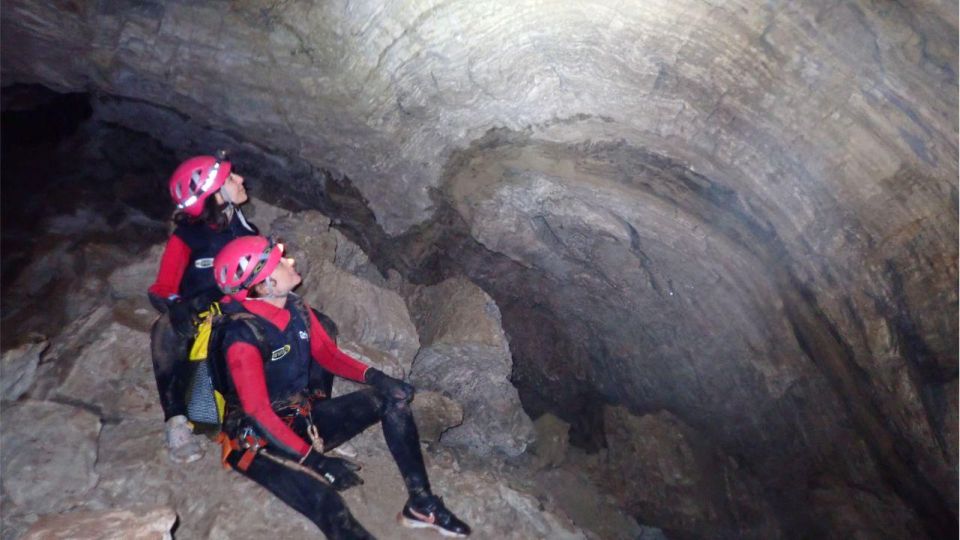
What really makes it worth your time is the cave’s scale and geology. You’re exploring a system with a provisional drop of 205 m and about 1,300 m of passages, shaped by millions of years of flowing water acting on gypsum. I also like the way they explain formation and formation-process details, so you understand what you’re seeing instead of just rushing past it.
The other big plus is the human side. Guides from the operation (with leadership associated to Jose Francisco Carbonell Oltra, and praised guide work including Jose and Omar) keep things friendly but serious about safety. If you’re not a strong swimmer or you’re uncomfortable with enclosed spaces, you’ll want to skip this one.
In This Review
- Key things to know before you go
- Valencia’s Sumidor Tunnel: what makes this aquatic cave special
- What you’re signing up for (and who should skip it)
- Pricing and value: what $57 covers in real terms
- Where you start: Paraje Las Ermitas Vallada and the pre-trip setup
- The 4-hour guided cave experience: tunnels, drop, and natural lake time
- The guide experience: why Jose, Omar, and the team matter
- What to bring (and what will save you on the day)
- Safety, risk, and the reality of unstable cave materials
- What’s included vs. what you’ll handle yourself
- Should you book Aquatic Caving in Sumidero de Vallada?
- FAQ
- How long is the aquatic caving experience?
- What’s the meeting point for this tour?
- Is food and drink included?
- What gear is provided, and what should I bring?
- Who is this not suitable for?
- What languages are the guides?
Key things to know before you go
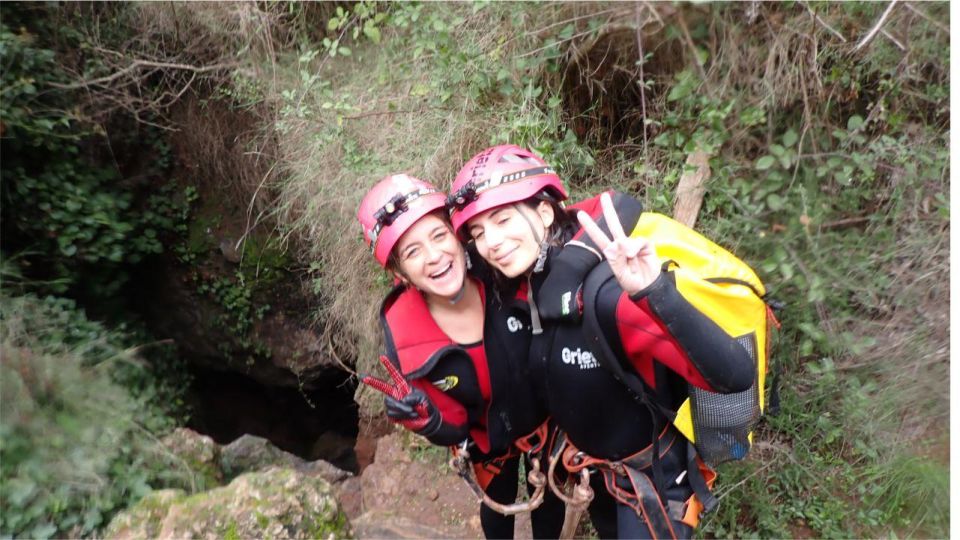
- One of the deepest aquatic gypsum caves: around a 205 m drop and about 1,300 m of tunnel length.
- Permanent water flow inside: expect to move through wet cave conditions with the right setup.
- Unstable plaster/gypsum risk: the route matters, so you follow a guide.
- Natural lake swim inside the cave: the water component is part of the attraction.
- Helmet and harness gear included so you aren’t piecing your own kit together.
- Photo report included to help you remember the part you may be too busy to notice.
Valencia’s Sumidor Tunnel: what makes this aquatic cave special
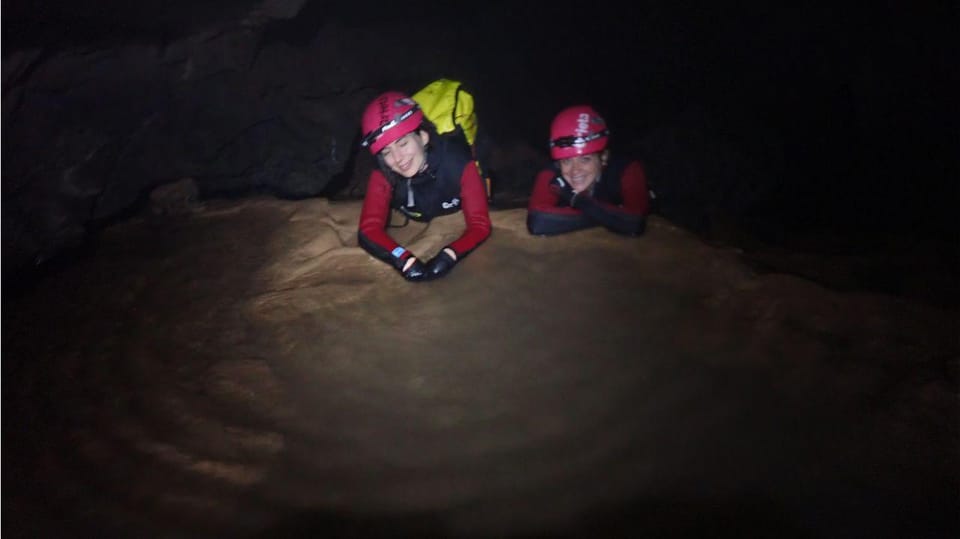
This is not a dry cave tour where you mostly walk and point. The Sumidor Tunnel is a true aquatic cave experience, meaning water shapes what you do and what you see. The constant flow is part of the setting, and it’s why the cave feels powerful even before you reach the “swim” moments.
The numbers alone help you picture the scope. The system has a provisional drop of 205 m and is roughly 1,300 m long, and it’s recognized as the deepest gypsum cavity in the world. In plain terms: you’re going somewhere that feels vertical and “long,” not just a short walk-in cavern.
There’s also a sense of learning built in. The experience is designed around observing the formation process of the cavities and their singular elements, which makes the geology part more than trivia. You’ll likely connect the look of the rock and water movement with why this cave formed the way it did.
Finally, it’s tied to place. The tunnel sits at the base of the Barranco del Penyó and is part of the Vallada National Heritage area, which adds weight to the experience. You’re not just doing a sports activity; you’re entering a protected natural feature that has taken a very long time to become what it is today.
You can also read our reviews of more tours and experiences in Valencia.



What you’re signing up for (and who should skip it)
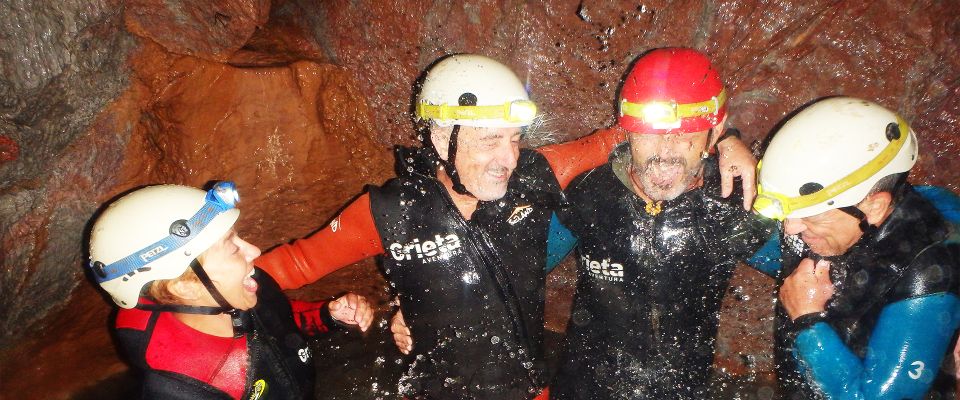
Aquatic caving is about managing discomfort and risk in a controlled way. That’s the good news: you’re not doing it alone, and you’re given specific equipment. The tradeoff is that your body and head need to cooperate with water, effort, and enclosed space.
This tour is not suitable for:
- Children under 10
- Pregnant women
- People with mobility impairments
- People with claustrophobia
- Non-swimmers
That list matters because it hints at the real conditions inside the cave. The swim isn’t a decorative splash. And the cave environment can feel confining, even if the guides keep you moving steadily.
Also, expect that you’ll be working physically for a few hours. You’re in water and you’re navigating cave terrain with gear. If you’re the type who likes to stay dry, this probably won’t feel like your kind of adventure.
If you’re a comfortable swimmer and you can handle “tight + wet + slippery” conditions with a calm mindset, you’re exactly the target audience. If not, choose a different Valencia experience that keeps the magic without the stress.
Pricing and value: what $57 covers in real terms
At $57 per person, this is priced like an activity with real overhead: trained guides, specialty safety gear, and insurance coverage. You’re not just buying a ticket to a viewpoint. You’re paying for a professional team to manage route knowledge, safety choices, and the technical parts of getting you into and through an aquatic cave environment.
Here’s what you do get:
- Qualified guides
- Specific material (helmet, harness, and related gear)
- Company CR insurance plus accident insurance
- Photo report
That list is the core of the value. The gear and insurance are often the parts that people underestimate when they compare prices to simple tours. And the photo report is a practical perk: cave conditions can be visually stunning, but you may not have the hands or focus to capture it well.
What’s not included: food and drinks. So plan a real meal before or after. If you eat late, you might feel more drained than you expected after 5 hours of moving in water and working your way through cave sections.
Where you start: Paraje Las Ermitas Vallada and the pre-trip setup
You meet your guide at the parking of the hermitages in Vallada, at Paraje Las Ermitas Vallada. That’s your launch pad, and it’s also where the experience becomes real. This is where you’ll get matched up with the correct equipment sizes.
They ask for booking details like full name and ID, plus your mobile phone and email, and they request height and weight to prepare equipment. That’s a small detail, but it’s a big deal in caving. Proper harness fit and sizing affects comfort and safety, especially when you’re moving in water.
The tour language options are English and Spanish, and there’s a live guide, which matters because safety instructions in a cave environment can’t be learned from a quick sign or a group chat.
The total activity runs about 5 hours. Starting times depend on availability, so check the schedule before you build a day around it. If you have a tight itinerary, pick the first or middle slot so you’re not rushing to dinner or your next connection.
The 4-hour guided cave experience: tunnels, drop, and natural lake time
Once the safety briefing starts, the day shifts from outdoors to underground reality. The experience includes a guided tour plus safety briefing for about 4 hours. During that window, you’ll explore the Sumidor Tunnel and move through sections shaped by water action over millions of years.
This cave is described as having a provisional drop of 205 m, and that tells you the route is not just horizontal strolling. Expect changes in level and a sense of descending as you go. That’s part of why the “tunnel” feeling is stronger here than in many casual caves.
Water is constant in the cave environment due to a permanent stream. Practically, that means:
- You’ll be dealing with wet surfaces and gear that stays functional in water
- Your movement technique matters (and your guide will help you with route timing)
- Your footwear choice is important, which is why water shoes are in the bring list
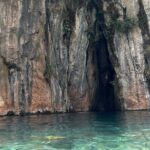
The highlight is not only seeing the cave but experiencing it. The tour is built around letting you swim in natural lakes inside the caves. Those lake moments are where the “aquatic” in the name stops being marketing and becomes the main event.
Also, the cave materials can be unstable. The description notes risk because gypsum/plaster materials are quite unstable. Your best protection is the fact that you’re guided. That’s why they emphasize knowing the route and using suitable equipment. A good guide is essentially your navigation system plus your safety translator.
And while you’re moving, the geology education is part of the experience. You’ll observe and learn about how cavities form and about singular elements within the cave system. It makes the underground feel less mysterious and more understandable.


The guide experience: why Jose, Omar, and the team matter
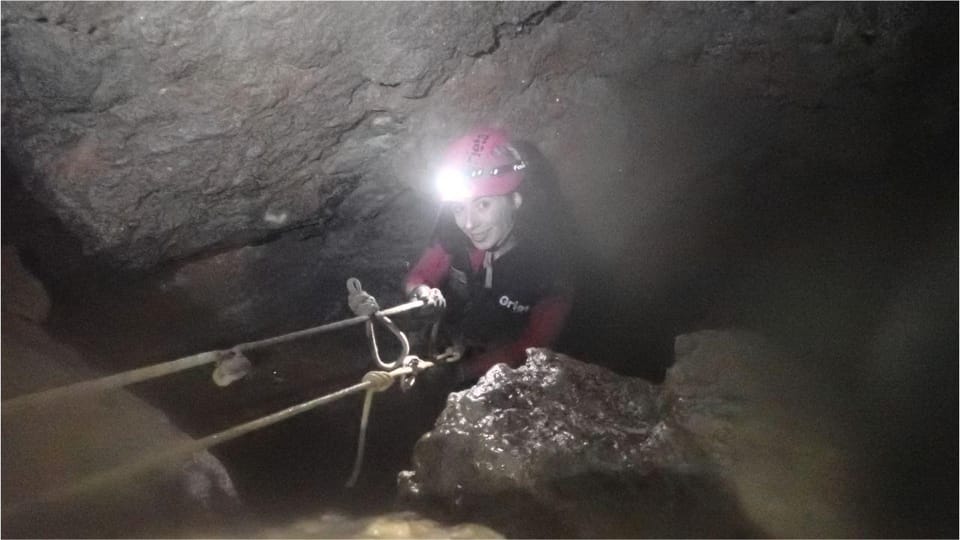
In aquatic caving, the best equipment in the world doesn’t replace route judgment. The terrain and materials can be unpredictable, and water adds another layer of challenge. That’s why the guides are a core selling point here, not a nice-to-have.
I’d pay attention to the human element because the reviews you’ve got around this activity strongly highlight friendly, professional customer service and guide enthusiasm. Guides associated with Jose and Omar are mentioned directly, and they’re praised for making the experience both safe and fun.
That balance is exactly what you want: serious enough to handle unstable surfaces and a cave route, but upbeat enough that you don’t freeze up when you hit wet, enclosed sections. The day is easier when you can trust the person leading you.
Also, one review notes that when there was a cancellation, a private tour was made possible. That suggests the team pays attention to how to deliver the experience when group circumstances change. Even if you can’t assume that will happen, it’s a good sign that they aim to protect your time and not just shrug and refund.
What to bring (and what will save you on the day)
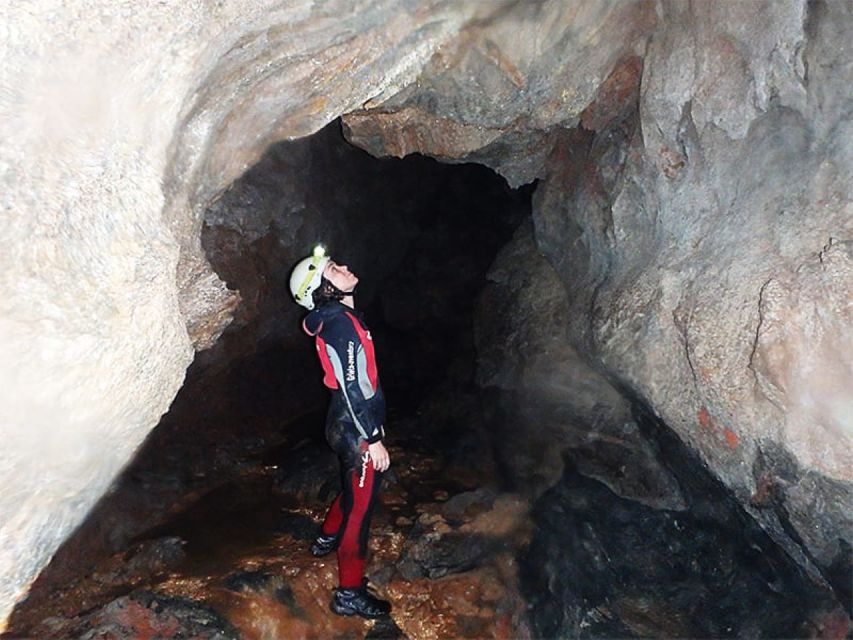
This tour is gear-forward, but you still need to show up ready to handle water and quick changes.
Bring:
- Swimwear
- Change of clothes
- Towel
- Water shoes
That lineup covers the practical reality: you’ll get wet, you’ll likely want to warm back up afterward, and your feet need grip that works in cave conditions. Skipping water shoes can make the day feel harder than it needs to be, especially when surfaces are slippery and you’re wearing gear like harnesses and helmets.
If you wear glasses or contact lenses, you might find it smart to plan how you’ll handle water. The tour data doesn’t specify anything here, so follow your own comfort level, but you should consider eye comfort in wet, moving environments.
Also plan for no food and drinks. Even if the tour isn’t long at the level of hiking, you’ll burn energy. Eat beforehand, and bring snacks only if your tour rules allow them (the provided information doesn’t mention bringing food, so don’t assume).
Safety, risk, and the reality of unstable cave materials
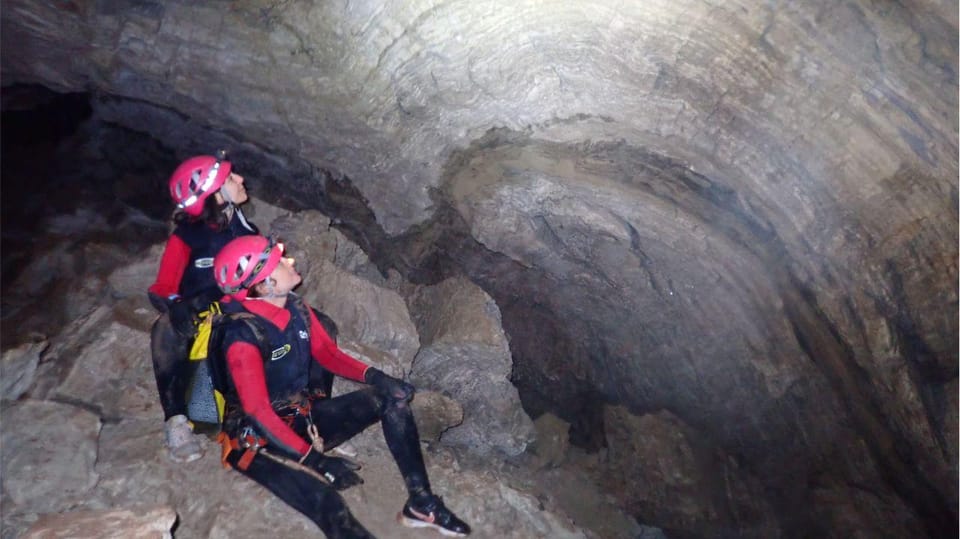
Let’s talk straight about the risk part. The cave description flags that plaster materials are unstable. That means this is not a “wandering in” type of cave. It’s a structured activity where your guide’s route knowledge is part of the safety system.
There’s also a permanent stream of water. Water changes how you move, and it changes how you stay balanced. That’s why specific gear is included: helmet and harness are there for a reason, and the company provides them so you aren’t improvising.
Insurance is part of the package too: company CR insurance and accident insurance are included. That doesn’t remove the need for safe behavior, but it tells you the operator treats this as a serious sports activity, not a casual outing.
Finally, the “not suitable” list is your best guide to who shouldn’t take the risk. If you’re claustrophobic or not able to swim, you should not push it. In a cave with enclosed sections and cave-lake swims, your stress level can quickly become the problem.
What’s included vs. what you’ll handle yourself
To keep your planning easy, here’s the practical split:
Included:
- Qualified guides
- Specific safety material like helmet and harness
- CR insurance and accident insurance
- Photo report
Not included:
- Food and drinks
You handle:
- Swimwear
- A change of clothes
- Towel
- Water shoes
- Being ready to provide booking info like name, ID, and your height/weight for equipment fit
- Your energy needs with food timing (since food isn’t included)
That photo report is a sneaky value add. Cave adventures can be physically demanding, and you might not have the mental space to document everything. Getting images back is a nice way to remember the tunnels and those natural lake moments without trying to manage a camera while you’re focusing on safe movement.
Should you book Aquatic Caving in Sumidero de Vallada?
Book it if:
- You’re a confident swimmer
- You want a real aquatic cave experience, including a natural lake swim
- You like learning in context, not just watching from the sidelines
- You value professional guidance, not DIY adventure
Skip it if:
- You’re not comfortable with confined spaces (claustrophobia)
- You can’t swim
- You have mobility limitations
- You’re pregnant
- You’re looking for a dry, easy, low-effort tour
If you’re on the fence, I’d treat the $57 price as reasonable for what’s included: trained guides, helmets and harnesses, and insurance. The best part is the combination: serious caving in a world-class aquatic gypsum setting, with a team that aims to keep it both safe and genuinely fun.
If that matches your travel style, you’ll likely come away with a story you can’t get from a normal museum stop in Valencia.
FAQ
How long is the aquatic caving experience?
The total duration is about 5 hours. The guided tour and safety briefing portion is listed as 4 hours, with starting times depending on availability.
What’s the meeting point for this tour?
Meet your guide at the parking of the hermitages in Vallada, at Paraje Las Ermitas Vallada. The tour ends back at this same meeting point.
Is food and drink included?
No. Food and drinks are not included, so plan to eat before or after your activity.
What gear is provided, and what should I bring?
The tour includes specific equipment for the activity, such as a helmet and harness. You should bring swimwear, a change of clothes, a towel, and water shoes.
Who is this not suitable for?
It’s not suitable for children under 10, pregnant women, people with mobility impairments, people with claustrophobia, and non-swimmers.
What languages are the guides?
The live tour guide is available in English and Spanish.