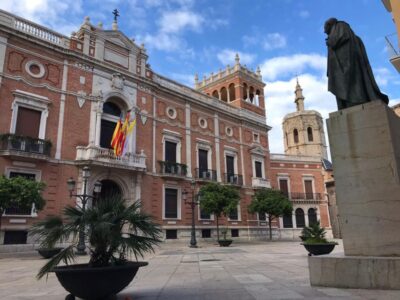
REVIEW · HOP-ON HOP-OFF BUS TOURS
Valencia: 24 or 48-Hour Hop-on Hop-off Bus Ticket
Book on GetYourGuide →Operated by VIAJES TRANSVIA TOURS, S.L. · Bookable on GetYourGuide
One bus. Seventeen stops. Zero stress about transit. A Valencia hop-on hop-off bus ticket is one of the easiest ways to map the city fast, especially if it’s your first visit and you want to see both the old and the futuristic parts without planning each ride.
What I like most is the freedom: you can hop on, hop off, and pace the day around your energy. The route is designed to connect big-name highlights across Valencia, from the Ciudad de las Artes y las Ciencias area to the port and beyond.
Second big win: the audio guide is built in and offered in many languages, so you can follow along with the story of what you’re seeing. One possible drawback to plan for is that audio clarity can vary by seat, and if the bus is busy you might want to choose where you sit to hear it well.
In This Review
- Key Things to Know Before You Ride
- The Smart Way to Start Valencia: 24 vs 48 Hours
- Route Strategy: How I’d Plan the Day (Without Overthinking)
- Audio Guide and Languages: What You’re Paying For Beyond Transportation
- Price and Value: What $31 Buys You (And What It Doesn’t)
- The 17 Stops That Shape Your Valencia Itinerary
- Starting point: C. del Pintor Sorolla (Before Poeta Querol)
- Plaza de Toros de Valencia
- Museo Fallero
- Ciudad Artes y Ciencias
- Oceanogràfic
- C.C. Aqua Multiespacio
- Veles e Vents
- Hotel Balneari Les Arenes
- Port of Valencia
- Av. de les Balears, 1
- Museu Històric Militar
- Museu de Belles Arts de València
- Nuevo Centro
- Dama Ibèrica
- Bioparc Valencia
- Museu de la Història de València
- Institut Valencià d’Art Modern (IVAM)
- Return to Pintor Sorolla (End point)
- What the Experience Feels Like on the Ground
- Common Friction Points to Watch (So You’re Not Surprised)
- Who Should Book This Bus Ticket
- Should You Book the Valencia Hop-on Hop-off Bus?
Key Things to Know Before You Ride

- 17 stops you can use without restrictions makes it easy to build your own mini-itinerary.
- 24- or 48-hour validity helps you decide between a quick orientation day or a slower second round.
- Audio guide in many languages means you’re not stuck reading signs while you’re walking.
- Ports, beaches, and big museums are on the same loop so you’re not bouncing between far-apart areas.
- Admissions are not included, so you’ll still need to pick which stops are worth ticket entry.
The Smart Way to Start Valencia: 24 vs 48 Hours
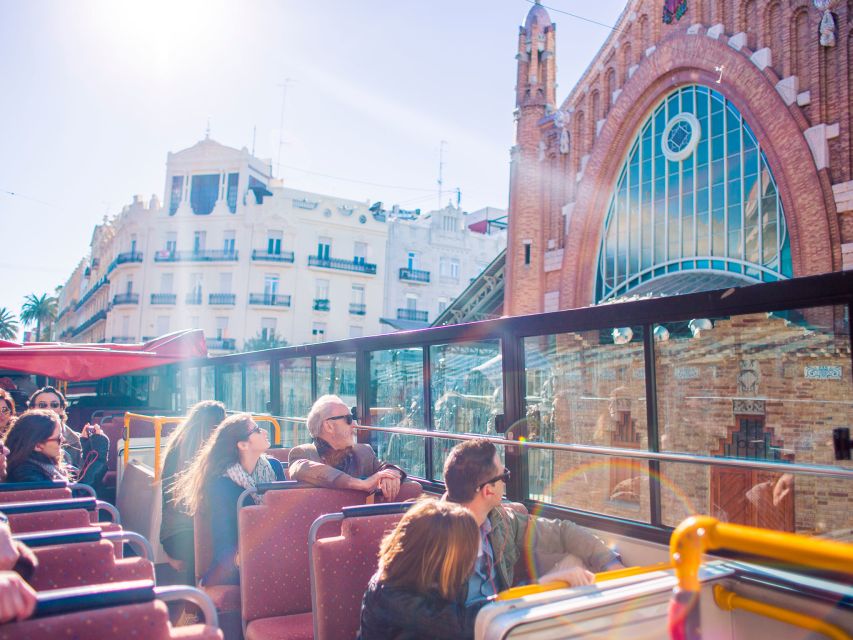
If Valencia is new to you, this is the kind of ticket that helps you stop guessing. A loop route like this lets you get the “where is everything” answer before you spend time and money figuring out transport on your own.
A 24-hour ticket is perfect when you want a solid overview and a couple of targeted off-bus visits. Think: you board early, do the full circuit once, then return to any stop that caught your eye. It’s also a good choice if you’re mixing Valencia with another destination and just need time-efficient sightseeing.
The 48-hour ticket is where the value really flexes. You can do one full ride for orientation, then spend the second day focusing on neighborhoods and sights you actually care about. The big benefit: you’re not racing. You can get off for a museum, walk the area at a relaxed pace, eat nearby, and still make it back to the bus without stress.
You can also read our reviews of more tours and experiences in Valencia



Route Strategy: How I’d Plan the Day (Without Overthinking)

The tour runs like a loop with 17 hop-on hop-off stops. Your job is to ride it like a tool, not a chore.
Here’s the simple approach that works well:
- Ride the loop once early to get your bearings.
- While you’re on the bus, decide which stops you want to explore properly on foot.
- On the second pass, build your day around those stops, not around the schedule in your head.
One practical tip: if you want to hear the audio clearly, pick a spot that’s not fighting for sound against engine noise and city traffic. People using seat-by-seat audio systems can sometimes notice differences, so don’t be afraid to move if the front or mid sections feel clearer once you’re onboard.
Audio Guide and Languages: What You’re Paying For Beyond Transportation
This ticket includes an audio guide plus bus entry. The guide is available in English, French, German, Spanish, Italian, Chinese, Portuguese, Japanese, Valencian, and Russian, which is a big deal if you’re traveling with someone who prefers a different language than yours.
You’ll be hearing commentary tied to the route’s key sights. That matters because Valencia isn’t just one “type” of attraction. You’ll go from architecture and design to science and aquariums to art and history. Without audio, you’d still see the buildings—but audio helps you understand why each place is there and what you should notice when you’re standing still.
Price and Value: What $31 Buys You (And What It Doesn’t)
At around $31 per person, this is built to be a value-first sightseeing option. The ticket covers the bus ride and the audio guide, plus insurance. It does not include admissions for the attractions, so you’ll still need to decide which stops are worth paying to enter.
Here’s how to judge the value for your trip:
- If you’d otherwise rely on taxis or multiple separate tickets to cross the city, this can feel like a bargain quickly.
- If you only want one or two stops and you’re staying close to them, you might question whether a hop-on hop-off loop is the best use of time.
- If you want flexibility—like seeing the port area one day and the museums the next—you’re in the sweet spot.
For me, the best value comes from using the bus for what it’s best at: connecting distant areas so you can spend your walking time where you actually want to linger.
The 17 Stops That Shape Your Valencia Itinerary
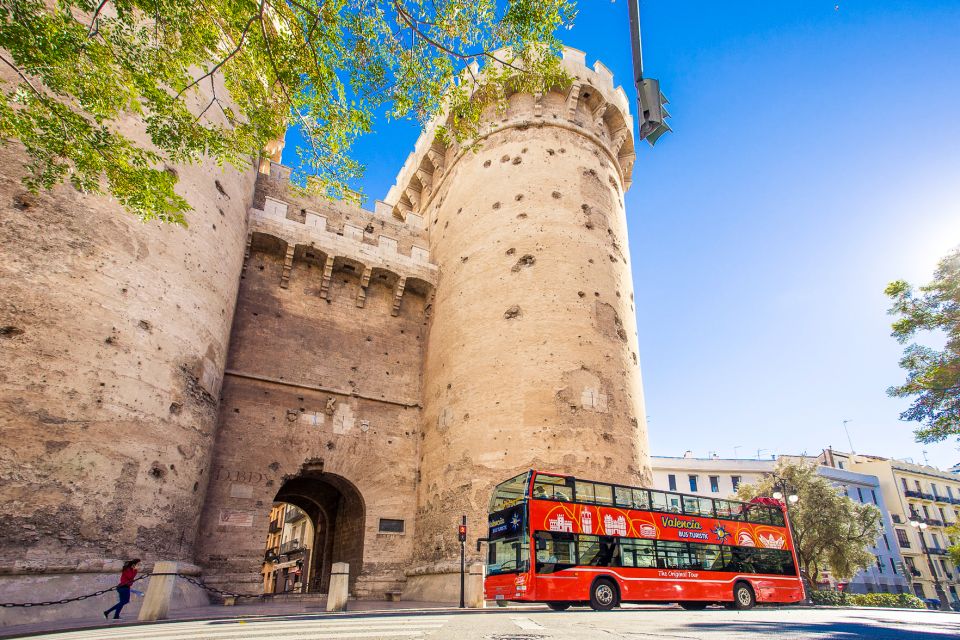
Below is how I’d think about each stop. Some are best as a quick look from the bus; others are “get off and spend time” moments.



Starting point: C. del Pintor Sorolla (Before Poeta Querol)
You begin near C. del Pintor Sorolla, at the area before Poeta Querol. This is your launchpad for the whole loop, so it’s worth arriving with a little time buffer. Once you’re on, the tour quickly becomes a rolling orientation map of the city.
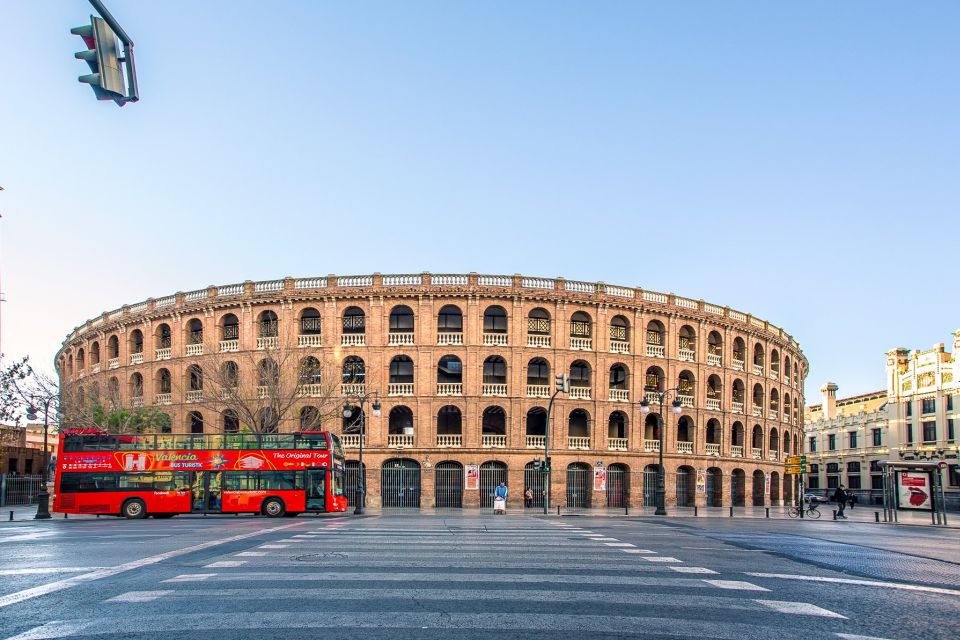
Plaza de Toros de Valencia
This is the bullring zone, and it’s a good early stop for orientation because it sits in a part of the city that helps you visualize how Valencia’s neighborhoods connect. Even if you don’t plan to enter, you’ll see how the tour threads through different city textures.
Possible consideration: if you’re sensitive to waiting for buses during peak times, try not to treat the first stop like a guaranteed instant boarding moment.
Museo Fallero
If you’re visiting outside Fallas season, this museum still gives you the context for one of Valencia’s most distinctive traditions. On a bus loop, museums can be easy to skip. Don’t—because this one helps explain the symbolism behind the city’s public art and festival culture.
Ciudad Artes y Ciencias
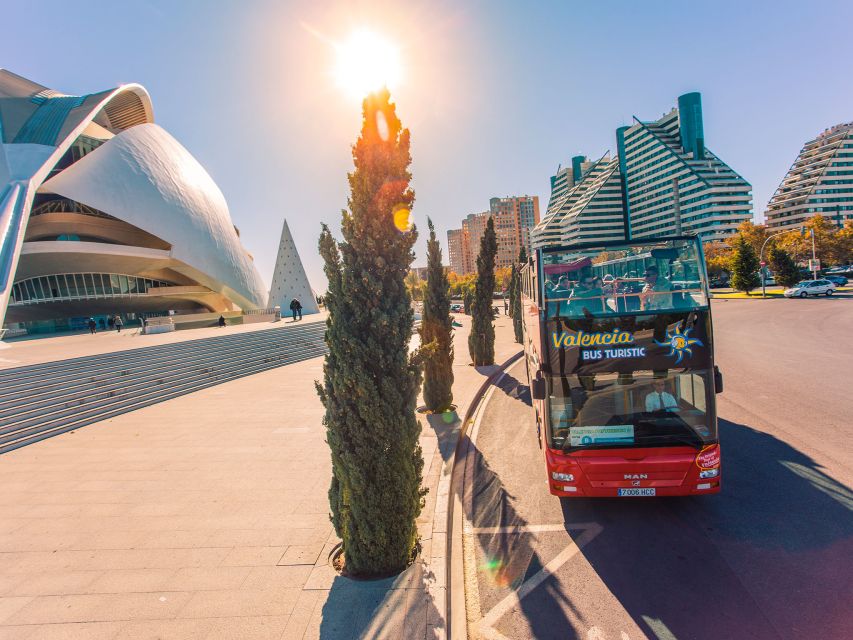
This is where Valencia starts to look like a sci-fi postcard. The City of Arts and Sciences area is one of the route anchors for a reason: it’s a visual reset from street-level Valencia. Even a short stop gives you a chance to appreciate the scale and design language.
Drawback to keep in mind: because it’s popular, it can take longer to walk around than you expect. Build in time if you want photos and a casual stroll.
Oceanogràfic
If you like marine life, this is one of the headline stops. The aquarium complex is part of why many people choose a Valencia hop-on hop-off bus ticket in the first place: it’s not a “guess what it is” attraction. It’s instantly recognizable, and the bus makes it easy to reach.
C.C. Aqua Multiespacio
This stop is useful as a practical break point. It can help if you need food, a rest, or a change of pace between bigger sights. It’s also a reminder that the route covers more than just monuments—it touches the city’s everyday life.
Veles e Vents
This is a good “walk it off” kind of stop. The name connects you to Valencia’s maritime energy, and the area works well for a casual break while you’re still on the loop.
Hotel Balneari Les Arenes
This stop pairs naturally with the idea of Valencia’s coast-side atmosphere. Even if you don’t go into the venue itself, it’s a handy waypoint for people who want the bus to bring them closer to the sea.
Port of Valencia
The port area is a smart off-bus choice if you want a different side of the city than the museum-and-architecture focus. It’s also a place where you can time your sightseeing around views, photos, and walking.
Practical consideration: the port can feel like it has its own rhythm. If you hop off here, plan for a bit more roaming so you don’t feel rushed before catching the next bus.
Av. de les Balears, 1
This stop is another coast-and-port-adjacent connector. It’s useful if you’re trying to stitch together a beachy day without getting stuck far from the bus loop.
Museu Històric Militar
This one adds depth beyond the obvious tourist icons. If you like history that’s specific and local, this is a great change of pace from the futuristic sights and major art zones.
Museu de Belles Arts de València
This is for art lovers who want something more than a quick photo. A museum visit pairs well with a hop-on hop-off pass because you’re not stuck committing to a strict schedule. You can get off here, spend time, then come back later.
Nuevo Centro
This is another practical stop that’s helpful for downtime. When your feet need a breather, a shopping and city-services area can turn the bus loop into a more comfortable experience.
Dama Ibèrica
This stop centers on a specific cultural artwork/figure. It’s the kind of stop you might treat as a quick viewing moment—or a short visit—depending on your interests. Either way, it adds variety to the route.
Bioparc Valencia
This is a strong stop if you want a living-nature experience. A zoo-style setting can work well on a hop-on hop-off day because it’s easy to allocate time. If you’re traveling with kids or you just like wildlife, this can be the highlight day-maker.
Museu de la Història de València
This is a history anchor. Pairing this museum with the military museum stop gives you a broader sense of how the city’s identity has formed. Museums like this also make the city feel less like a list of landmarks and more like a place with a narrative.
Institut Valencià d’Art Modern (IVAM)
Modern art fans should take advantage of this stop. IVAM is a clear “get off and spend time” option because modern art takes attention. The bus makes it easy to fit a museum stop into a wider Valencia day without doing transport math.
Return to Pintor Sorolla (End point)
You loop back to C. del Pintor Sorolla at the end. That matters because it keeps your logistics simple: you’re not left stranded across town after a museum or a late coffee.
What the Experience Feels Like on the Ground
The practical feel of a hop-on hop-off bus is exactly what it promises: you get to make choices in real time. When something looks interesting from the window, you can get off later for a closer look. When something doesn’t fit your mood, you can just stay on and enjoy the views rolling by.
I also like how the route covers a spread of interests:
- science and big architecture,
- sea and port energy,
- museums for context,
- nature/wildlife at Bioparc,
- art with IVAM and other museum stops.
That mix is why people often use a 48-hour ticket to do a first full pass, then refine their second day.
Common Friction Points to Watch (So You’re Not Surprised)
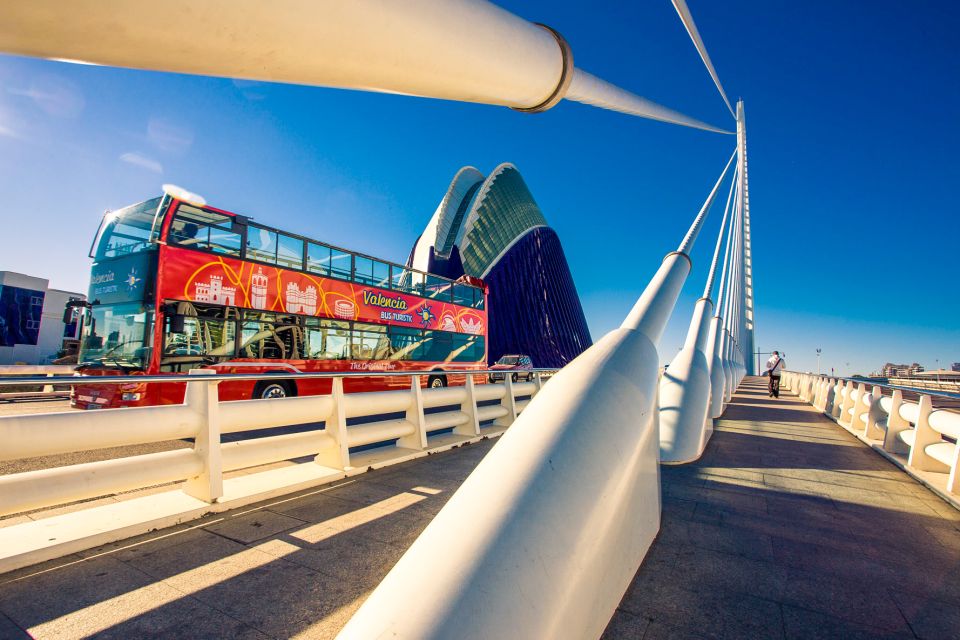
Even good bus tours can have annoyances. Here’s what you should plan for, based on the reality of how these vehicles and stop setups work.
Audio can be inconsistent by seat
Because the audio is tied to individual headsets or listening devices, clarity can vary depending on where you’re sitting and how loud the bus is. If you care about hearing every detail, sit where the sound feels easiest, not where you just grabbed the nearest empty seat.
First-stop navigation can take a minute
The meeting point is near Pintor Sorolla, before Poeta Querol. If you’re arriving on foot, it can help to arrive a few minutes early so you’re not trying to locate the exact spot while everyone else is boarding.
Buses can feel busy
When buses are full, it can take longer to board. You’ll do better if you treat it like a city commute, not a quiet museum shuttle.
Who Should Book This Bus Ticket
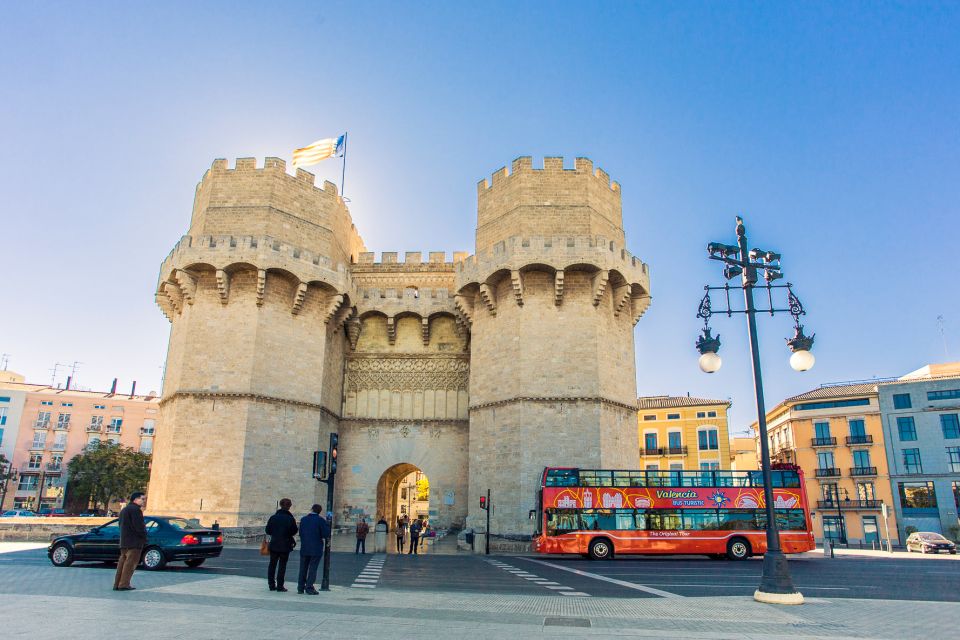
This ticket is a great fit if:
- you’re short on time and want a reliable city overview,
- you prefer flexible sightseeing over fixed guided hours,
- you like mixing major highlights with museums and neighborhoods,
- you want an easy way to reach far-apart areas in one day.
It’s less ideal if:
- you only want one tight cluster of attractions very close to your hotel,
- you’re determined to see every single attraction and every museum entry matters more than flexibility,
- you hate bus rides and would rather do everything on foot or by metro.
Should You Book the Valencia Hop-on Hop-off Bus?
Yes, I’d book it if you want an efficient first pass through Valencia. The 24/48-hour flexibility, the multi-language audio guide, and the 17-stop coverage across big, recognizable areas make it a practical way to plan a sightseeing itinerary that doesn’t fall apart when your plans change.
Book the 24-hour option if you’re confident you’ll focus on a few key stops. Choose 48 hours if you like breathing room and want to revisit what you enjoyed—or switch plans after you see the city from the bus route.
If you’re the kind of traveler who likes options, this ticket turns Valencia into something you can explore on your terms, one stop at a time.