REVIEW · BIKE & E-BIKE TOURS
Valencia: Horchata Bike Tour
Book on GetYourGuide →Operated by Bikealao Bike Rental and Tours · Bookable on GetYourGuide
Pedal past Valencia’s horchata fields. This tour pairs quiet canal-side views with the payoff of stopping for authentic horchata made from tiger nut. I also like that you’re on a real bike route through the huerta del norte, not just a quick scenic loop.
You get a guided ride designed for an easy rhythm: 22 km, mostly flat, with time to look around. My only real caution is that one booking felt the horchata/field promise didn’t land as expected, so go in knowing the tour should include both and ask if anything looks unclear at the start.
In This Review
- Key Things I’d Focus On Before You Book
- Where the Horchata Bike Tour Starts (and Why That Matters)
- Coastline Out of the City: From Landmarks to Sea Breezes
- Alboraya and the Canal Run: Flora, Birds, and a Real Working Waterway
- Huerta del Norte Farmland: Seasonal Crops and the Green Belt Breeze
- Country Village Ceramics: Colorful Stops That Break Up the Ride
- Port Saplaya Horchata Break: Tiger-Nut Drink by the Sea
- The 3-Hour Plan and the Effort Level You Should Expect
- Price and Value: Why $47 Can Actually Be a Good Deal Here
- Who This Tour Fits Best (and Who Should Skip It)
- Should You Book the Valencia Horchata Bike Tour?
- FAQ
- How long is the Valencia Horchata Bike Tour?
- About how far do you ride?
- Where is the meeting point?
- What’s included in the price?
- What languages does the guide speak?
- Is this a small group tour?
- What is horchata made from on this tour?
- Is the horchata gluten-free and suitable for vegan diets?
- Is the tour suitable for people with mobility impairments?
- What are the rules around cancellation and intoxication?
Key Things I’d Focus On Before You Book
- Mostly-flat 22 km means you can enjoy the scenery without constantly pushing hard.
- Horchata from tiger nut (chufa) is the point, and it’s tied specifically to Valencia’s northern farmlands.
- Canals, river flora, and farmland air make this more than a beach ride.
- A small group (up to 14) keeps the guide’s attention where it matters.
- Port Saplaya horchata stop ties countryside flavor to a seaside setting.
- Bike, helmet, and lock included so you travel lighter.
Where the Horchata Bike Tour Starts (and Why That Matters)
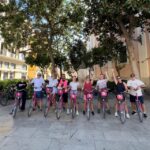
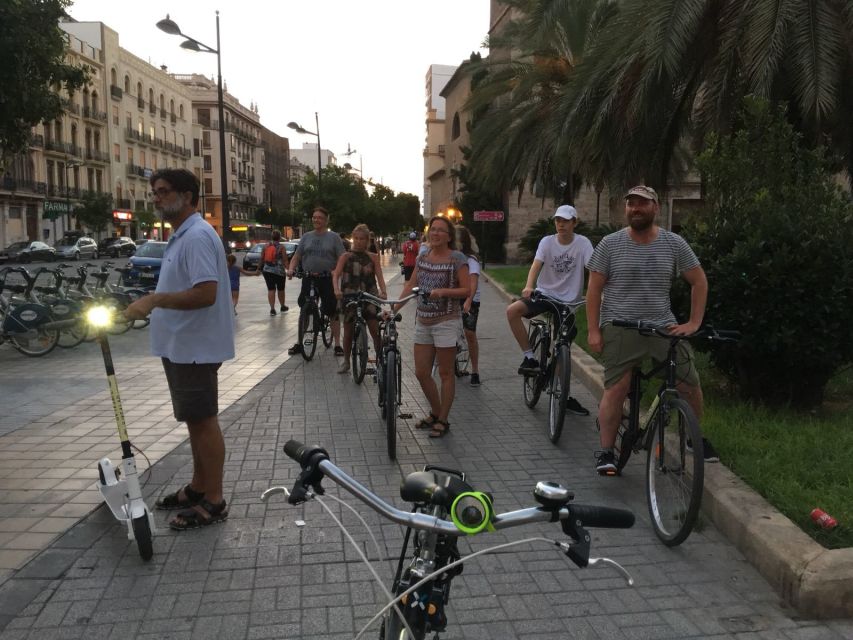
Your ride begins at BikeAlao Maritim, a bike rental shop near Valencia’s port, at Calle Abastos 5 (46011). Meeting near the harbor is practical. You’re already in the right part of the city to hop from urban streets onto the coastal route and start building momentum early.
Once you arrive, the staff help you choose a bike that fits your comfort and ability. That matters more than people think, because this is a 3-hour ride that includes multiple transitions—city to coast, then to canals and farmland, then back again. If your bike size or gearing feels wrong, the whole day starts to feel harder.
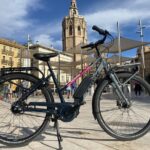
You’ll also get the key gear that makes the ride smooth: a helmet and a lock. The lock is useful because you’ll stop in places where you don’t want to carry your bike or worry about where to leave it.
The tour runs with a live guide speaking Spanish, English, and Italian, so you’re not stuck with a “follow the leader” script. With a group capped at 14, you get time for questions without feeling rushed.
You can also read our reviews of more cycling tours in Valencia
Coastline Out of the City: From Landmarks to Sea Breezes
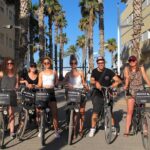
After meeting, you head toward the Mediterranean coastline. You’ll pass by important landmarks while your guide points out what you’re seeing, which is a big part of why biking works better than hopping on and off buses. At biking speed, you notice details—turns in the terrain, where the water meets the land, and the shift in architecture as the city thins out.
As you leave Valencia, the route takes you toward Alboraya, a transition zone where the scenery starts changing from streets and buildings to waterways and farmland edges. The guide’s explanations help you connect what you’re seeing to how this region actually works day to day.
One thing I like about a route like this is the pacing. The first stretch gives you a mental reset—fresh air, open sky, and enough movement to shake off the “arrive and stand around” feeling that hits many half-day activities.
If you’re the type who enjoys watching how places function, not just photographing them, this coastal-to-farmland switch is where the tour earns its keep.
Alboraya and the Canal Run: Flora, Birds, and a Real Working Waterway
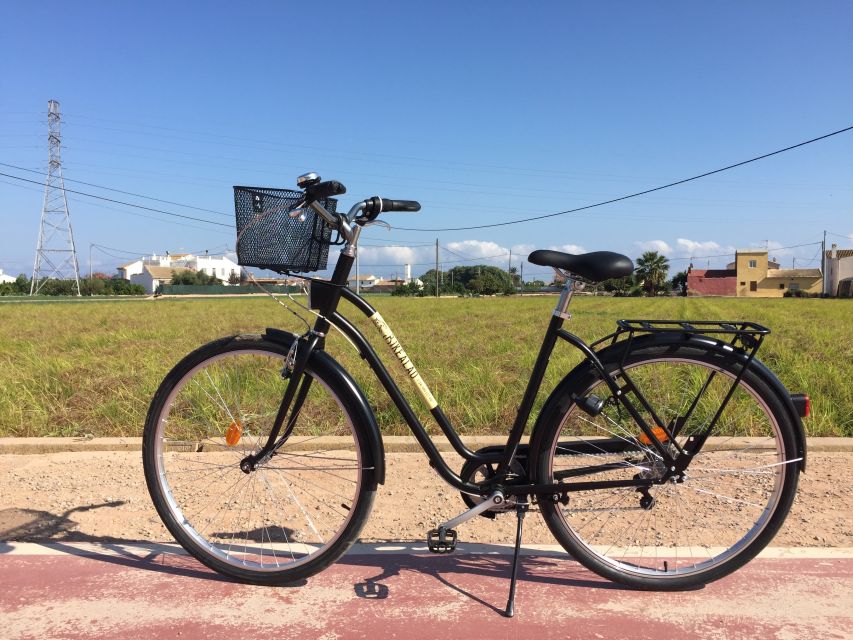
In Alboraya, the tour follows the canal toward the horchata fields. This is where the ride stops feeling like a standard scenic bike loop and starts feeling like a story about the food you’re about to drink.
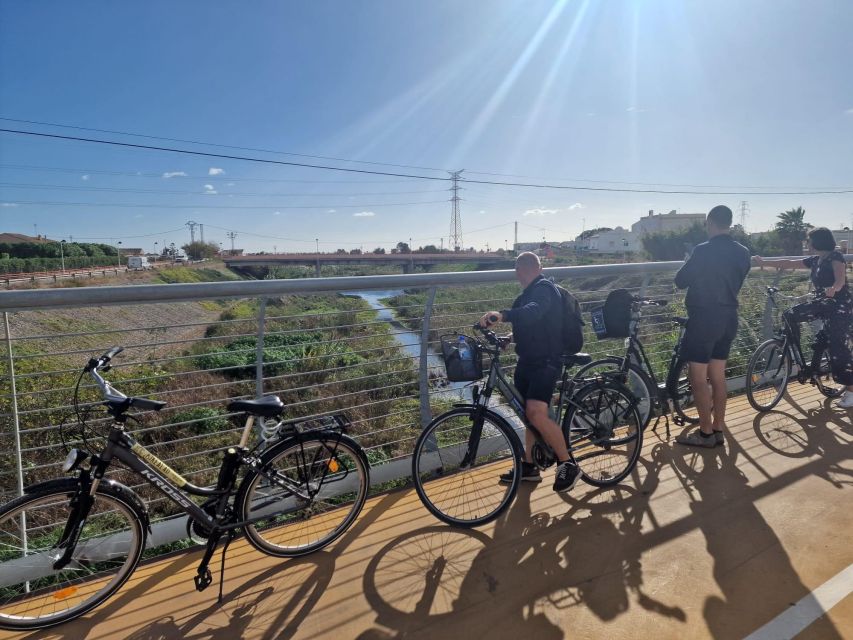
Along the river and canal areas, you’ll find an abundance of flora and fauna to look for. That’s a big deal for two reasons. First, it gives the ride variety besides “just pedaling.” Second, it reminds you that the farmland here depends on water management—so the drink’s ingredients aren’t some abstract foodie fact. They’re rooted in the land and the irrigation systems.
This canal stretch also acts like a gentle runway. It’s long enough for you to settle into a comfortable cadence, but still close enough to the coast that the air stays light.
The tour includes stops at points of interest, including a typical Valencian farmhouse. That kind of stop can feel brief on other tours, but here it’s placed to make sense: you’re already out of the city, already seeing farmland signals, so the farmhouse stop reads like part of the landscape rather than a random detour.
Huerta del Norte Farmland: Seasonal Crops and the Green Belt Breeze
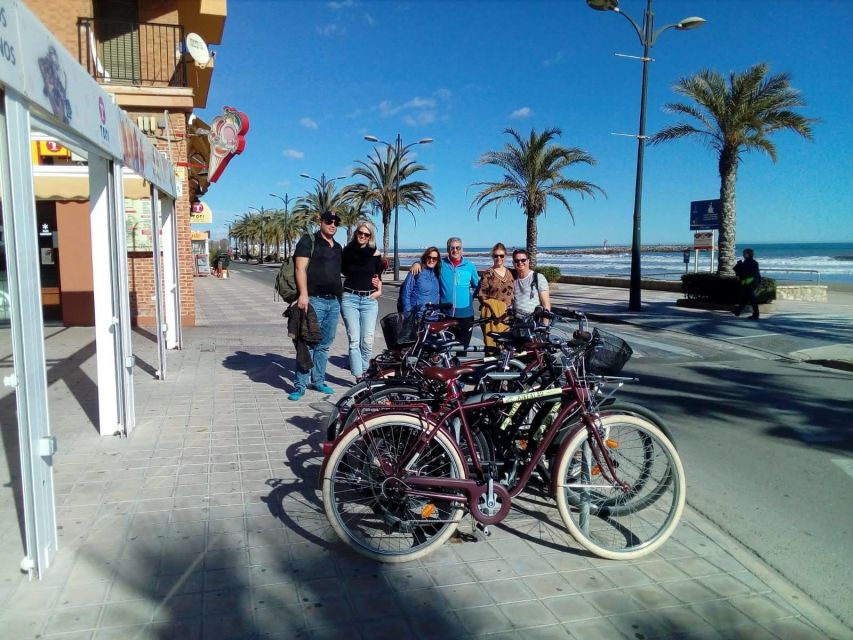
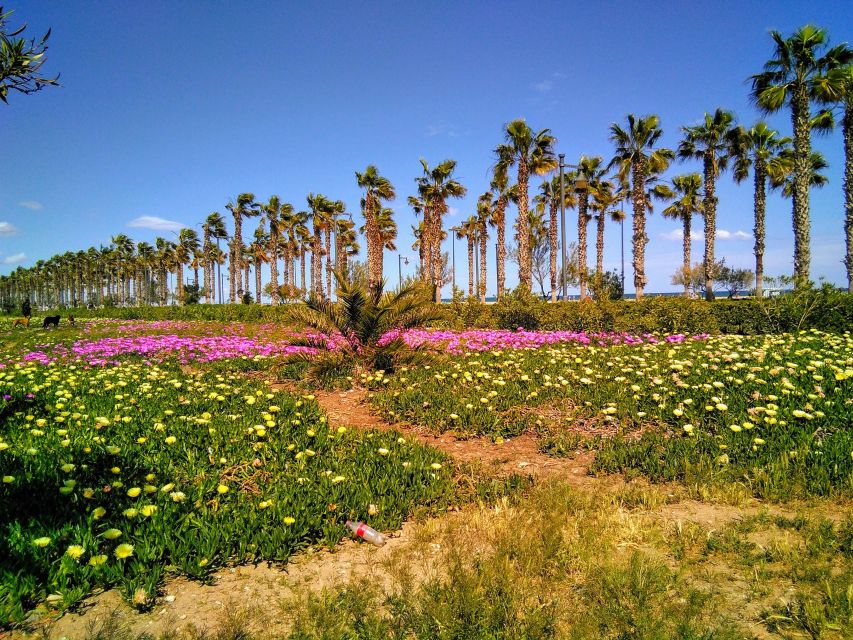
Once you reach the fields, the guide keeps your eyes pointed at what’s seasonal. You’ll see various crops growing across the huerta del norte, and the ride through the green belt comes with a refreshing breeze.
Even if you’re not a plant person, this portion is where you learn why horchata is so tied to Valencia. Horchata here isn’t just a drink on a menu. It’s connected to the cultivation of the tiger nut (chufa), grown in the northern farmlands of Valencia and nowhere else in Spain.
That regional specificity is what makes the tour feel more authentic than generic “drink a local beverage” experiences. You’re not only tasting something. You’re seeing where it comes from—at least in the broad, on-the-ground way you can during a short 3-hour ride.
This is also a good time to slow down mentally. If you’ve been stuck in museum mode all day, the farmland section gives your brain something simpler: space, air, and the sense of working countryside.
Country Village Ceramics: Colorful Stops That Break Up the Ride
As you keep biking, you reach a typical country village where local ceramics decorate the buildings. This is the part of the route that adds texture and character without turning the ride into a walking tour.
Ceramics in Mediterranean towns often act like a visual language—bright, patterned, and meant to be seen up close. On a bike, you catch those details at street level, which is hard to do from a distance.
Then you cross back through the farmland area, transitioning from village charm back to the road toward the seaside. That rhythm—field, village, field—makes the ride feel like it has chapters, not just one long straight line.





Port Saplaya Horchata Break: Tiger-Nut Drink by the Sea
Your horchata stop comes in the seaside town of Port Saplaya. This is a clever placement. You’re tasting the region’s signature drink after you’ve already spent time in its agricultural setting, so it lands with more meaning than if it happened at the start.
Horchata is made from tiger nut, and it’s famous across Valencia. What I like here is the clarity of the ingredients story. The tour ties the drink to the local crop grown in Valencia’s north, and you get a complimentary portion along the way.
Dietary notes also matter if you plan ahead. Horchata on this tour is gluten free, vegan, and lactose free. If you’ve traveled with food limits before, you’ll appreciate that the drink’s profile is spelled out, not left to guesswork.
There’s also an enjoyment factor: you’re not stopping for a quick sip in an industrial setting. You’re taking a break in a seaside town, which turns the drink into a moment of payoff.
One practical tip: during your break, take a few minutes to look around before you rush back to the bike. Port Saplaya’s setting makes the pause feel like part of the experience, not just a refill station.
The 3-Hour Plan and the Effort Level You Should Expect
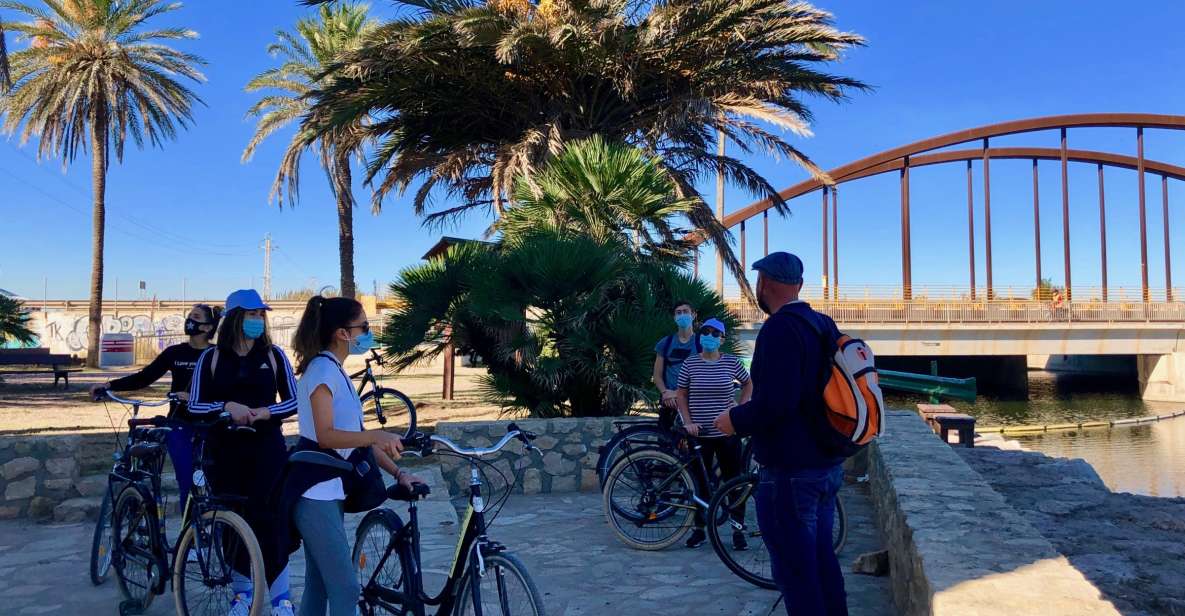
This tour is about 3 hours long and covers roughly 22 km. It’s largely flat, which makes it realistic for people who can ride a bike but don’t want to train for a hilly route.
The route design matters for family groups too. In one of the most positive reports you’ll hear from past participants, a family said the ride was very doable with kids. It’s not a guarantee, but it does suggest the pace and terrain are meant to stay friendly for a wider range of riders than steep, distance-heavy tours.
You’ll also benefit from small group size. With a cap of 14, the guide can keep things organized at stops. You’re less likely to feel like you’re racing to keep up, and you can ask questions without speaking over a crowd.
One note of caution: one booking mentioned disappointment around the horchata delivery and horchata-field experience. That doesn’t mean the tour never includes those elements—it means you should show up on time, ask the guide what the key stops are, and make sure you know when you’ll have your complimentary horchata.
Price and Value: Why $47 Can Actually Be a Good Deal Here
At around $47 per person for a 3-hour ride, the value comes from what’s included—not just the time on the bike.
You’re getting:
- a guided tour
- a complimentary horchata
- the bike
- a helmet
- a lock
For many people, the cost of renting a bike (and adding safety gear) plus the price of a local drink can quickly add up if you do it on your own. Here, the tour bundles the essentials into one ticket, and the guide’s route planning saves you the effort of figuring out a safe, cohesive way to reach coastline + farmland + a horchata stop.
The small group format also protects value. It’s not a giant herd moving at one speed, so the experience stays more personal—especially on the parts where you’ll want the guide’s explanations.
Who This Tour Fits Best (and Who Should Skip It)
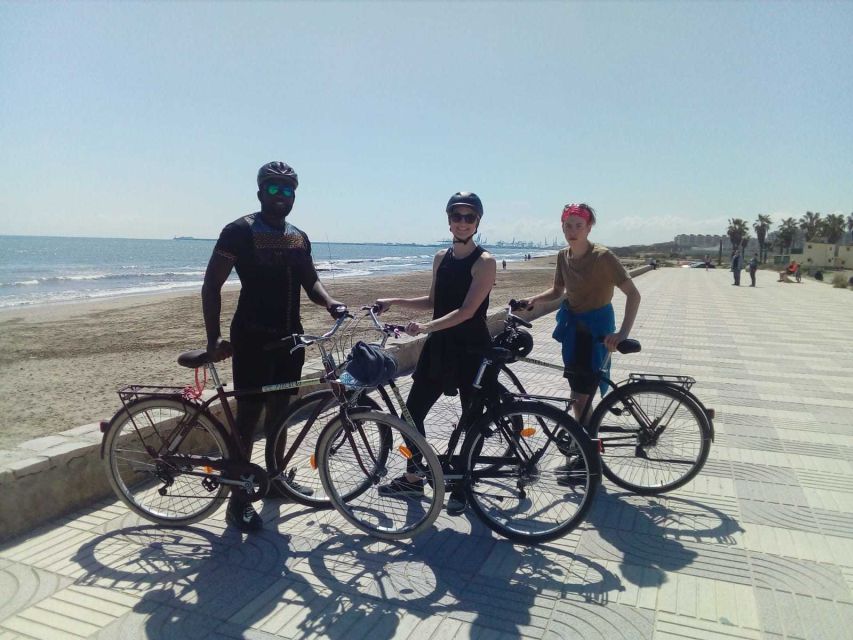
This is a strong pick if you want a hands-on way to see Valencia beyond the old city streets. You get the combination many travelers want but struggle to arrange alone: city-to-coast riding, then farmland atmosphere, then a well-earned food stop.
You’ll likely enjoy it most if you:
- like active sightseeing (biking beats standing still)
- want a connection between food and place
- don’t want a strenuous ride
- enjoy guides pointing out landmarks and local details
It’s not suitable for people with mobility impairments. If you’re unsure about bike comfort or mobility needs, you should contact the provider before booking, since the tour is built around active riding.
And you’ll want to stay sober enough to ride safely. Intoxication isn’t allowed.
Should You Book the Valencia Horchata Bike Tour?
I’d book this if your ideal Valencia day includes fresh air, farmland views, and an actual reason to care about horchata beyond taste. The “you see the setting, then you drink the result” structure is the whole point.
I would pause and double-check your expectations if horchata experience is your top priority and you’re hoping for a very specific kind of field viewing. One past booking wasn’t satisfied with how that part played out, so make sure you understand the main stops and timing at the start.
Overall, for $47 and 3 hours, this is a practical way to get an authentic slice of northern Valencia—part coast, part working countryside, with a complimentary tiger-nut payoff at the end.
FAQ
How long is the Valencia Horchata Bike Tour?
The tour lasts about 3 hours.
About how far do you ride?
The ride is roughly 22 kilometers and is largely flat.
Where is the meeting point?
You meet at BikeAlao Maritim, Calle Abastos 5, Valencia, 46011.
What’s included in the price?
It includes a guided tour, a complimentary horchata, a bike, a helmet, and a bike lock.
What languages does the guide speak?
The live guide speaks Spanish, English, and Italian.
Is this a small group tour?
Yes. It’s limited to 14 participants.
What is horchata made from on this tour?
Horchata is made from tiger nut (chufa), grown in Valencia’s northern farmlands.
Is the horchata gluten-free and suitable for vegan diets?
Yes. Horchata is gluten free, vegan, and lactose free.
Is the tour suitable for people with mobility impairments?
No, it is not suitable for people with mobility impairments.
What are the rules around cancellation and intoxication?
You can cancel up to 24 hours in advance for a full refund. Intoxication is not allowed.