REVIEW · BIKE & E-BIKE TOURS
Valencia: Top 25 Highlights Guided Bike Tour
Book on GetYourGuide →Operated by Bikes & Tours · Bookable on GetYourGuide
Two and a half hours, and València clicks. This guided bike tour strings together Russafa, UNESCO-class old-town streets, and the futuristic City of Arts and Sciences in one tight loop. The route is built for seeing a lot without feeling like you’re sprinting between stops.
I love the mix of neighborhoods and landmarks. Russafa’s street art and food scene pair well with the big sights around Plaza del Ayuntamiento, Valencia Cathedral, and the Mercado Central. I also like how the pacing works with the city: guides such as Daria and Shakti are praised for clear explanations, patient directions, and helpful local recommendations.
One drawback to weigh up: this is a bike tour. If you can’t comfortably ride a bike, it won’t work for you, and it’s not suitable for mobility impairments or people over 120 kg (264 lbs).
In This Review
- Key highlights you’ll feel right away
- Getting your bearings on a bike in València’s best zones
- Russafa to the UNESCO Old Town: street art, cobblestones, and real daily vibe
- North Train Station to Plaza del Ayuntamiento: tilework and civic center energy
- Mercado Central and Lonja de la Seda: food culture and the silk past
- Plaza de la Reina, Plaza de la Virgen, and Valencia Cathedral
- Serranos Towers and the Turia Gardens reset
- City of Arts and Sciences: futuristic architecture without the stress
- Price and value: why $34 makes sense for first-time planning
- What guides do well on this route (and why it matters)
- Practical tips to make the ride feel easy
- Who should book this bike tour, and who should skip it
- Should you book Valencia’s Top 25 Highlights guided bike tour?
- FAQ
- How long is the bike tour?
- Where does the tour start and end?
- What’s included in the price?
- Do I need to bring food or drinks?
- Can I upgrade to an electric bike?
- What languages are the live guides available in?
- What should I bring with me?
- What if it rains?
- Is the tour suitable for everyone?
Key highlights you’ll feel right away
- Russafa on two wheels, with colorful street art and a strong sense of local hangouts
- Old Town stop-and-look moments, including cobblestone lanes and UNESCO World Heritage areas
- North Train Station tilework, famous for floral motifs and identity-forward design
- Mercado Central, where fresh produce and seafood set the tone for Valencian daily life
- Serranos Towers climb, giving you skyline views after time on the bike
- City of Arts and Sciences, the science-and-culture district you can’t really miss
Getting your bearings on a bike in València’s best zones
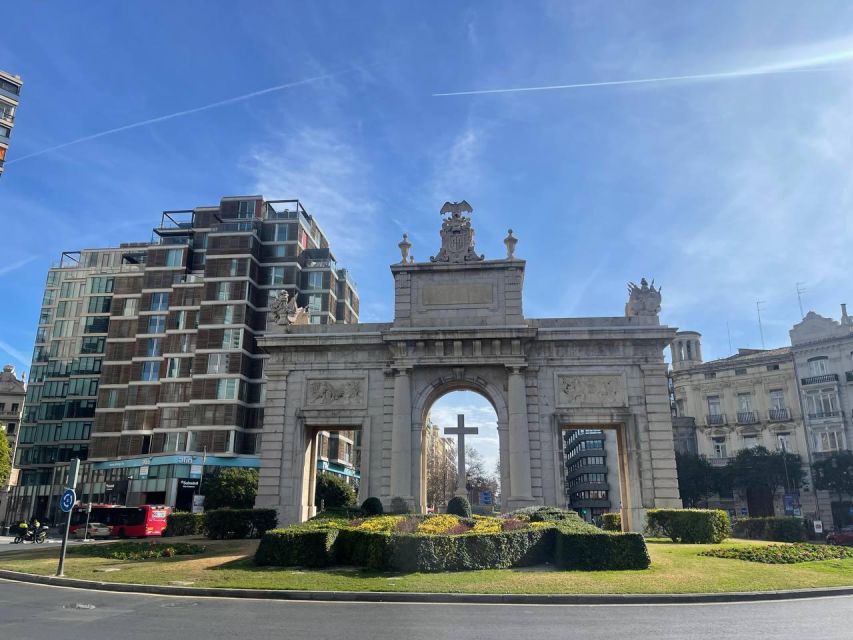
València is one of those cities where a bike tour makes instant sense. The neighborhoods are close enough that you can move quickly, but different enough that walking-only days can blur together. In 2.5 hours, this tour gives you an ordered route you can use later when you plan your own days.
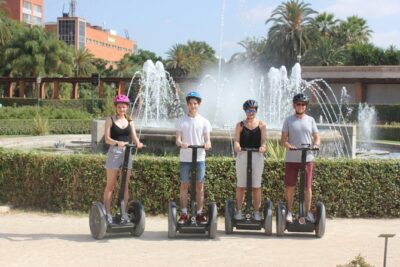
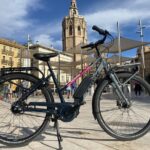
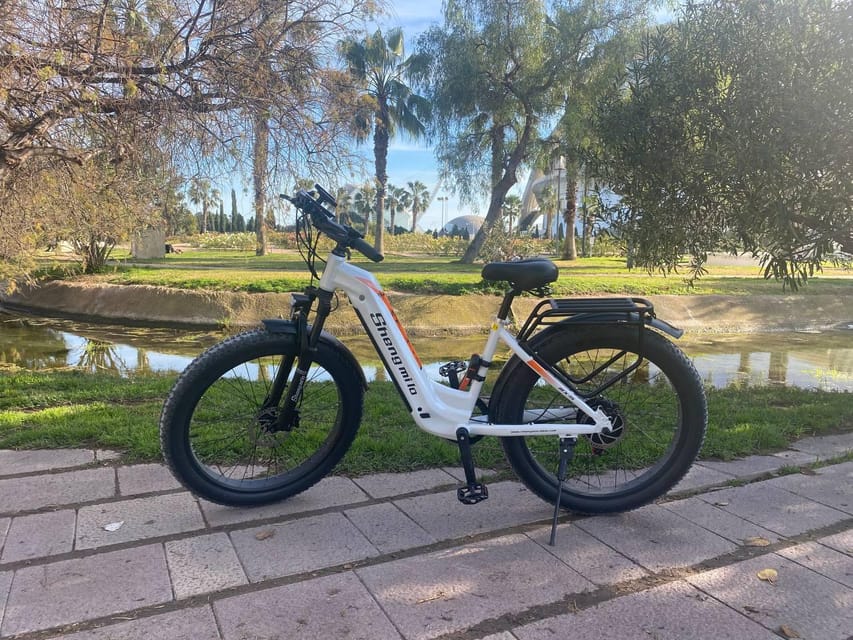
You start at C. de Puerto Rico, 23, where you pick up a comfortable city bike or e-bike. A helmet is available (optional), and you get a bottle of water so you’re not scrambling halfway through. Guides also factor in time for photos and questions, which matters because the whole point isn’t just passing famous places. It’s knowing what you’re looking at when you stop.
Also, València feels built for cyclists. Several people note the ride is smooth and manageable, and that normal bikes can work well if you’re comfortable riding in the city. If you’re not sure, choose the electric bike upgrade during booking. It’s an easy way to keep energy for the views and photos later.
You can also read our reviews of more cycling tours in Valencia

Russafa to the UNESCO Old Town: street art, cobblestones, and real daily vibe
The tour starts by steering you toward Ruzafa (Russafa), a district known for street art, trendy bars, and a diverse culinary scene. Even if you don’t do a food crawl, this part helps you understand what makes València feel current: it’s not only old stone and monuments. It’s neighborhoods with personality.
Then you shift into the historic city center, including UNESCO World Heritage areas. Expect cobblestone streets, tighter turns, and a more atmospheric pace. This is where the bike feels especially useful. You cover ground fast, but the stops keep you grounded so you’re not just whizzing by.
A good guide makes a difference here. People highlight how guides like Daria, Anara, and Victoria explain what you’re seeing in plain language. The result is that the old town stops feel like places with stories, not just “checkmarks” on a map.
Possible trade-off: if you get motion-sensitive or dislike riding over uneven pavement, cobblestones might feel less comfy than smooth paths. The tour handles it with short breaks, but you still need to be at ease on a city bike.
North Train Station to Plaza del Ayuntamiento: tilework and civic center energy
First big photo moment: Estación del Norte (North Train Station). It’s known for colorful tiles and floral motifs that celebrate Valencian identity. This station isn’t a quiet landmark you visit once. It’s a working hub, so it feels alive in a way museums don’t.
From there, you head to Plaza del Ayuntamiento, one of the city’s main squares. The square is a natural place to reset your sense of direction. You’ll see how the city’s ceremonial spaces connect to real street life, with people around you and architecture shaping how the streets flow.
This part of the tour is valuable because it anchors you. After these stops, you start recognizing the city’s layout. Later, when you’re walking or taking transit, you’ll understand what’s near what.
Mercado Central and Lonja de la Seda: food culture and the silk past
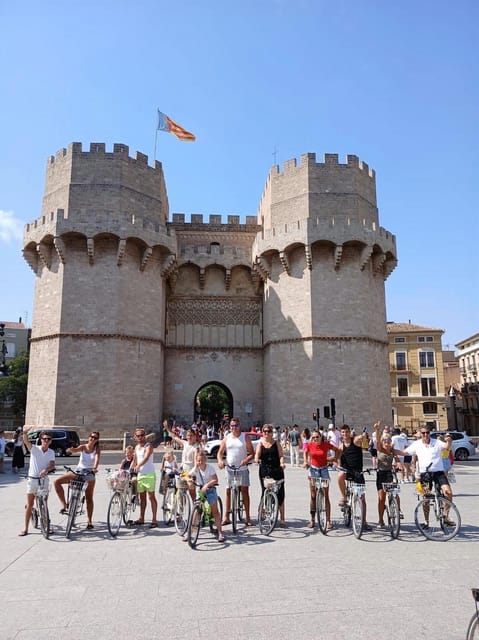
Next comes a sensory favorite: Mercado Central. You’ll learn to see it the Valencian way: as a daily marketplace where fresh produce, seafood, and local delicacies are the headline. Even without a formal tasting, the stop works because markets are visual and practical. It’s where people go for ingredients, and that’s exactly what you want from a city introduction.
Then you step back in time at Lonja de la Seda (Silk Exchange), a former silk exchange where you can really feel the power that trade brought to the city. This is one of those stops that helps you understand why València built so confidently. You’re not just seeing old buildings. You’re seeing the infrastructure behind commerce.
One reason this pairing works: the market shows what matters now, and the silk exchange shows what mattered earlier. You get both ends of the story in a short ride.
Plaza de la Reina, Plaza de la Virgen, and Valencia Cathedral
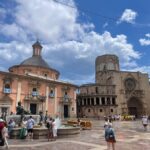
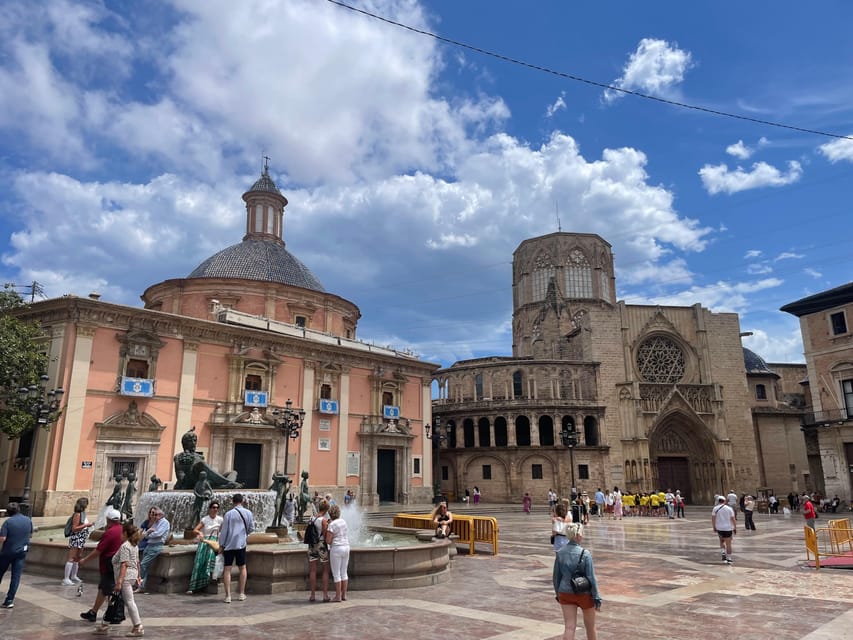
After the market and historic commerce stop, the route moves through Plaza de la Reina and Plaza de la Virgen. These squares act like social rooms—places where architecture frames the day and people gather naturally. It’s also a smooth transition from one landmark cluster to another.
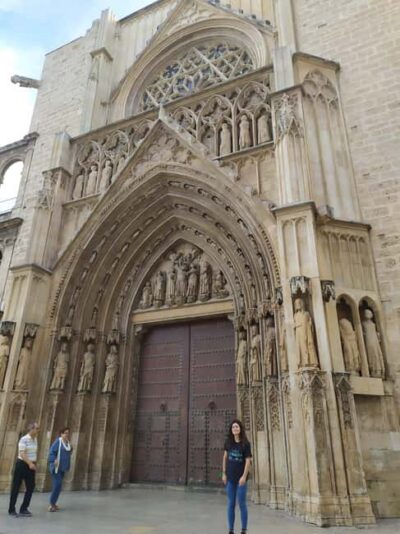
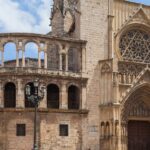
Then comes the Valencia Cathedral. You’ll stop to admire it and get context on what makes it important in the city’s identity. The cathedral area is a classic “slow down” zone, and the bike tour uses that well. You’re not stuck rushing through it; you get time to look from the right angles and absorb the atmosphere.
If you’re the type who likes details, ask your guide a question here. People often mention guides being friendly and answering questions with ease, so you can turn this into a meaningful stop rather than a quick photo.
You can also read our reviews of more guided tours in Valencia



Serranos Towers and the Turia Gardens reset
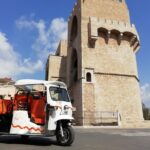
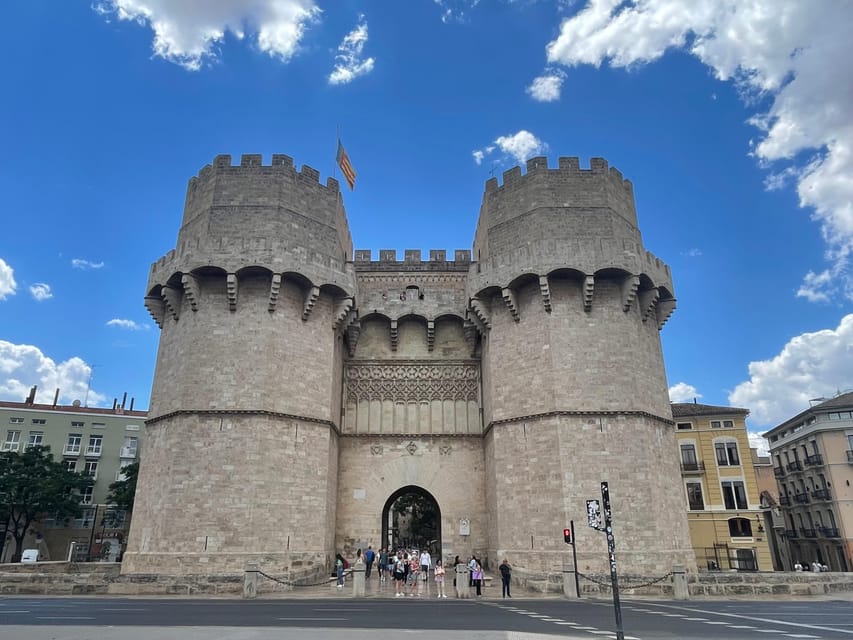
Time for the payoff view: you’ll climb the Serranos Towers for panoramic sights over the city. This is the kind of effort that pays back fast. Once you’re up there, your brain maps what you’ve been riding through and what you’ll want to revisit later.
After that, the tour gives you a much-needed breather in the Turia Gardens. This expansive urban park is a strong “pause button.” It’s described as perfect for picnics, cycling, and strolling, which is exactly how you’ll experience it during the stop: a calmer stretch compared to dense old-town streets.
This is more than a rest stop. It’s strategic. Many first-time visits feel like they only hit monuments. Turia Gardens helps you see València as a livable city, not just a collection of sights.
If you’ve chosen an e-bike, you’ll probably appreciate this part even more. Your legs can recover, and you still end the ride feeling like you did something active.
City of Arts and Sciences: futuristic architecture without the stress
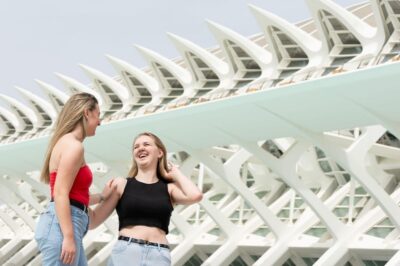
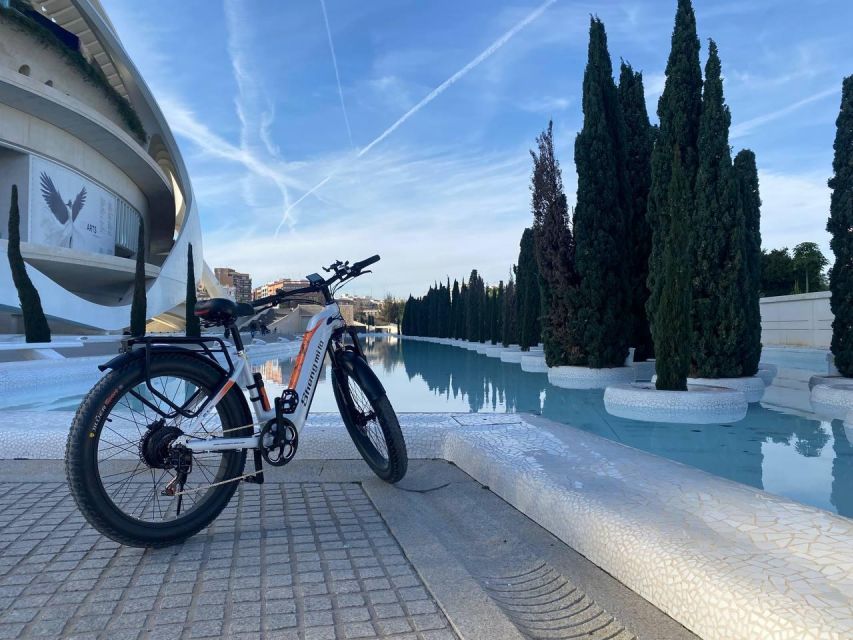
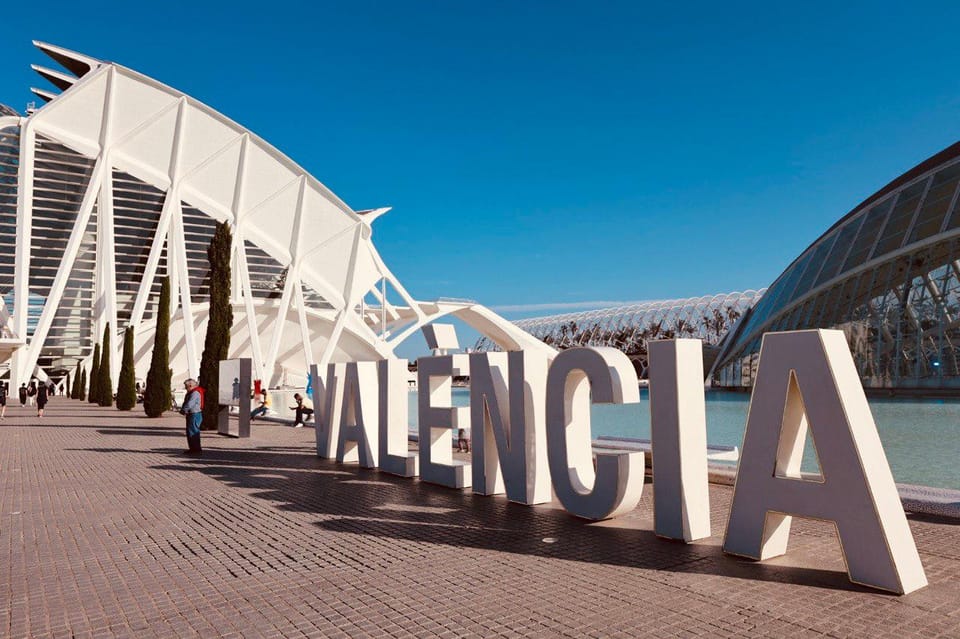
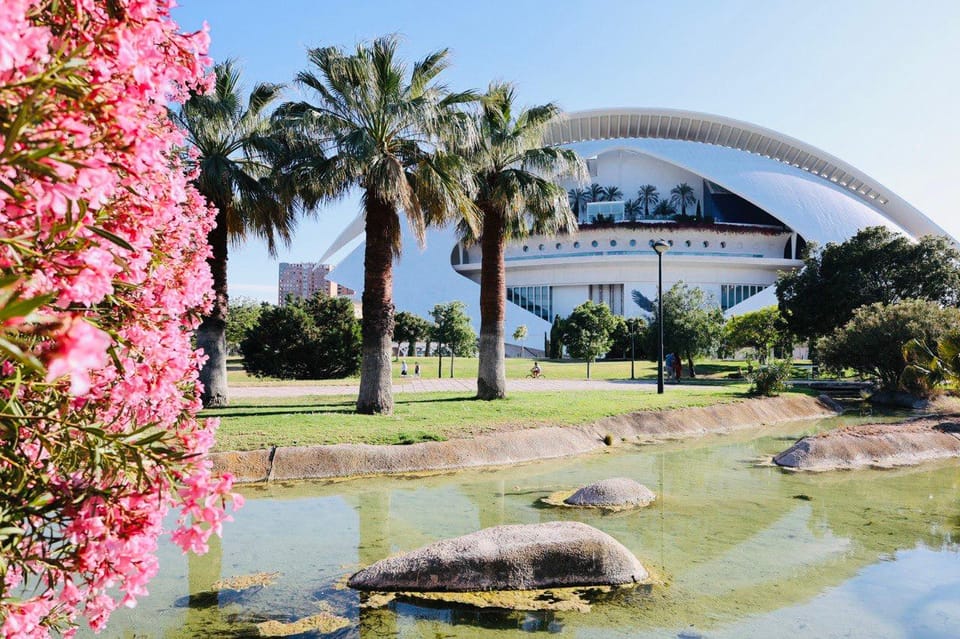
The final big district is the City of Arts and Sciences. This complex is famous for its futuristic architecture and includes the science museum, opera house, and aquarium. Even if you don’t go inside anything on this particular tour, you’ll understand why this area is a headline for modern València. The shapes, scale, and design language are unlike the Old Town.
This segment is a great way to end a bike loop because it flips your mental gear. Old Town gives you tradition and structure. City of Arts and Sciences gives you innovation and geometry. After the towers and gardens, it feels like a clean transition.
Also, because the tour is organized for a single ride, you avoid the “transport headache” that can happen when you try to connect far-apart sights yourself.
Price and value: why $34 makes sense for first-time planning
At $34 per person for about 2.5 hours, this tour is priced like a smart introduction rather than a full-day commitment. You’re paying for three things that are hard to replicate on your own quickly:
- A planned route that links neighborhoods and major landmarks
- A local guide who explains what you’re seeing and shares recommendations
- The bike itself, plus a water bottle and helmet option
The most common value question is whether it replaces walking tours or hop-on hop-off buses. I think it can replace parts of both. For a first day, it gives you direction, key context, and a sense of which areas you’ll want to linger in later.
If you’re worried about energy, the e-bike add-on is worth considering. You’ll still get the same route and stops, just with less friction. The tour is also described as working well even when conditions are tricky—one rainy-day experience still ran smoothly with a comfortable ride plan.
What guides do well on this route (and why it matters)
A bike tour lives or dies by its guide. Here, people consistently praise the way guides create a friendly, confident rhythm. Several names come up: Daria, Shakti, Anara, Victoria, Jorge, Louis, and Arrash.
What stands out is not just facts. It’s the practical delivery:
- Clear instructions so you feel safe on city streets
- Explanations that connect landmarks to Valencian identity and everyday life
- Time built in for photos and questions, not constant motion
- Helpful “what to do next” recommendations at the end
One person even notes receiving a guide list afterward, which is a small detail, but it’s the kind that turns a tour into a planning tool for the rest of your trip.
Practical tips to make the ride feel easy
Before you go, keep it simple:
- Bring a sun hat and sunscreen. The ride includes outdoor stops where you’ll be exposed.
- Wear comfortable shoes that work for short climbs, especially since Serranos Towers involves a climb.
- If you’re choosing between bike types, go e-bike if you want maximum comfort and photo time with minimal fatigue.
Rain is another factor. The tour may be rescheduled or cancelled for safety and comfort, so check the weather the day you ride.
And remember the basic limits: it’s not for people who can’t ride a bike, and it’s not set up for mobility impairments.
Who should book this bike tour, and who should skip it
This tour is a strong fit if you:
- Want an efficient first-day overview of classic Old Town plus modern architecture
- Like biking but don’t want to spend hours plotting route details
- Appreciate a guide who explains landmarks in a way that helps you remember them
You might skip it if you:
- Are uncomfortable riding over cobblestones or in a city cycling environment
- Need a fully accessible option, since it’s not suitable for mobility impairments
- Prefer a totally unstructured pace with no scheduled stops
Should you book Valencia’s Top 25 Highlights guided bike tour?
Yes, if your goal is fast orientation with real context. The route hits the big identity points: Russafa’s everyday energy, UNESCO-worthy historic zones, the tile-and-flower drama of North Station, the market-and-trade story of Mercado Central and Lonja de la Seda, a view climb at Serranos Towers, then the modern wow of City of Arts and Sciences.
It’s also a good value at $34 because the bike, guide, and planned sequencing reduce effort. If you’re trying to decide between this and a do-it-yourself day, this one saves you time and gives you built-in local guidance.
If you’re physically confident on a bike and you want a guided route you can build your later days on, book it early in your trip. Then you can come back to the places you liked most and slow down where you actually want to linger.
FAQ
How long is the bike tour?
The tour lasts 2.5 hours.
Where does the tour start and end?
It starts and ends at C. de Puerto Rico, 23.
What’s included in the price?
You get a comfortable city bike or e-bike, a friendly local guide, a bottle of water, and an optional helmet.
Do I need to bring food or drinks?
Food and drinks are not included unless specified, so plan on handling meals on your own.
Can I upgrade to an electric bike?
Yes. You can upgrade by choosing the electric bike add-on during booking.
What languages are the live guides available in?
The live tour guide is available in Ukrainian, English, and German.
What should I bring with me?
Bring a sun hat and sunscreen.
What if it rains?
In case of rain, the tour may be rescheduled or cancelled for safety and comfort.
Is the tour suitable for everyone?
It is not suitable for people with mobility impairments, people who can’t ride a bike, and people over 264 lbs (120 kg).