REVIEW · FARMS
Valencia: Orange Farm and Orchard Trip with Tastings
Book on GetYourGuide →Operated by HUERTO RIBERA · Bookable on GetYourGuide
Citrus hunting beats another museum stop. This 2-hour Huerto Ribera experience in Carcaixent pairs a walk through orange groves with a family-style look at how fruit gets grown, sorted, and turned into Valencia favorites. You’ll even collect seasonal oranges and try artisanal products at the end.
I especially like the hands-on picking portion, because it turns your photos into something you can actually taste later. I also like how the guide explains traditional cultivation vs modern techniques, including pruning, grafting, and flowering, not just the pretty parts of the orchard.
The main drawback is simple: there’s no transportation included. If you’re arriving by train, plan extra time to get from the station to the property, and wear comfy shoes for walking in sun.
In This Review
- Key highlights you’ll care about
- Huerto Ribera: an orange farm visit with real work behind it
- How to reach Carcaixent from Valencia (and what to plan for)
- The orchard walk: pruning, grafting, and why tradition matters
- Picking seasonal oranges (and taking the flavor home)
- Naranjas Ribera warehouse: calibrating oranges like the pros
- Citrus lineup tastings: from Sanguinelli to Buddha’s Hand
- The end tastings: juice, liqueurs, jams, and orange blossom honey
- Price and value: why $35 for 2 hours can be a smart buy
- Timing and what you’ll notice in different seasons
- Who should book, and who should skip
- Should you book Huerto Ribera’s orange farm and tastings?
- FAQ
- How long is the Valencia orange farm trip?
- What is the price per person?
- Can I pick oranges to take home?
- What tastings are included?
- How do I get to Huerto Ribera from Valencia?
- Is the tour wheelchair accessible?
Key highlights you’ll care about
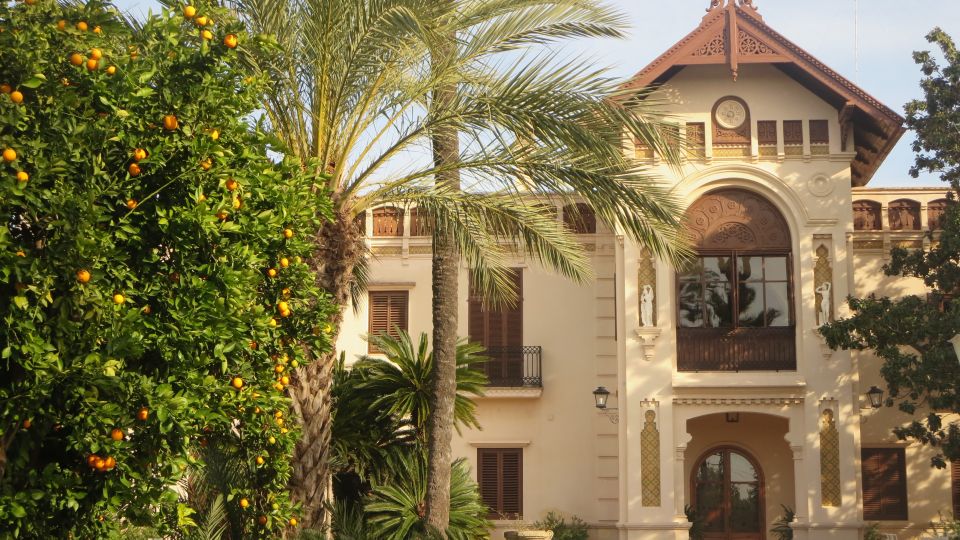
- A farm that’s been running since 1870 in the orange-growing heartland of Carcaixent
- Pick-your-own oranges during the stated season (Feb–Jun for the take-home bag)
- Calibrating and selecting at the Naranjas Ribera warehouse, where fruit gets prepared for shipping
- Real citrus variety tasting, including Sanguinelli, Citrus Yuzu, Buddha’s Hand, and citrus caviar
- End-of-tour tastings like orange juice, Valencian liqueurs, homemade jams, and orange blossom honey
Huerto Ribera: an orange farm visit with real work behind it
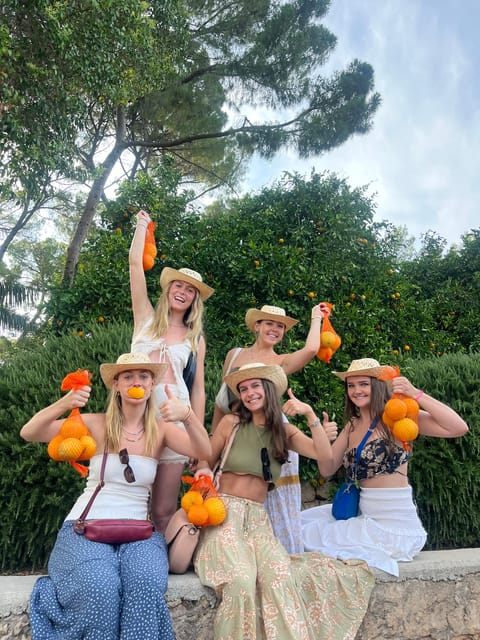
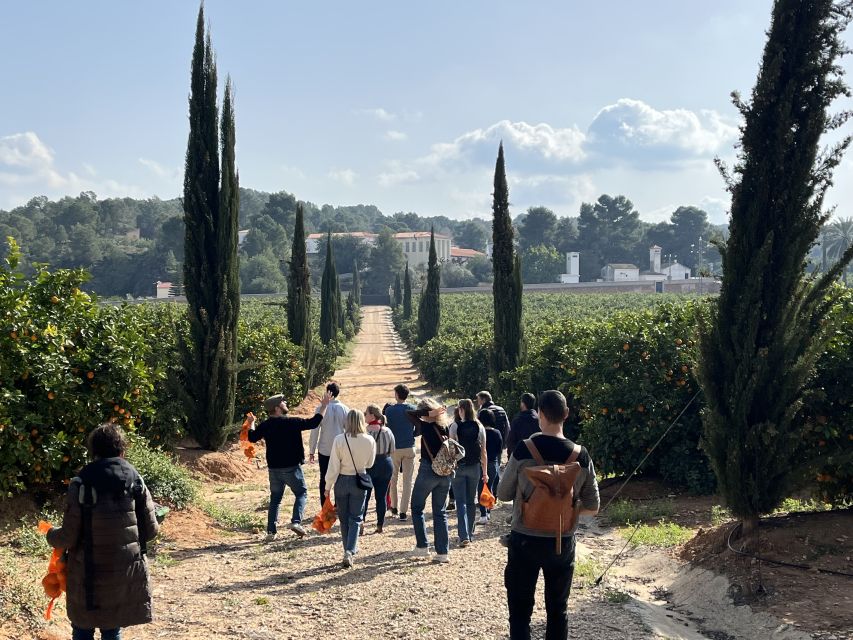
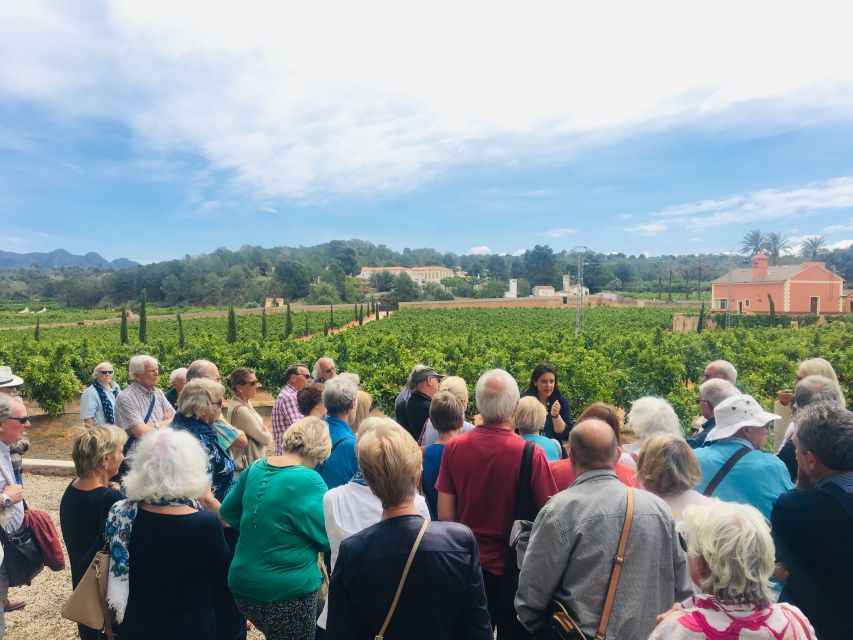
This tour starts at Huerto Ribera, a Carcaixent property set up for guided visits but still very much a working orchard. You begin at the 19th-century modernist house (seen from the exterior), then move into gardens and orange groves where the day’s learning is built around how citrus is handled year-round.
One reason this experience feels different from a generic food tour is that you’re not just tasting end products. You’re learning the “why” behind the orchard: how trees are shaped, why specific varieties are planted, and how growers think about seasonality. You’ll walk past oranges and also a wide mix of plantings listed for the property, from tangerines to lemons and even Buddha’s Hand, citrus caviar, kumquats, grapefruit, pomegranates, papayas, and medlars.
If you like food that has a story, you’ll appreciate the farm framing. It connects the history of Valencian citrus to the practical steps that decide quality: pruning schedules, grafting choices, and how flowering affects the fruit you’ll later pick and taste. It also gives you context for what makes Valencian oranges different from the usual grocery version.
You can also read our reviews of more tours and experiences in Valencia.



How to reach Carcaixent from Valencia (and what to plan for)
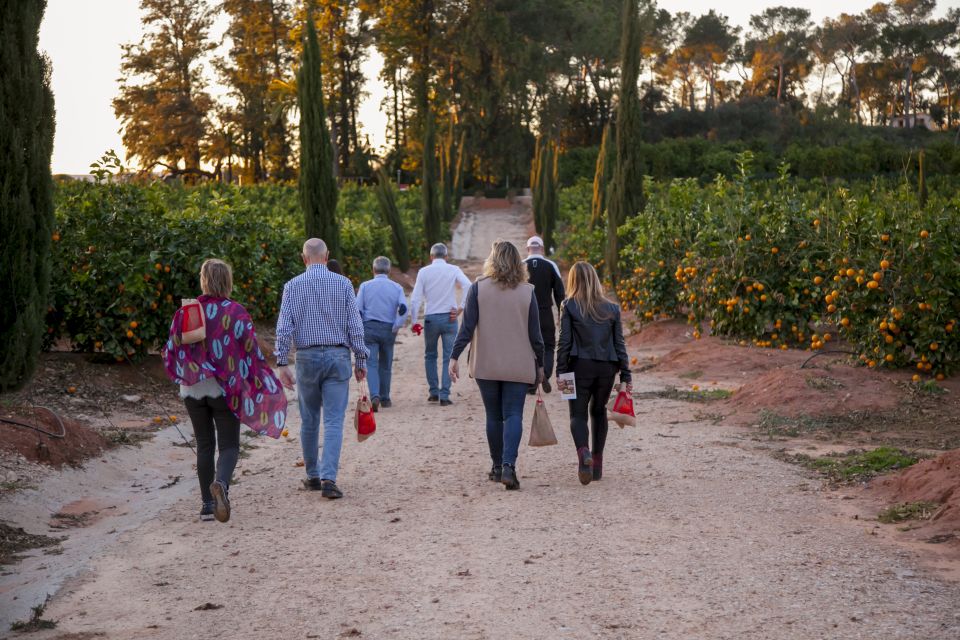
Carcaixent is about 35 km from Valencia. If you’re driving, it’s an easy day-trip distance. If you’re going by train, the tour info notes a direct train from Valencia Nord, taking about 35 minutes.
Here’s the practical point: the tour does not include transportation, so you’ll want to plan your last-mile move to Huerto Ribera. Some people use a taxi for the final stretch, while others handle it by walking, so build buffer time into your schedule. If you miss timing, you can end up rushed for the start.
Also, bring the right shoes. The tour is built around walking through gardens and orchard areas, and the best photos and best learning happen when you’re not fighting your footwear. During hotter months, hats have been mentioned in reviews, which is a nice sign that the farm expects you to handle sun on orchard paths.
If you’re reading this and thinking, I want something easy from Valencia, you’re in luck. The train hop is short. Just don’t count on the farm to be next door to the station.
The orchard walk: pruning, grafting, and why tradition matters
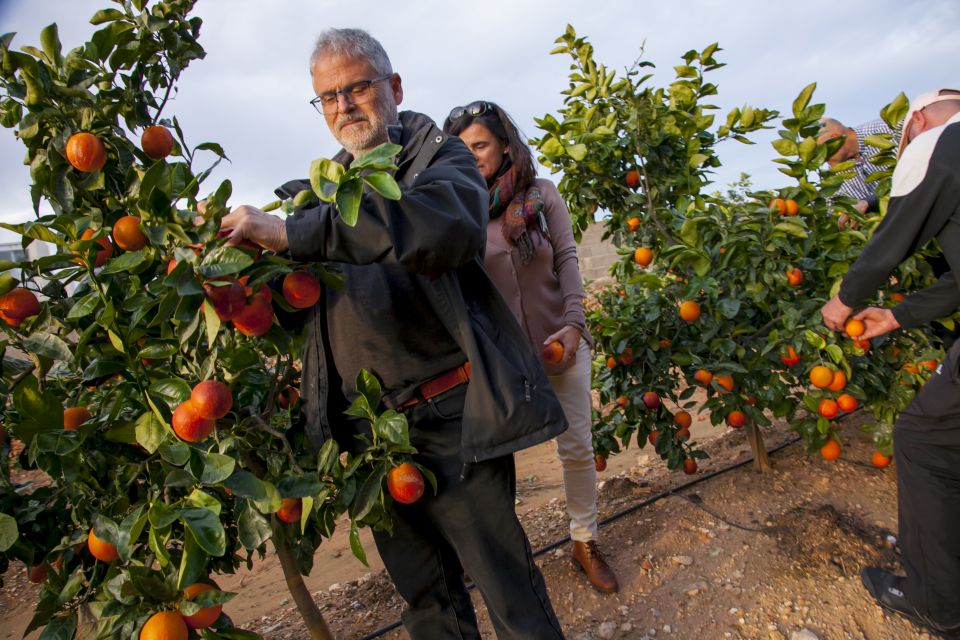
Once you’re on site, the route becomes a guided lesson. You’ll walk through citrus trees and learn how the farm compares traditional cultivation with modern techniques. That’s where the experience stops being purely scenic. You’ll hear about pruning and grafting, and you’ll also learn about flowering, which is a big deal in citrus growing because it’s tied to timing, yield, and fruit quality later.
You’ll also get an on-the-ground sense of how many citrus types can share the same farm logic. The visit isn’t limited to one orange variety. You’ll see a mix of plants and citrus species, which helps you notice how different fruits behave in orchards. Even if you don’t remember every name, you’ll likely remember the shapes, the scents, and the way the grove changes through the season.
One of the strongest parts of the orchard walk is that you learn what growers do before the fruit even reaches your plate. Sorting, calibration, and harvest timing may sound like behind-the-scenes steps, but here they’re part of the “food chain” you can actually see. For you, that means better understanding when you taste things later. You’ll taste the fruit and think, Oh, that variety makes sense for this season.
Picking seasonal oranges (and taking the flavor home)
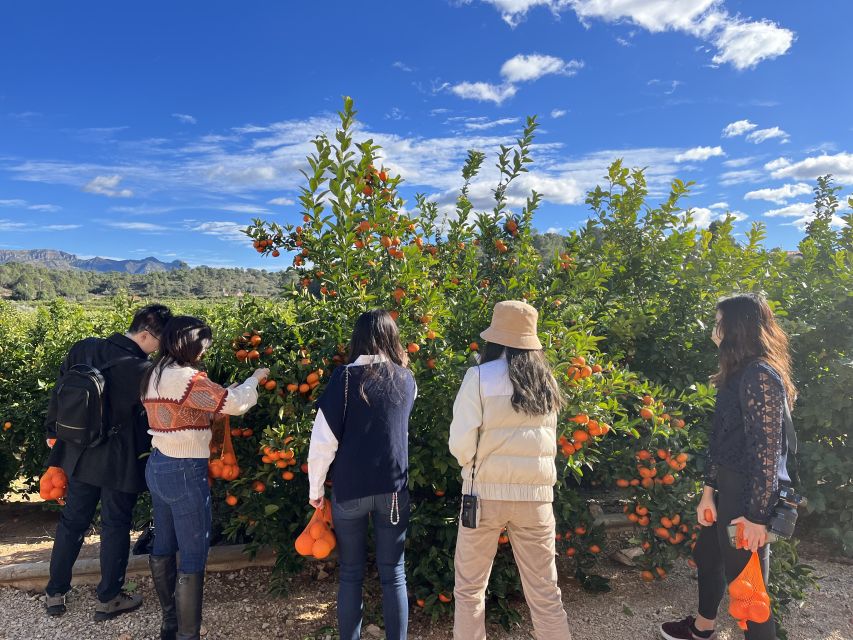
At the end of the walking portion, you’ll have a chance to collect your own oranges in season. The included option is a pick-your-own bag listed as February to June, and the broader description also frames harvesting season as running from October to June. So the safe planning move is to check the exact dates for your trip and expect availability to shift by season.
The hands-on picking part is usually the moment that makes people smile hard, because it’s active. You’re not just walking past fruit; you’re choosing it. That choice matters because not all oranges on a tree are ready at the same time, and different varieties ripen differently.
There’s also a practical side. You’re taking fruit home, so think about how you’ll pack it. If you’re traveling light, you may not want to add extra heavy purchases beyond your bag. The tour includes fruit for you, but the farm’s small shop at the end can tempt you with more.
If you’re visiting in the months when orange blossoms are active, you may also catch that classic smell of blossoms in bloom. Even when you’re not in blossom season, you still get the “fresh citrus in the air” effect from the orchard itself.
Naranjas Ribera warehouse: calibrating oranges like the pros
After picking, the tour goes into the Naranjas Ribera warehouse step, where oranges are calibrated and selected before they’re boxed and sent across Europe. This is one of the most useful parts of the visit because you see what happens after harvest, when quality turns into packaging.
Calibration is one of those steps that sounds technical until you see it in action. You’ll learn how fruit is measured and sorted, and why growers care about consistency. For you, that matters because it explains why some oranges are always sweet and others can be disappointing. The farm isn’t just selling fruit. It’s building a repeatable product.
This stop also helps you understand a big reality about Valencia citrus: it’s both traditional and business-minded. The tour compares old and new growing methods, then shows you how quality control fits into modern distribution. You come away with the feeling that citrus farming here is not just a hobby or a scenic pastime. It’s serious work with a system.



Citrus lineup tastings: from Sanguinelli to Buddha’s Hand
The tour is built around citrus variety, not just one safe default. You’ll explore and taste multiple citrus types, including Sanguinelli, Citrus Yuzu, and Buddha’s Hand, plus fun items described like citrus caviar. Even if you haven’t heard these names before, the guide should help you connect the flavors to what you saw in the orchard.
Here’s what I think makes these tastings so valuable: you get sensory contrast in a short time. Sweetness, acidity, and aroma can shift dramatically across citrus varieties, and that makes the tasting more memorable than sipping one kind of juice. Orange juice is great, but the real learning comes from comparing what each variety tastes like, especially when the guide explains how varieties are grown and harvested.
You might also encounter other citrus and fruit tastings depending on what’s in season. The tour description mentions tangerines in season, and the orchard includes many other plantings across the property. That mix means you’ll likely get something new even if you think you know what Valencia oranges taste like.
If you love food details, this is where the guide-led format wins. It’s hard to ask good questions in a self-guided orchard wander. Here, you can connect the fruit in front of you to the process behind it.
The end tastings: juice, liqueurs, jams, and orange blossom honey
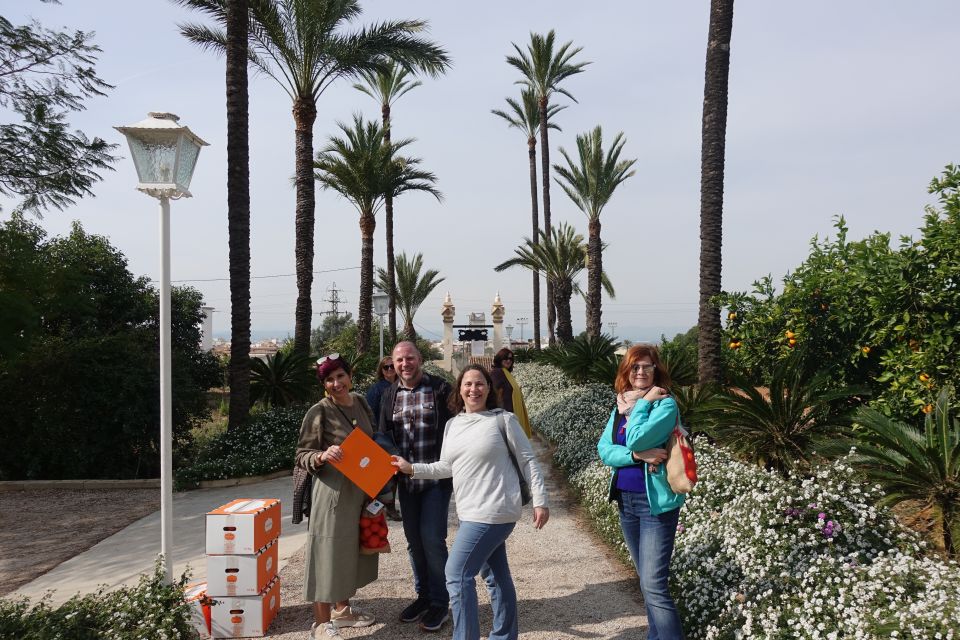
The final portion focuses on tasting typical Valencian products tied to orange culture. Expect things like orange juice, tangerines when they’re in season, Valencian liqueurs, homemade jams, and orange blossom honey.
This is also when you can shift from learning to enjoying. Many people hit this stage with an empty stomach, and that makes the tastings more fun. You may start with something light like lemonade, and you’ll likely leave with several flavors you can actually buy and bring back.
From reviews, there are touches that make the tasting feel cared for, such as hand wipes after eating and the availability of seats when you need a break. Those details matter more than you’d think on a warm day, especially when you’ve already done orchard walking.
If you like to bring home gifts that aren’t generic, the shop items are the point. Orange blossom honey and small jars of marmalade or jam can be a practical souvenir: they travel well, and they taste like Valencia rather than like a branded trinket.
Price and value: why $35 for 2 hours can be a smart buy
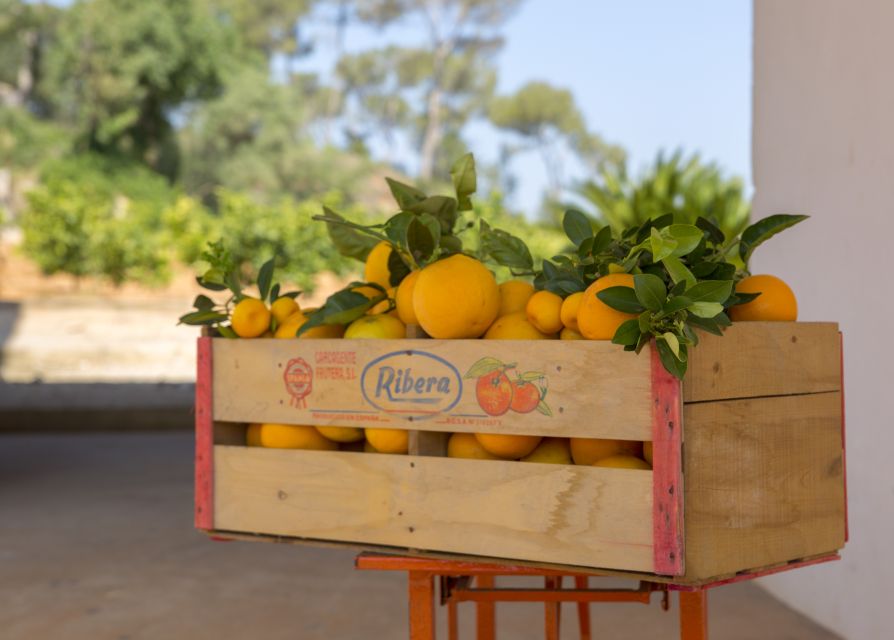
At $35 per person for about 2 hours, this tour is priced like an affordable “escape” from Valencia’s city routine. The value comes from three things you don’t always get together: a guided farm walk, a behind-the-scenes sorting step, and a take-home fruit option.
Yes, you pay for the guide and structure. But you also get access to parts of the citrus process that are hard to replicate on your own. Trying to self-tour an orchard won’t naturally include the warehouse calibration lesson or the structured tastings of Valencia-style products. Here, you get fruit you can pick in season plus a set of tastings that make the whole thing feel like a complete loop.
A second value driver is the variety. You’re not stuck with only oranges. You’ll likely taste multiple citrus types and related products, which stretches the tour beyond a single-flavor experience.
One more practical value note: you’ll want to plan for time and transport on your side since it’s not included. Still, once you account for that, the price remains reasonable for a guided, hands-on farm visit with multiple tasting stops.
Timing and what you’ll notice in different seasons
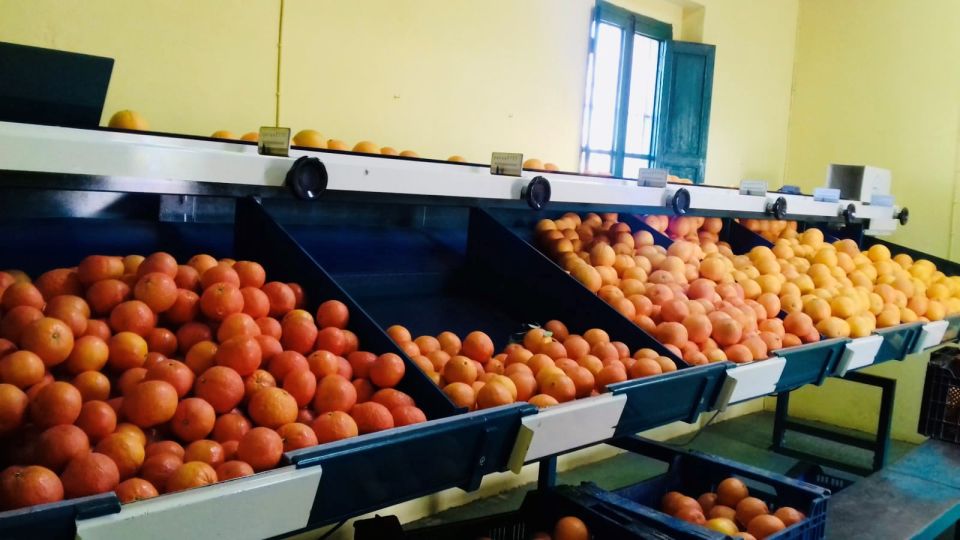
This tour works best when you understand it’s tied to citrus season. The included pick-your-own bag is listed as February to June, but the orchard description also frames fruit season broadly from October till June. That means your exact takeaway depends on when you go.
If you visit around periods when orange blossoms are active, you’ll likely notice a strong aroma. Several guides emphasize blossom timing, and that scent can turn the orchard walk into something almost sensory-coaching instead of just sightseeing.
In warmer months, expect more sun and heat on the ground. Reviews mention hats being provided, which is a good sign that the farm anticipates summer conditions and helps you handle them. If you go in the hottest months with kids or a slower pace, plan for breaks and bring water if your tour schedule allows.
The tour is only 2 hours, so you’ll get enough time for picking and tastings, but it’s still a moving day. Your job is to match the pacing to your comfort level. Wear shoes you can walk in for the full circuit, not just for city streets.
Who should book, and who should skip
This tour is a great fit if you want something genuine and food-focused without being complicated. You’ll like it if you enjoy:
- learning how farms work, from pruning to sorting
- tasting multiple citrus types and Valencia products
- taking home fruit during the stated pick-your-own season
It’s also a nice family option. Reviews mention guides keeping children involved and lots of space to rest when needed, which helps make the “walk + taste” format less stressful.
It’s less ideal if you need full wheelchair accessibility. The tour is listed as not suitable for wheelchair users, so plan an alternative if mobility is a concern.
If you hate organized group pacing, this might feel like “guided walking” rather than freedom. But if you’re okay with a structured 2-hour route, you’ll likely come away with a stronger understanding of why Valencian citrus tastes the way it does.
Should you book Huerto Ribera’s orange farm and tastings?
I’d book this tour if you want a short, practical day-trip with hands-on fruit and real farm context. For the money, the pairing of pick-your-own oranges, the Naranjas Ribera calibration stop, and the tastings of juice, liqueurs, jams, and orange blossom honey is exactly what makes it feel worth leaving the city for.
If you’re going mainly for scenery, you might still enjoy the orchard setting, but you’ll get more out of it if you like learning how food is grown and prepared. If transport timing worries you, plan your last-mile route carefully and give yourself buffer time from the station.
FAQ
How long is the Valencia orange farm trip?
It lasts 2 hours.
What is the price per person?
The price is $35 per person.
Can I pick oranges to take home?
Yes. The included pick-your-own option is listed as a pick your own bag of oranges (February to June). The description also notes fruit season from October till June.
What tastings are included?
The tour includes tastings of typical Valencian orange products, including orange juice, tangerines in season, Valencian liqueurs, homemade jams, and orange blossom honey.
How do I get to Huerto Ribera from Valencia?
You can reach Carcaixent by car (35 km from Valencia) or by train from Valencia Nord Station with a direct train that takes about 35 minutes. Transportation to the meeting point isn’t included.
Is the tour wheelchair accessible?
No. It is listed as not suitable for wheelchair users.