REVIEW · FOOD & TAPAS TOURS
Johnny Madge Olive Oil Tastings
Book on GetYourGuide →Operated by Johnny Madge Olive Oil Tours · Bookable on GetYourGuide
Olive oil can taste like wine. In Benimaclet, Valencia, Johnny Madge (an International Olive Oil Competition judge) runs a 1-hour extra virgin olive oil tasting that’s friendly, funny, and seriously informative. I love that you don’t just get a sip—you smell first, taste with competition-style cups, and then learn what the words on bottles actually mean. I also like how the session stays relaxed while still covering nerdy topics like how milling affects quality and what makes bad oil taste bad. One possible drawback: if you only want a casual food tasting with zero explanations, this class does spend time clarifying extra virgin and the confusing label phrase first cold pressed.
You meet at a cafe called La Ola Fresca on a leafy square, not by a car road, and you’ll taste at least 3 world-class oils chosen by an expert (not from a producer showing off their own bottles). You can dip bread if you want—sourdough or gluten-free—and Johnny answers questions about using olive oil with food and even health topics. The vibe is more guest than customer, and the format works well for different learning styles, from light and easy to full-on photos-and-details.
In This Review
- Key Things to Know Before You Go
- Where You Start at La Ola Fresca and What Happens in 1 Hour
- Competition-Style Smell and Taste: What the Biodegradable Cups Are Really For
- Extra Virgin and First Cold Pressed: The Label Words You’ll Understand
- How the Best Oils Are Made—and Why Bad Oil Tastes Worse
- Bread Dipping, Gluten-Free Options, and Real-World Uses
- Johnny’s Q&A, the Photos Option, and the Friendly Pace
- Price and Value: Is $23 Worth It for an Olive Oil Class?
- Who This Tasting Fits Best
- Should You Book Johnny Madge’s Olive Oil Tasting in Valencia?
- FAQ
- Where is the meeting point?
- How long does the olive oil tasting last?
- What’s included in the $23 per person price?
- Do you taste oils from a producer who makes them?
- Can I dip bread in the oils?
- What languages are offered during the class?
- Is water included, and are other drinks covered?
- Is the experience wheelchair accessible?
- What’s the cancellation policy and pay-later option?
Key Things to Know Before You Go
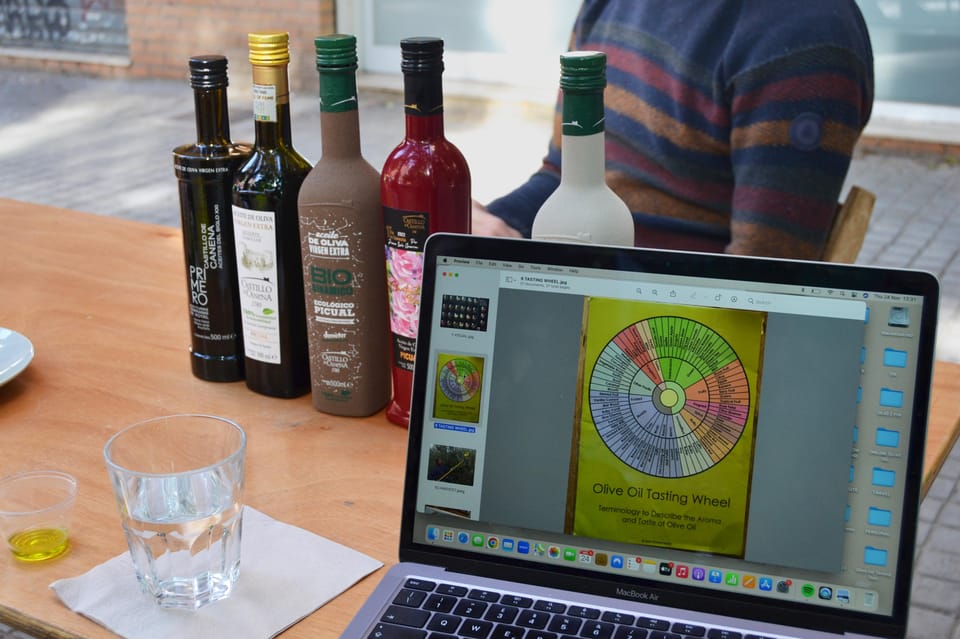
- International judge-led tasting in Valencia, led by Johnny Madge with 20 years of experience
- At least 3 award-winning oils chosen by an expert (not a producer promotion)
- Smell-and-taste method using special biodegradable corn cups
- Clear explanations of extra virgin, first cold pressed, and how good oil is made
- Bread dipping options, including gluten-free
- Multi-language guide service in English, Italian, French, and Spanish
Where You Start at La Ola Fresca and What Happens in 1 Hour
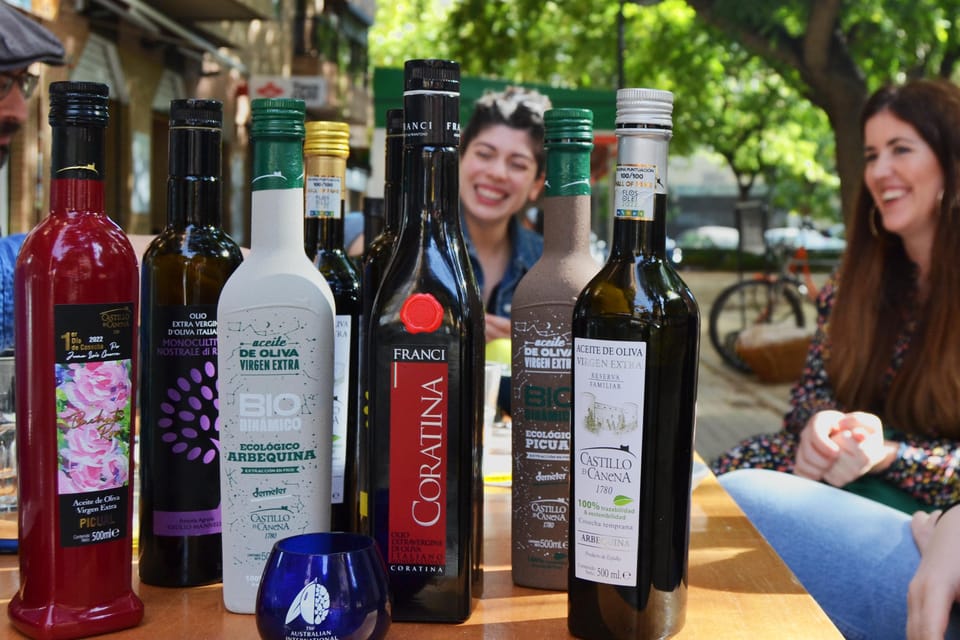
The whole experience is anchored in one simple place: a cafe called La Ola Fresca, with a big sign you can spot easily. It sits on a small square lined with trees, and it’s not on a street cars use, which makes it feel calm from the start. You’re there for about one hour, so you’re not signing up for a long lecture.
The flow is built around sensory learning. Johnny will bring you through how tasting works in International Olive Oil Competitions: first you smell, then you taste, then you connect what you noticed to how you should use that oil with food. You’ll sample at least 3 of the world’s best oils, and the explanations are set up to make the experience feel fun and clear, not intimidating.
This is also a good format if you have questions and want straight answers. Johnny explicitly invites discussion on evoo basics, how to use olive oil with meals, whether you can cook with it, and how the milling process matters. And if you’re not in a “teach me everything” mood, you can keep it lighter—Johnny can steer the session toward either a relaxed pace or deeper nerdy details.
You can also read our reviews of more tours and experiences in Valencia.



Competition-Style Smell and Taste: What the Biodegradable Cups Are Really For
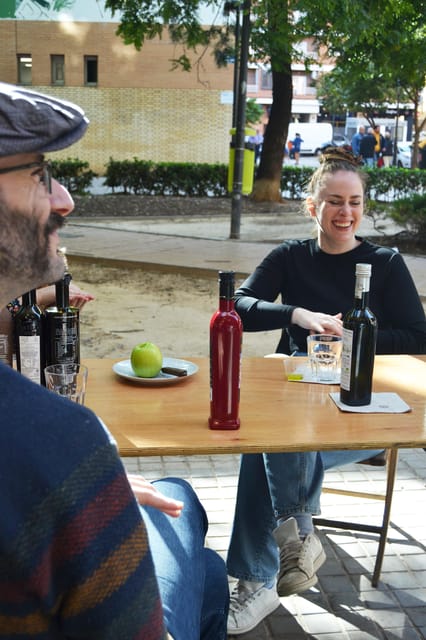
Most olive oil experiences start at the tasting part. This one starts earlier: with your nose. You’ll use special cups made of biodegradable corn to smell the oils first, which is the point. Olive oil flavor is a lot about aroma—green, ripe, bitter, pungent, fruity, herbal—so tasting without smelling is like trying to read with your eyes half closed.
Then comes the actual tasting technique. Johnny teaches people how to taste olive oil properly, not just how to swallow something that tastes “good” or “bad.” You’ll learn what you’re looking for in texture and bitterness, but also how aroma and taste work together. The end result is that you start describing oils in a way that makes sense at the table, not just in your head.
One reason I think this works so well is that the oils are chosen by an expert, not presented as someone’s brand story. Johnny isn’t just testing his favorites. He’s bringing in the best oils he judges (including oils from Spain and other countries), so your palate gets calibrated against real top-level examples. That’s also why people often come away feeling like they can tell the difference between quality and low-end oil much faster than before.
Extra Virgin and First Cold Pressed: The Label Words You’ll Understand
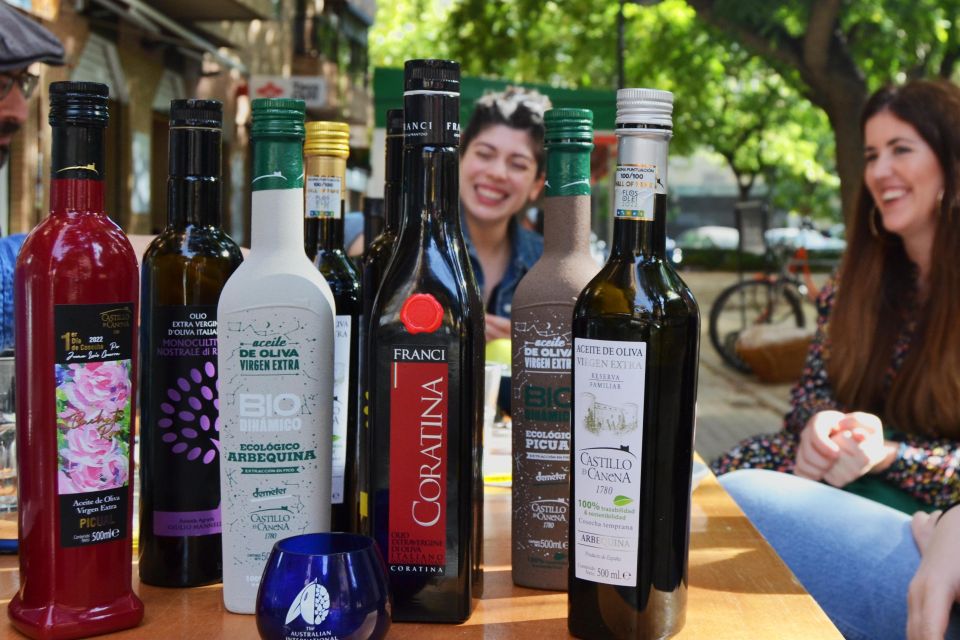
Olive oil labels can be a mess. In this class, Johnny tackles the confusion head-on, including what “extra virgin” actually means and why “first cold pressed” is one of the most misleading phrases people repeat.
You’ll hear the logic behind the terms in a way that’s meant to be memorable, not technical for its own sake. “Extra virgin” isn’t just a marketing vibe. Johnny explains it through the lens of quality standards and what you can detect with proper tasting.
And “first cold pressed” gets special attention because it’s often misunderstood. The expression sounds simple, but it doesn’t tell you everything you need to know about the oil’s quality. Johnny’s explanation helps you avoid the trap of assuming that a phrase equals excellence. After this, you’ll be more likely to ask the right questions when you’re shopping: How was it made? How fresh is it? What does it taste like?
This is where the 20 years of experience shows. Johnny knows how to explain without losing people, and he builds in humor to keep the session moving. The goal is simple: when you leave, the words on the bottle should stop being a guessing game.
How the Best Oils Are Made—and Why Bad Oil Tastes Worse
Johnny doesn’t stop at definitions. He also covers what makes the best olive oils and what happens when oil goes wrong. You’ll hear about how the oil is made and why the process matters for flavor—especially the role of milling technology and handling after harvest.
One part I appreciate is that the class treats quality as a result of real choices and real processes. You’ll learn the big idea behind how to make the best olive oil and what can lead to poor-quality oil. Johnny even explains why bad oils are bad, not just that they’re bad. That detail matters, because once you understand the cause, you start to recognize the effect in tasting.
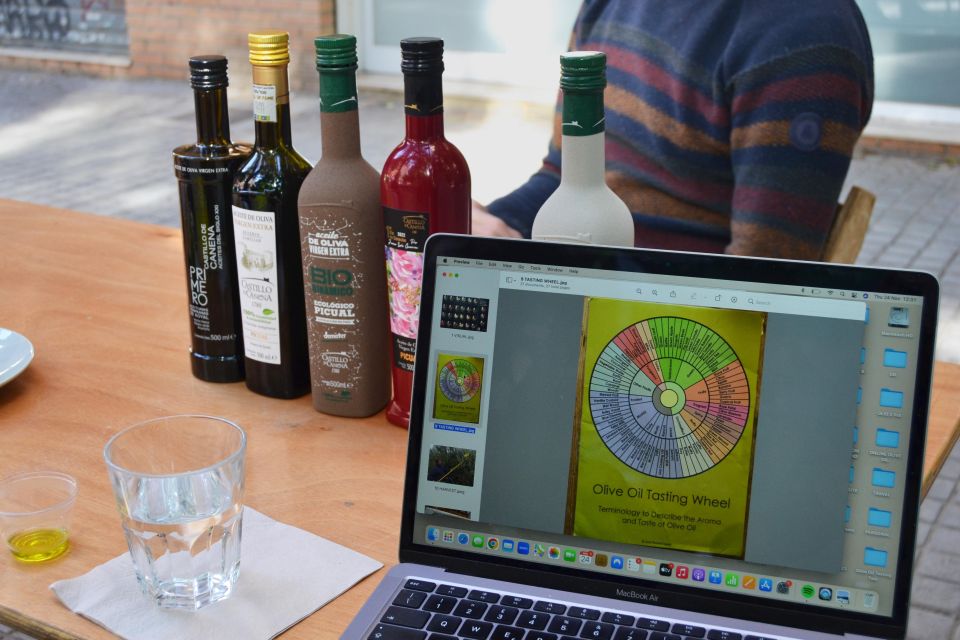
If you’re curious about how olive mills work, you can get the “nerdy details” option too. Johnny can share facts and photographs so you can connect the lab-coat story to what you actually smell and taste. If you’re not that type, you can keep it lighter—the class is flexible.
Bread Dipping, Gluten-Free Options, and Real-World Uses
After smelling and tasting, you’ll also learn how to use these oils with food. This is practical, because the point of tasting isn’t to collect opinions—it’s to cook and eat better.
If you want bread, you can dip it into the oils. The class offers the bread they normally use, and you can also choose sourdough or gluten-free. That means the tasting can work even if you avoid gluten. The bread step also helps you understand the oil’s character in a more everyday context. Some oils taste sharper or more lively on their own; with bread, you start to see how the flavor behaves with texture and salt.
Johnny will also answer questions about cooking with olive oil. He’s clear that you can use olive oil for cooking, and he’ll explain how to think about it rather than treating it like a fragile museum piece. You’ll also be able to ask about health topics if that’s part of your reason for taking the class—Johnny says he fields those questions directly.
This is one of those experiences that can change your habits. Once you’ve compared award-level oils side by side, it becomes harder to enjoy mediocre oil without noticing the difference.



Johnny’s Q&A, the Photos Option, and the Friendly Pace
A big selling point here is the host. Johnny Madge is an International Olive Oil Competition judge with 20 years of holding tastings, and that experience shows in how he runs the session: friendly, clear, and easy to follow.
You’ll hear about how competition tasting is done, including the techniques used to judge oils. And during the class Johnny answers questions about pretty much everything people worry about: what the terms mean, how milling affects quality, how to use evoo with food, and even whether it makes sense to cook with it. If you want to go deeper, he can go deeper—with photos of the milling process and additional facts.
If you want the experience to stay light, it can. That flexibility matters because not everyone wants the same level of detail. The class is built to make you feel at ease, not like you’re being tested.
Price and Value: Is $23 Worth It for an Olive Oil Class?
At $23 per person for a one-hour tasting, the value depends on what you want out of it. If you’re just sampling olive oil, you might wonder why you’d pay instead of buying a bottle. But this isn’t a bottle pitch. You taste at least 3 top oils selected by an expert with 20 years of experience, and you get the method behind tasting plus the label decoding.
I think the real value is speed. In one hour, you learn how to smell and taste in a way that lets you shop and cook with more confidence. Instead of guessing whether “extra virgin” is meaningful, you’ll understand what it signals and what you should look for in flavor. Also, because the oils aren’t tied to a single producer, you get a broader sense of variety—how different olive oils can be amazing and different, not just good or bad.
One practical consideration: you’re committing to sensory focus for an hour. If you’re in a hurry or worn out from a long day, you’ll still enjoy it, but you’ll get more out of it when you can pay attention to aroma and taste.
Who This Tasting Fits Best
This is a great fit if you like food experiences that teach you how to think, not just what to eat. It’s especially good for:
- Anyone who sees extra virgin labels and wants real clarity
- Olive oil fans who want a competition-grade tasting format
- People who want gluten-free bread options during a food-and-taste activity
- Curious cooks who want better oil choices for the table and the pan
It’s less ideal if you want a silent, minimal-effort food tasting with no explanation. The class is designed to talk through terms, techniques, and quality—so you’ll learn along the way, even if you choose a lighter pace.
Should You Book Johnny Madge’s Olive Oil Tasting in Valencia?
If you want to turn olive oil from a vague pantry item into something you can actually taste, compare, and use with confidence, I’d book it. You’re getting a one-hour class led by an International Olive Oil Competition judge, with at least 3 top oils, competition-style smell-and-taste technique, and a clear explanation of the label words that confuse everyone.
Book it if you’re excited by learning through your senses and you want to leave with better oil habits. Skip it if your goal is purely casual nibbling with zero discussion. For most people, though, the combination of friendly hosting and real tasting technique makes the $23 feel like a smart education, not a souvenir stop.
FAQ
Where is the meeting point?
You meet at the cafe called La Ola Fresca. There’s a big, visible sign outside, and it’s on a square with trees, not on a road used by cars.
How long does the olive oil tasting last?
The class lasts 1 hour.
What’s included in the $23 per person price?
The price includes a tasting of at least 3 of the world’s best olive oils with explanations of the techniques used in International Olive Oil Competitions, plus water. Bread for dipping is offered if you want it.
Do you taste oils from a producer who makes them?
No. It’s not a tasting run by a producer of their own oils. The oils are chosen by an expert with 20 years of experience.
Can I dip bread in the oils?
Yes. Bread is available if you want to taste the oils with food. Sourdough is offered, and gluten-free bread is available as well.
What languages are offered during the class?
The live guide provides instruction in English, Italian, French, and Spanish.
Is water included, and are other drinks covered?
Water is provided free. Any other drink such as coffee or tea is not included.
Is the experience wheelchair accessible?
Yes, the tasting is wheelchair accessible.
What’s the cancellation policy and pay-later option?
You can cancel up to 24 hours in advance for a full refund. You can also reserve now and pay later, keeping your travel plans flexible.