REVIEW · MARKETS
Valencia: cook your paella (with purchase at Russafa market)
Book on GetYourGuide →Operated by La Llarga · Bookable on GetYourGuide
This is paella with real hands-on ownership. I like starting at the Russafa Market because it turns ingredient shopping into part of the lesson, not a pre-class chore. You’ll also get guided cooking tips in plain language while you work the paella pan.
My favorite part is the rhythm: sangria and tapas while the paella cooks, so you eat and learn without feeling rushed. The only real drawback to consider is that this isn’t a sit-down restaurant meal; it’s a workshop, so you’ll be more active and focused on cooking than on lounging.
In This Review
- Key things I’d write on the top of your checklist
- Russafa Market First: picking paella ingredients like locals
- Brown Gate to the kitchen: tools, apron, and a clear game plan
- Making Valencian paella: the part you’ll actually remember
- The sangria + tapas setup: how the tasting fits the cooking
- What you learn beyond the recipe
- Value check: is $64 for 3 hours actually worth it?
- Timing and language: who the class fits best
- How the session usually feels in real life
- Should you book this Valencia paella workshop?
- FAQ
- Where do I meet for the paella cooking experience?
- How long is the experience?
- What is included in the price?
- Do I shop for ingredients as part of the activity?
- What languages are the instructors?
- Is the class wheelchair accessible?
- Can I cancel if my plans change?
Key things I’d write on the top of your checklist
- Start at the Russafa Market (meet at the Brown Gate) so you pick paella ingredients where locals actually shop
- You cook your own Valencian paella instead of watching it happen
- Sangria and tapas keep the energy up while the pan is working
- Hosts like Ramón and Jordi bring a fun, relaxed group vibe where people can contribute
- Tools, apron, and a recipe mean you’re not just learning once—you can recreate it later
- 3 hours is long enough to do the full process, short enough for a late-morning or early-afternoon plan
Russafa Market First: picking paella ingredients like locals
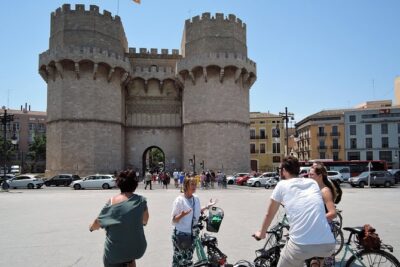
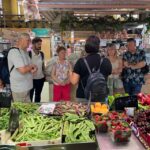
The experience begins at Russafa Market Brown Gate, and the market walk matters more than you might expect. Instead of treating paella ingredients as an abstract list, you get to see and select what the dish is built on, which helps you understand the logic behind the cooking.
This start also works as a social warm-up. Many people find the market segment an easy icebreaker because it pulls the group together right away—people can ask questions, point out products, and get comfortable with the pace of the session.
A practical note: you should assume you’ll do some walking and standing as part of the market portion. If you’re planning to go straight from another activity, wear shoes that can handle market floors comfortably.
You can also read our reviews of more shopping tours in Valencia
Brown Gate to the kitchen: tools, apron, and a clear game plan
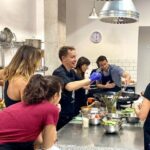
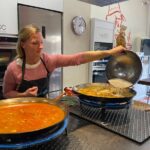
Once you move from the market to the cooking space, the class shifts into practical mode. You’ll be provided with kitchen tools and an apron, plus the session includes starters and the parts you need to finish the meal as part of one coordinated flow.
The structure is simple: ingredient sourcing first, then preparation and cooking, then tasting what you made. That matters for value, because you’re not paying just for access to a pan—you’re paying for the full sequence from ingredients to finished paella.
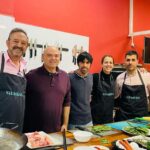
The instructors (Spanish, English, and French) also keep the lesson accessible. Hosts like Ramón and Jordi are repeatedly described as friendly and energetic, with a teaching style that makes it easy to jump in and not feel like you’re on the outside.
Making Valencian paella: the part you’ll actually remember
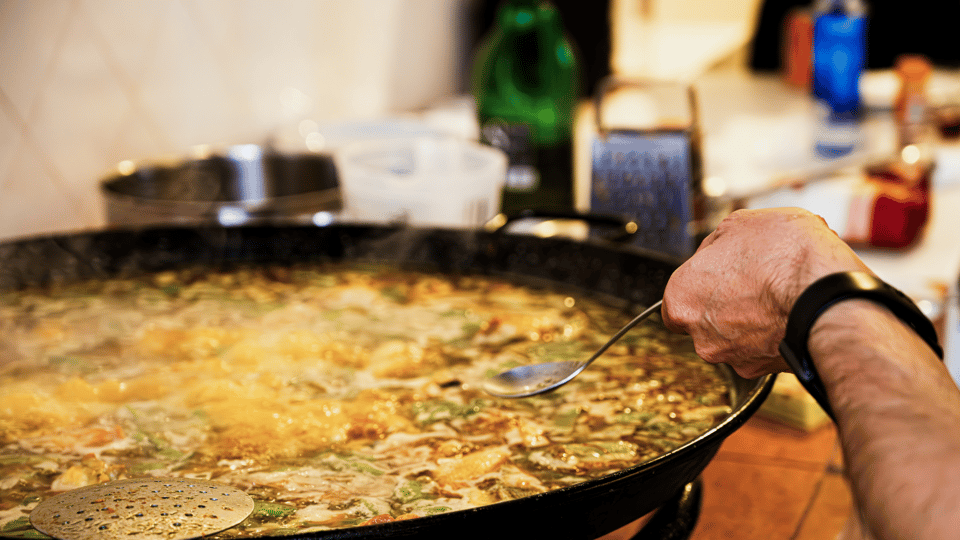
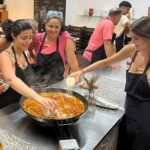
The headline is, of course, making your own Valencian paella. This isn’t the kind of class where you stand back while someone else does everything. You’ll work with the cooking process, and the tips and tricks are meant to help you understand what to do and why you’re doing it.
From the way the class is described, the most helpful instruction isn’t just timing—it’s decision-making. You’re learning what matters in paella cooking so that when you make it at home, you aren’t stuck guessing.
And because the experience includes a recipe, you’re not limited to memory tricks. You’ll leave with a guide you can follow later, which is a big deal if your goal is to cook paella again for friends and family, not just experience it once.
The sangria + tapas setup: how the tasting fits the cooking
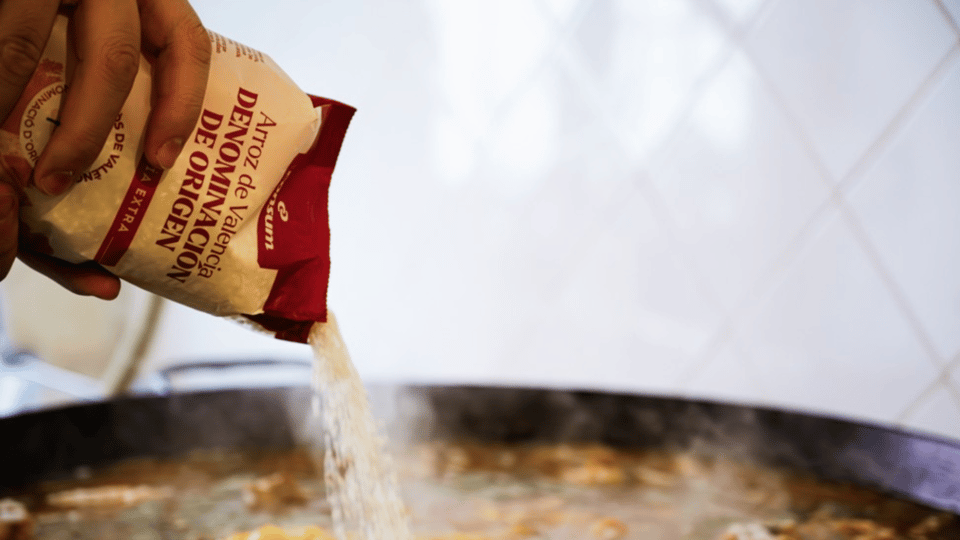
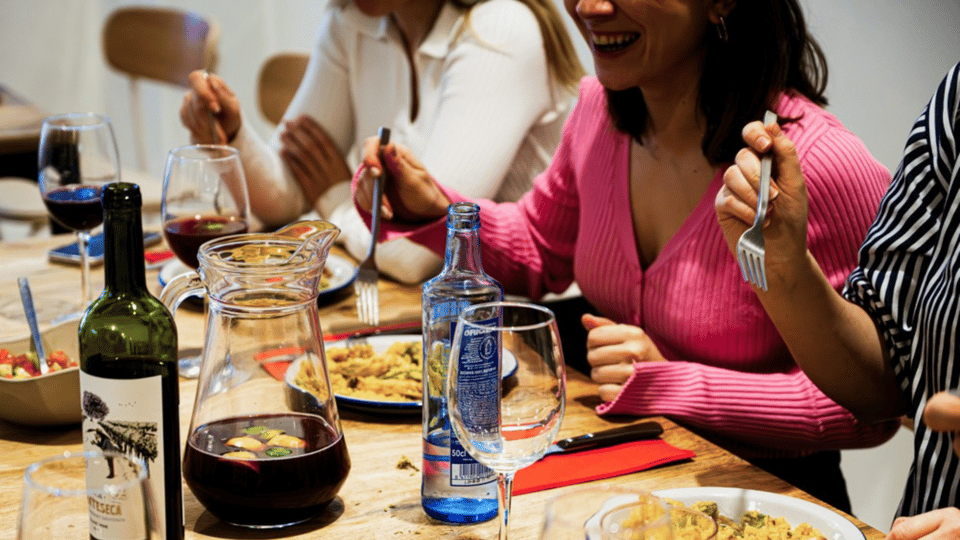
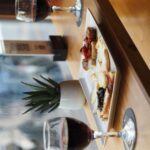
One reason this workshop gets high marks is the way food and drink are integrated. While your paella is cooking, you’ll have sangria and an aperitif tapa, plus included starters. It keeps the session enjoyable instead of waiting in silence for the pan.
Sangria is also taught as part of the experience. Hosts like Ramón are credited with sharing tips for both cooking and crafting sangria, and people often call out the sangria as a standout.
For you, this translates into a smoother experience. You’re not stuck with a single long “cook and wait” stretch; you’re eating as the work happens. It’s a small touch that makes the class feel like a full afternoon plan rather than a demo followed by a meal.
What you learn beyond the recipe
A good cooking class changes how you shop and cook afterward. This one aims for exactly that, because you start with real ingredients at the market, then learn the cooking logic in context.
The lesson also includes recipe tips and tricks, which is where many classes are either helpful or disappointing. Here, people mention specific ingredient and cooking guidance, and the vibe is that the instructor explains enough for you to adapt—not just copy.
Another benefit: the group setup gives you chances to contribute. People describe a friendly, relaxed environment where everyone can get involved. That reduces the stress of cooking in front of others and makes the class feel more like learning with a team than performing for a teacher.
You can also read our reviews of more tours and experiences in Valencia
Value check: is $64 for 3 hours actually worth it?
At $64 per person for a 3-hour experience, the value comes from what’s bundled together. You’re not just getting instruction—you get:
- Market ingredient purchasing as part of the flow
- Tools and apron
- Recipe and tips you can use again
- Starters, sangria, and tapas
- The paella you cook as part of the meal
That combination matters because paella ingredients, kitchen access, and a hosted meal can add up quickly if you plan it on your own. And since the class ends back at the meeting point, you’re not dealing with half-day logistics that require extra transport planning.
If your priority is a quick restaurant lunch, you may decide it’s not your thing. But if your priority is taking something home—skills plus a recipe—this is the kind of “pay once, repeat later” experience that makes sense.
Timing and language: who the class fits best
The session lasts 3 hours, with starting times depending on availability. People describe it as a good option for a late morning or early afternoon slot, which is useful if you want your Valencia food day to feel intentional but not all-day long.
Language support is also a plus: the instructor team speaks Spanish, English, and French. That helps if you’re traveling with mixed-language friends or if you want to follow instructions without constantly translating in your head.
Who it’s best for:
- You want an authentic food activity beyond tasting
- You’re curious about Valencian gastronomy and the ingredient choices behind it
- You’ll enjoy a small-group workshop format with social energy
It’s likely less ideal if you prefer silent, seat-based dining where you never touch food prep. This is active by design.
How the session usually feels in real life
The tone matters, and the consistent theme is relaxed friendliness. Hosts like Ramón and Jordi come across as energetic and story-driven, mixing cooking guidance with context about paella and its ingredients.
If you like learning while staying comfortable, this style works. People mention that the session makes it easy to participate, laugh, and not worry about being a beginner.
You also get a built-in “memory aid”: you’re making the dish step by step with the same people who are teaching you. That’s a better retention strategy than watching a video later.
Should you book this Valencia paella workshop?
I’d book it if you want more than a meal. This is one of those rare classes where the market start, the cooking instruction, and the included tasting all connect into a single experience. The recipe and tips are especially useful if you plan to cook paella at home, not just take photos.
I’d skip it if you’re trying to keep things low-effort. If your ideal Valencia afternoon is wandering and eating, and you don’t want to be hands-on at a cooking station, a traditional restaurant might match your mood better.
FAQ
Where do I meet for the paella cooking experience?
You meet at Russafa Market Brown Gate, and the activity ends back at the same meeting point.
How long is the experience?
The duration is 3 hours (starting times depend on availability).
What is included in the price?
The price includes kitchen tools, an apron, a recipe, tips and tricks, starters, a drink, and paella.
Do I shop for ingredients as part of the activity?
Yes. You buy the ingredients needed for the paella at the Russafa market during the experience.
What languages are the instructors?
The instructor speaks Spanish, English, and French.
Is the class wheelchair accessible?
Yes, the activity is wheelchair accessible.
Can I cancel if my plans change?
Free cancellation is available up to 24 hours in advance for a full refund.