REVIEW · TOUR REVIEWS
Valencia: Fallas Tour
Book on GetYourGuide →Operated by DescubreValencia · Bookable on GetYourGuide
Fallas in Valencia looks best from street level, not from a museum. This 2.5-hour walking tour brings you to major Fallas displays across the city while an expert guide explains the history, the street rituals, and what you’re actually looking at. I especially like that you’re guided through famous stops like Falla Ayuntamiento and the more specific neighborhood-style displays such as Falla Convento Jerusalén. The drawback to keep in mind is that Fallas is crowded, and rain (like one guide handled smoothly) can make the walk a bit more challenging than the postcard version.
One more thing that can affect your experience: the audio setup. A few people noted occasional issues with headsets in noisy conditions, so if you’re the type who hates missing details, come ready to ask questions and keep an eye on the audio gear.
In This Review
- Key things I’d bet you’ll notice
- Fallas on foot: why this tour feels smarter than wandering
- Where you start (and how the route actually guides your day)
- Stop 1: Falla Convento Jerusalén and the festival’s local clues
- Stop 2: Falla Ayuntamiento and why the center matters
- Stop 3: Falla El Pilar or Na Jordana and the neighborhood perspective
- The viewpoint stop: a 30-minute pause that’s worth it
- The guide and languages: hearing the story, not just the site
- Food and tickets: plan your own way through the festival day
- Price and value: why $21 can work (if you want context)
- Weather and crowd reality: how to set yourself up for a smooth walk
- Who this tour fits best
- Should you book Valencia: Fallas Tour?
- FAQ
- Where is the meeting point for the Valencia Fallas tour?
- How long is the tour?
- When does this tour run?
- What Fallas locations will we visit?
- What is included in the price?
- Is food included?
- Are transport or tickets included?
- What languages are available for the tour guide?
- Is the tour wheelchair accessible?
Key things I’d bet you’ll notice
- UNESCO-recognized Fallas explained with a local, guide-led storyline, not just photos and guessing.
- Visits to multiple major Fallas sites including Falla Convento Jerusalén and Falla Ayuntamiento.
- You get a real walking feel for Valencia, starting around Bullring Square and ending near Plaça del Portal Nou.
- A planned viewpoint stop gives you a breather and a different angle of the city.
- Tour support in Spanish, English, and Italian, with a wheelchair-accessible route.
Fallas on foot: why this tour feels smarter than wandering
The Fallas Festival can be overwhelming fast. You’ll see big art, smoke, speeches, music, and last-minute changes, all in the same few streets. This tour helps you make sense of it by walking with an expert who connects what’s in front of you to why it exists.
I like that the tour isn’t just about the biggest names. It includes major street monuments such as Falla Convento Jerusalén, Falla Ayuntamiento, and Falla El Pilar or Na Jordana, so you can compare different flavors of the festival in a short window. If you only pick one area and hope for the best, you risk missing how the city tells different stories through different Fallas.
The second reason this works is pacing. In just 2.5 hours, you get multiple stops plus a dedicated viewpoint segment (about 30 minutes). That structure matters in March, when the festival schedule and crowd levels can change quickly.
You can also read our reviews of more tours and experiences in Valencia.


Where you start (and how the route actually guides your day)
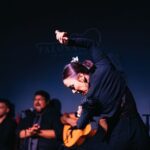
Your tour meets at Bullring Square, near the ticket office. From there, you head into the city on foot, using Valencia’s streets as your timeline for the festival. The activity details also list C/ de Xàtiva, 26 as a starting point and Plaça del Portal Nou (46003 València) as the finish, which fits the idea of a route that moves you through the core of town and ends near another busy public square.
This is one of those tours where you’ll feel the difference between “I’m sightseeing” and “I’m being oriented.” The guide points out things you might skip if you’re just scanning for the next big display: street art, local references, and festival details that take a few seconds to clock.
Practical note: plan for normal walking comfort. The tour is built for short legs and quick turns between monuments, so comfortable shoes aren’t optional.
Stop 1: Falla Convento Jerusalén and the festival’s local clues
One of the first major displays on your route is Falla Convento Jerusalén. Even if you don’t know a lot about Fallas going in, this stop is useful because it puts you in a “story mode.” The guide’s job here is to help you read the symbolism—what looks decorative often has a specific meaning, and what looks plain can have a role in how the neighborhood participates.
This is also where you’ll start noticing how Fallas isn’t a single style. Some displays lean more toward theatrical composition, while others feel more tied to specific streets and community points of view. Having an expert with you helps you spot those differences instead of treating every monument like it’s the same theme in a different font.
Value for your time: you’re not only seeing a Fallas; you’re learning how to look at Fallas.
Stop 2: Falla Ayuntamiento and why the center matters
Next up is Falla Ayuntamiento. This is the kind of stop that benefits from the guide’s context. City-center Fallas tend to draw attention for their scale and public visibility, which means they often reference the kind of conversations a big city can’t avoid—identity, politics, social topics, and the sheer spectacle of civic life during festival days.
You’ll get a front-row education in what makes the festival feel like a Valencia event rather than just a single attraction. The guide also helps you understand how traditions and history connect to how people celebrate in the present tense.
One practical bonus: being guided here means you’re more likely to catch the details that matter. In crowded areas, the temptation is to look from afar and move on. A guide slows you down in the right way.
Stop 3: Falla El Pilar or Na Jordana and the neighborhood perspective
Your itinerary includes Falla El Pilar or Falla Na Jordana. That “or” matters because it signals flexibility based on what’s active and accessible during the days you go. Either way, the goal is the same: you shift from the city-center feel into a different mood.
Neighborhood-facing Fallas can feel more intimate. The street art around them, the way people gather nearby, and the local references tend to land differently than at the most central monuments. If you love the idea of seeing how a festival changes block to block, this is the part of the tour that usually hits hardest.
A useful expectation-setting detail: the guide will point out the abundance of street art as you move, so don’t treat this as a pure monument-hopping route. It’s also a way to learn what Valencia is like when the city is speaking through walls, not just through buildings.


The viewpoint stop: a 30-minute pause that’s worth it
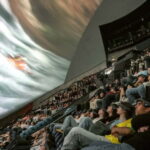
About halfway through the route, you’ll reach a viewpoint stop where the guide-led time is around 30 minutes. Even without additional specifics, this kind of break is a smart design choice in a festival week. It gives you time to regroup, catch your breath, and reset your eyes for the next stretch.
I like viewpoint stops because they also change your understanding. From a distance, you can read the city layout and the street flow. Then when you walk back in close, the details make more sense.
If it’s raining, this is also where the tour can feel more pleasant because you’re not continuously moving through slippery patches. That said, still come ready for March weather and pack your patience.
The guide and languages: hearing the story, not just the site
The tour includes a local guide, and you’ll have language options: Spanish, English, and Italian. A guide makes a real difference with Fallas because the festival is full of references that are hard to decode on your own—especially when everything is happening at once.
One specific highlight from real-world experience: a guide named Maria was praised for keeping the tour fun even when the weather turned rainy. That’s exactly what you want in March: the ability to turn less-than-ideal conditions into good momentum.
Audio tip (because noise during Fallas is real): a few people reported issues with audio headsets, with occasional trouble hearing over ambient sound. If that kind of thing would stress you out, keep your questions ready, watch the guide’s cues, and don’t be shy about asking them to repeat key points.
Food and tickets: plan your own way through the festival day
This tour is guide-focused, and that’s the point. It’s priced for the walking and the explanations, not for meals or entry tickets. Food isn’t included, transport isn’t included, and tickets aren’t included.
That means you should time your eating intentionally. If you want a full Valencia Fallas day, I’d treat this tour like your first “orientation layer,” then decide where to eat afterward based on what you noticed on the walk—especially near whichever Fallas site you enjoyed most.
If you’re hungry during the walk, don’t wait for the tour to fix it. Bring water and a simple snack if that helps you keep your energy up, especially if you’re sensitive to long crowd walks.
Price and value: why $21 can work (if you want context)
At $21 per person for 2.5 hours with a local guide, this price can be a strong value—mainly because you’re paying for interpretation. Fallas isn’t just visual. Without someone to explain the history and traditions, you often end up standing in front of a monument and guessing.
Here’s how to judge value for yourself:
- If you want the why behind the festival, the guide-led format earns its keep.
- If you already know Fallas deeply and you just want photos, you might feel like you’d rather spend your time on your own route.
- If you expect a huge number of stops, note that the tour focuses on key monuments in a tight walking window rather than an exhaustive crawl across every neighborhood.
Also, because the tour is only “guide included,” you’ll spend a bit more on your own choices like transport and meals. Still, the core experience is built to fit into a realistic plan without needing extra add-ons.
Weather and crowd reality: how to set yourself up for a smooth walk
Fallas week is famous for crowds, and your group may feel large depending on the day. One concern raised was that the group size could feel big relative to the crowd level. That can reduce how much you hear or how quickly you can ask questions.
So here’s the practical fix: arrive early enough that you can find a comfortable spot near the front of the group. If audio headsets are offered or used, keep them in working order and don’t ignore small issues—switching devices or asking for help fast matters when the streets are loud.
Weather-wise, you might get rain. One real experience noted a guide handling rainy conditions with good energy, which tells me the route can continue even when skies aren’t perfect. Still, bring the basics: a light rain layer and shoes that won’t punish you on wet sidewalks.
Who this tour fits best
This is a great match if:
- You want a first-time-friendly way to understand Fallas beyond the obvious visuals.
- You like walking tours where a guide points out the story behind the street scenes.
- You’re traveling with mixed interests—history and art, but also practical food tips.
It’s also a good option if you care about accessibility. The route is listed as wheelchair accessible, which is a major plus for people planning March outings.
If you’re the type who hates crowds and wants space at every stop, you might find the festival atmosphere a bit intense—so go in with realistic expectations and pick your spot within the group carefully.
Should you book Valencia: Fallas Tour?
Book it if you want fast context and clear guidance through major Fallas locations during March 16–19. The local guide, multiple key monuments, and a viewpoint break make it a solid way to see Valencia’s Fallas spirit without spending your day reading signs like a detective.
Skip it (or look for a different style of tour) if you mainly want to roam freely, you already understand Fallas well, or you’re very sensitive to audio hiccups in loud settings. In that case, you may prefer a self-guided plan built around your own photo priorities.
If you fall in the middle—curious, time-limited, and eager to understand what you’re seeing—this is one of the more straightforward ways to do it.
FAQ
Where is the meeting point for the Valencia Fallas tour?
The tour meets at Bullring Square near the ticket office.
How long is the tour?
The duration is 2.5 hours.
When does this tour run?
It takes place during the Fallas Festival from March 16 to March 19.
What Fallas locations will we visit?
You’ll visit major Fallas stops such as Falla Convento Jerusalén, Falla Ayuntamiento, and Falla El Pilar or Na Jordana.
What is included in the price?
A local guide is included.
Is food included?
No. Food is not included.
Are transport or tickets included?
No. Transport and tickets are not included.
What languages are available for the tour guide?
The guide is available in Spanish, English, and Italian.
Is the tour wheelchair accessible?
Yes, the tour is listed as wheelchair accessible.