REVIEW · WALKING TOURS
Small-Group Medieval Valencia Walking Tour – Licensed Guide
Book on GetYourGuide →Operated by Integra-T Experience · Bookable on GetYourGuide
Valencia’s medieval past walks right beside you. I like how the tour uses a licensed local guide to keep the story clear, and I like the small-group feel that doesn’t turn into a race through the streets. It’s built for people who enjoy history with real explanations, plus a bit of personality.
One thing to plan for: this is a history-first route at a relaxed pace. If you want heavy food stops, shopping, or nonstop entertainment, you may find it slower than you expected.
In This Review
- Key highlights to look forward to
- Entering the old town at Plaça de la Verge
- Getting the big picture from the first viewpoint (15 minutes)
- Portal de Valldigna: when gates become history lessons (20 minutes)
- A short detour for a quieter perspective (10 minutes)
- Torres de Serranos: seeing defense as part of daily life (10 minutes)
- Another viewpoint pause (15 minutes): tying landmarks together
- Valencia Cathedral: the Christian era seen through one stop (15 minutes)
- Llotja de la Seda: why the Silk Exchange closes the story (20 minutes)
- The price makes sense: $14 for a guided timeline
- The story thread: what you learn beyond the buildings
- Who this walking tour suits best
- Should you book the Small-Group Medieval Valencia Walking Tour?
- FAQ
- FAQ
- How long is the medieval Valencia walking tour?
- What does the tour cost?
- Where do I meet the guide?
- Where does the tour end?
- What languages is the tour offered in?
- Is the tour wheelchair accessible?
- What’s included in the ticket?
- Is food included?
Key highlights to look forward to
- Roman to Islamic to Christian timeline in one walk: you’ll follow how Valencia changed after major conquests and rule.
- Licensed guide with tablet support: maps shown on an iPad help make the sequence of events easier to track.
- Architecture as a story tool: you won’t just see buildings; you’ll connect them to power, faith, defense, and daily life.
- Valencian sayings and local anecdotes: the guide’s storytelling makes the city feel lived-in.
- Silk industry legacy at the finale: the tour ends at the Silk Exchange, tied to an industry with more than 5000 workshops.
Entering the old town at Plaça de la Verge
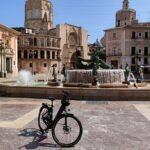
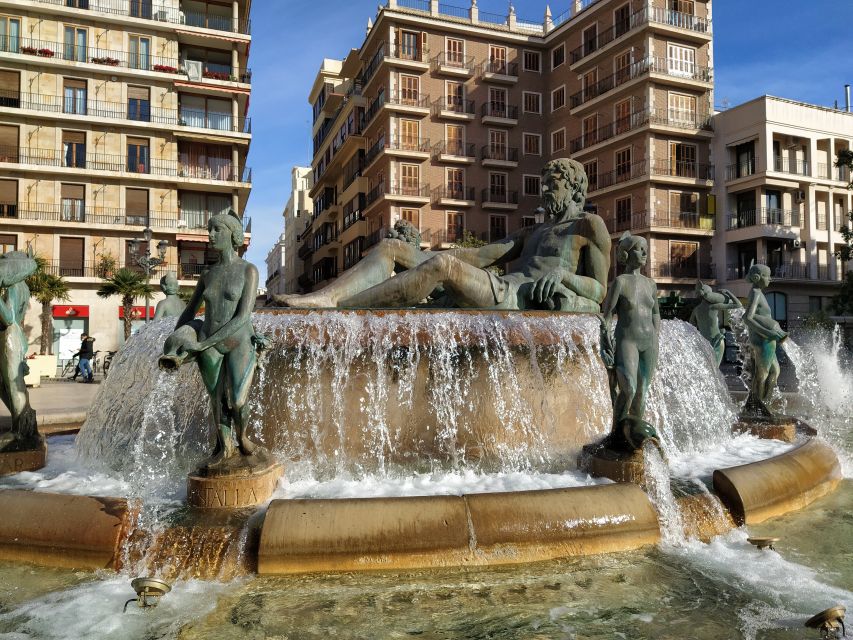
This starts in the heart of the historic center at Plaça de la Verge, 6. You’ll meet an Integra-T Experience guide holding a tablet with a sign that says Medieval Tour. The meeting point is between a fountain and the Basilica in a pink church area, so it’s pretty easy to orient once you’re there.
What I like about beginning here is that it helps you get the logic of the route fast. You aren’t just wandering from landmark to landmark. You’re starting at a natural gathering point where the guide can set the timeline, explain what you’re about to see, and teach you how to read the city like a map.
The tour lasts about 2 hours, and you’re moving at a calm walking pace. That matters in Valencia because the city center can be visually dense. A relaxed pace keeps the stops meaningful instead of feeling like a checklist.
You can also read our reviews of more walking tours in Valencia
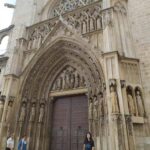
Getting the big picture from the first viewpoint (15 minutes)
Right after the start, there’s a view point stop for about 15 minutes. This is where the guide’s job is most important: give you the framework before you zoom in on details.
You’ll typically use this kind of pause to understand how the medieval city is laid out, and how today’s streets connect to older patterns. It’s also a good moment to ask quick questions—especially if you’re the kind of traveler who likes to know where the story is going next.
If you’re prone to getting information overload early, this is still a good start. The timeline is explained in steps, not dumped all at once.
Portal de Valldigna: when gates become history lessons (20 minutes)
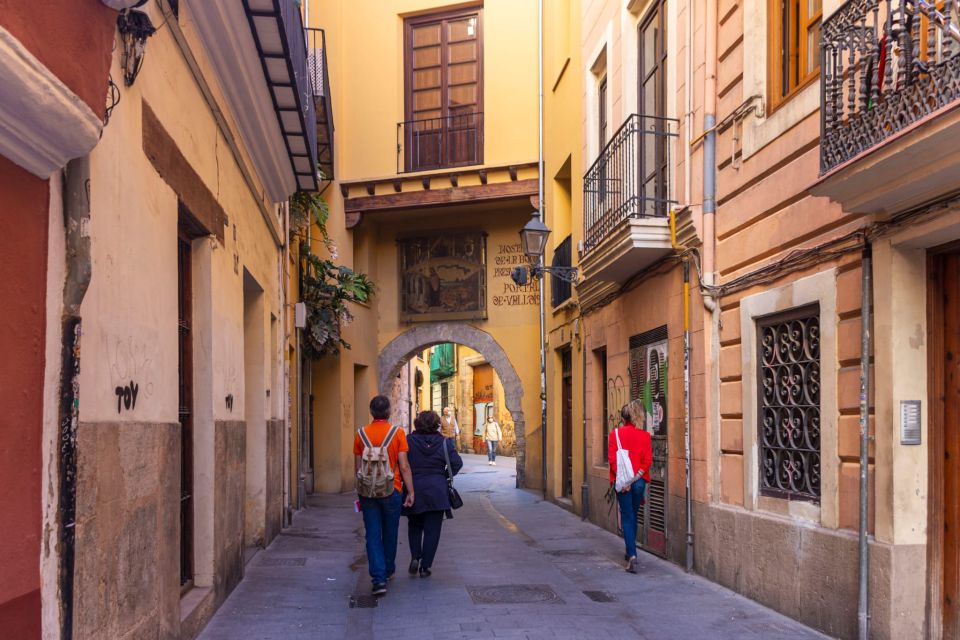
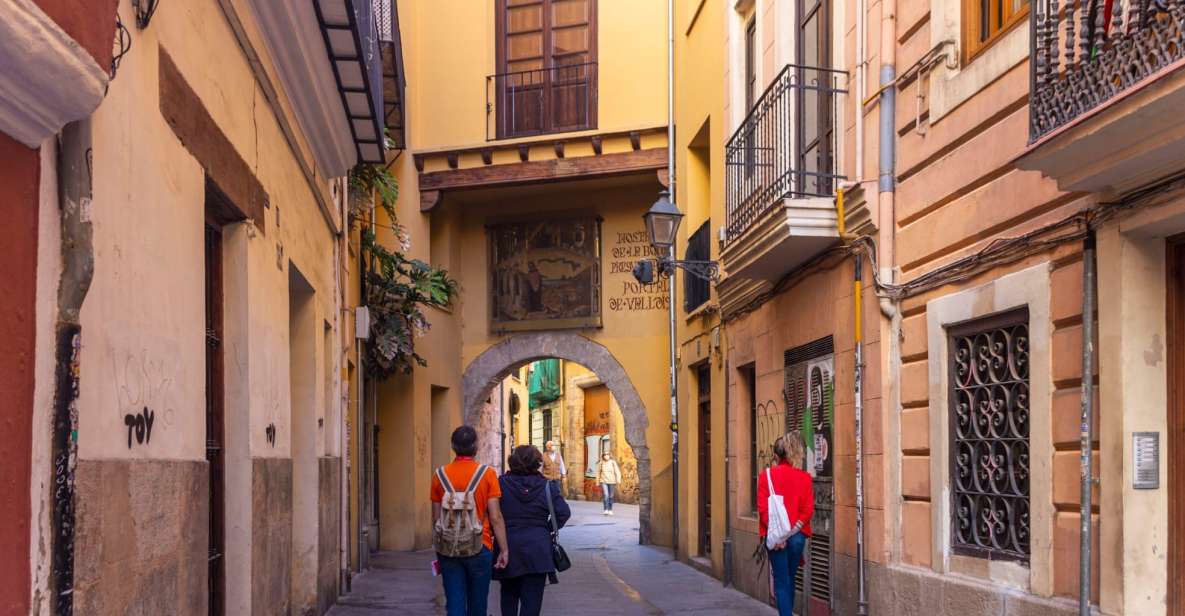
Next comes Portal de Valldigna, with a longer stop of around 20 minutes. This is a great place for a walking tour approach because portals and entry points are where the city’s “who’s in charge” story becomes visible.
In this tour, the guide links Valencia’s changes to different eras—starting after the Fall of the Roman Empire, then moving into what happened when the Muslims conquered the region. That shift is presented as more than politics. You’ll hear about how culture and agriculture developed, and how defensive architecture shaped the city.
So even if you’re not an architecture nerd, this stop can still click. It turns a gate into a clue: what a society prioritizes shows up in the walls and entrances.
One practical note: because this is an older part of town, you’ll likely be looking up and around. Wear shoes that handle uneven sidewalks comfortably.
A short detour for a quieter perspective (10 minutes)
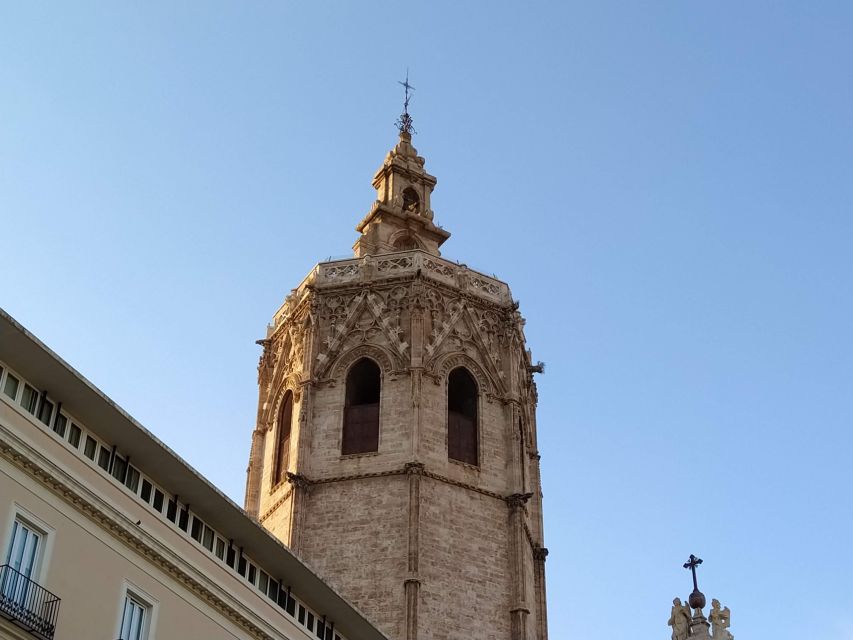
After Portal de Valldigna, there’s a 10-minute walk to a smaller, less-obvious corner. This part is brief on purpose. The goal isn’t another big monument; it’s a reset—time to slow down and notice details before the next major landmark.
I like these short segments because they break up the tour energy. They also give you a chance to absorb the “why” behind the route. When every stop is a major sight, you can miss how medieval cities actually worked: moving between civic spaces, religious areas, trade zones, and defense points.
If you’re someone who loves wandering, this is where you’ll probably feel most comfortable. Just keep following the guide—some of the meaning here is in the explanation, not just the street view.
Torres de Serranos: seeing defense as part of daily life (10 minutes)
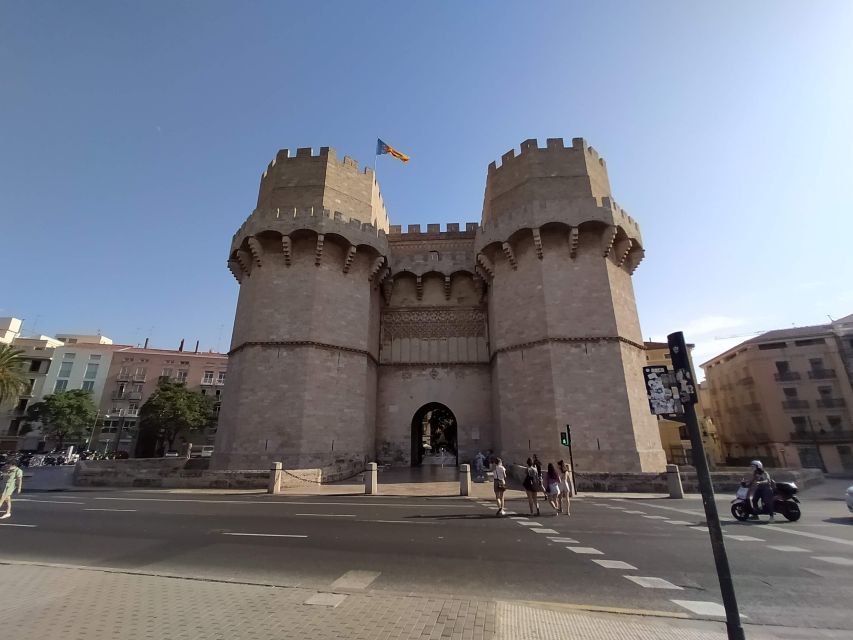
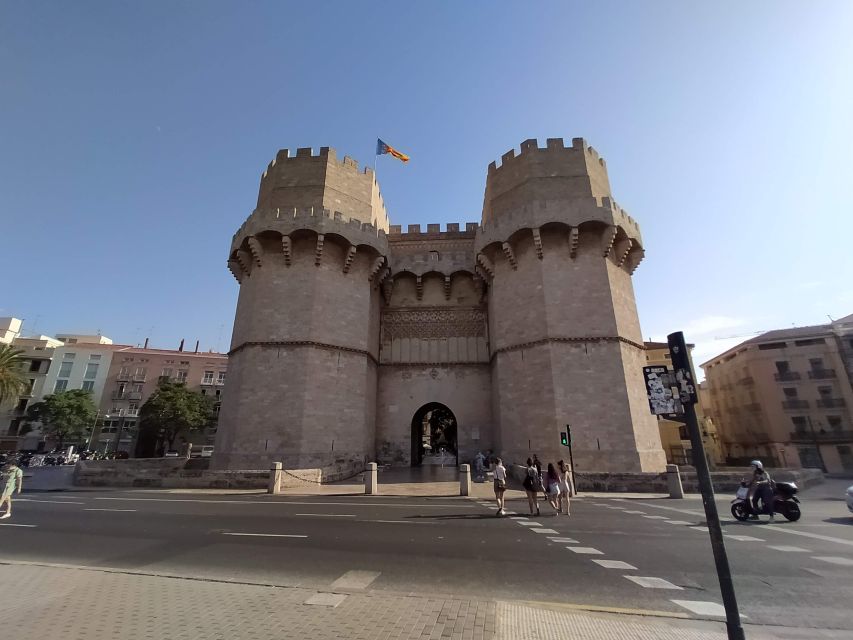
Then you reach Torres de Serranos for about 10 minutes. In the tour’s storytelling, this kind of structure fits the theme of defensive architecture—how Valencia protected itself and projected strength.
Even without technical details, this stop can be powerful because towers and gates are physical reminders that the medieval city had to plan for conflict and control. The guide uses these landmarks to connect eras to the built environment, so you’re not left wondering why you’re standing in front of a tall structure.
You’ll also likely get a mix of visual and verbal information here: what to look for, how it connects to earlier changes in Valencia, and how later developments built on the earlier layers.
You can also read our reviews of more guided tours in Valencia




Another viewpoint pause (15 minutes): tying landmarks together
After Torres de Serranos, there’s another view point stop for about 15 minutes. This is another place where the guide can help you connect the dots.
If the first viewpoint helped set the framework, this one helps you test your understanding. You’ll probably get a clearer sense of how the walking route traces Valencia’s evolution—especially as you move toward Christian-era landmarks like the Cathedral and toward the city’s commercial power at the Silk Exchange.
This is also a good timing moment to take a breath. The tour stays calm, but you still want your legs to feel good for the final stretch.
Valencia Cathedral: the Christian era seen through one stop (15 minutes)
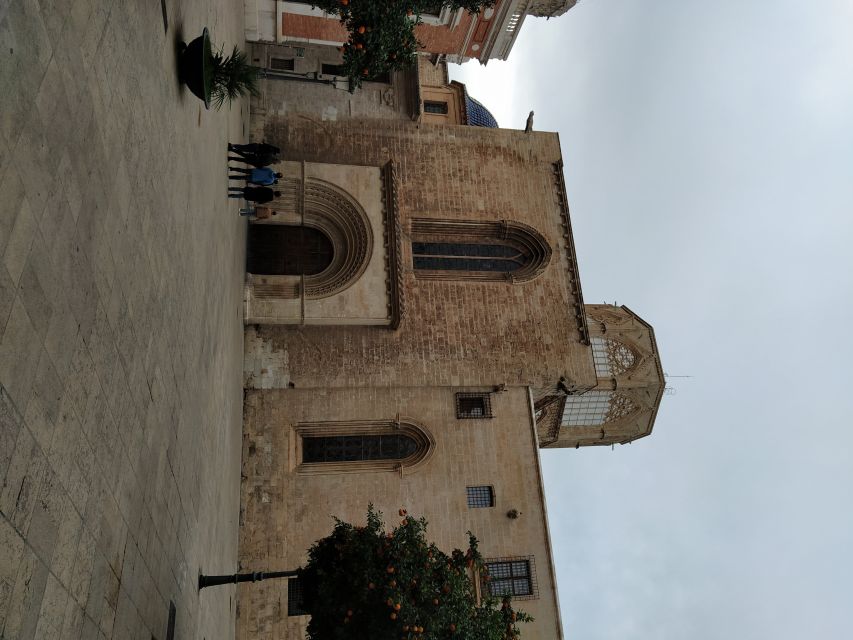
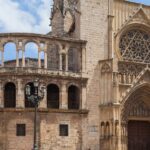
Next is Valencia Cathedral, with about 15 minutes for guided viewing. In this tour narrative, the Cathedral sits within the story of the Christian Reconquest and the splendor that followed.
This isn’t just about admiring a famous building. The value is in how the guide frames it: how religious power, major families, and big public spaces reshape what the city becomes. The tour description explicitly points you toward learning about great families, authors, buildings, and how they fit into the kingdom of Valencia.
So you’ll likely walk away with more than a photo. You’ll understand how one landmark reflects a larger shift.
Drawback to consider here: if you’re hoping for a long, slow cathedral visit with lots of time inside, this tour gives it a focused stop rather than an extended exploration. That’s the tradeoff for fitting the medieval arc into a tight 2-hour experience.
Llotja de la Seda: why the Silk Exchange closes the story (20 minutes)
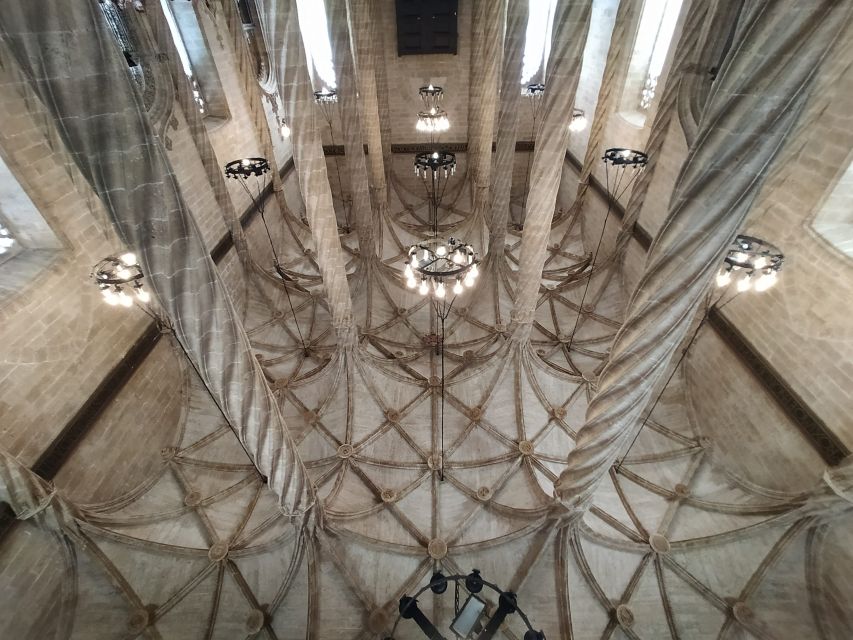
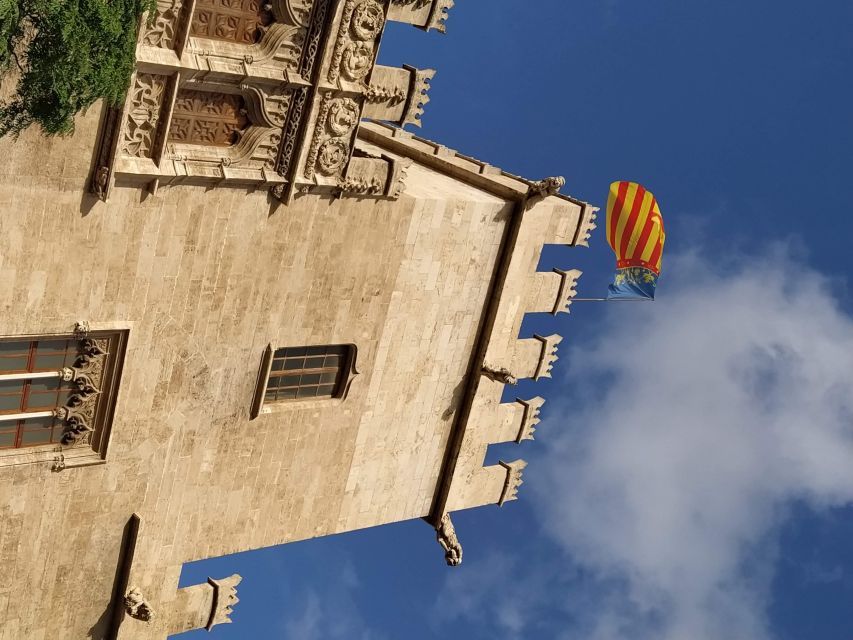
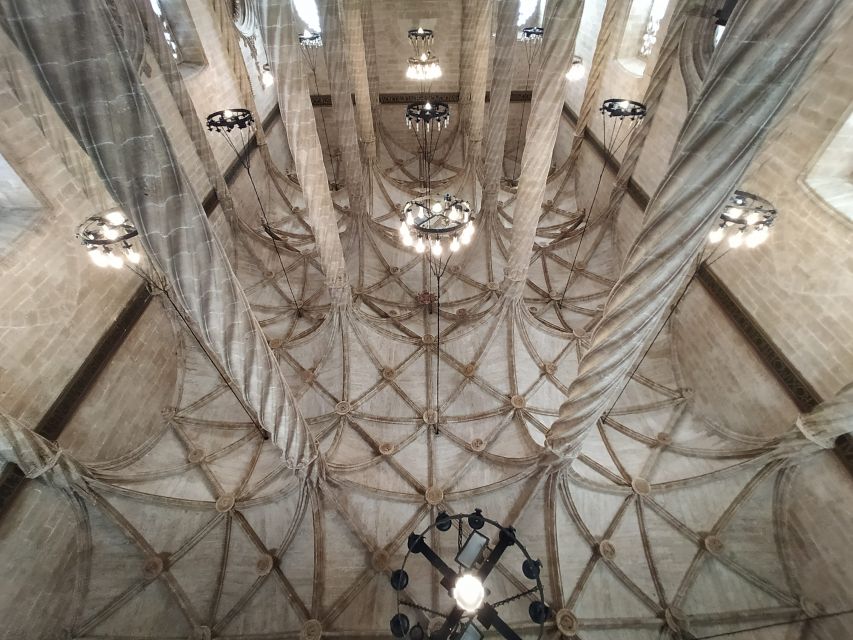
The grand finale is Llotja de la Seda (also explained as Lonja de Mercaders, the Silk Exchange Market building), with around 20 minutes. This is where the tour pays off big.
The key theme is silk industry legacy: the guide highlights Valencia’s role as a silk powerhouse with more than 5000 workshops. If you like history tied to real economics, this stop is likely your favorite. It’s where the story shifts from rule and defense into trade, wealth, and craft.
And the way the tour is structured—ending at this building—matters. You leave with a sense that medieval Valencia wasn’t only about monuments and rulers. It was also about production, business networks, and the people who made the city’s money move.
If you want to keep the energy going after the tour, ask the guide for a local follow-up recommendation. In the past, guide David has pointed people toward a good post-walk meal spot—Pelayo Gastro Trinquet—for a Valencian paella in the old town area.
The price makes sense: $14 for a guided timeline
At $14 per person for about 2 hours with a licensed local guide, this is strong value—especially for a city like Valencia where many self-guided visits leave you piecing the story together alone.
Here’s what you’re really paying for:
- A structured narrative (Romans to Muslims to Christian reconquest to later developments)
- Interpretation of architecture and art, not just viewing
- Time saved: you’re not researching what to connect to what
- Small-group attention, so questions don’t get lost
This also helps explain the high satisfaction score (a 4.9 rating across 18 reviews). When the guide can explain complex timelines and use tools like tablet maps, a short tour becomes a meaningful orientation, not a rushed overview.
Is it the cheapest option? Sure, maybe. But at this price you’re buying something more useful than “someone walking you around.” You’re getting a guided story arc with key landmarks and themes.
The story thread: what you learn beyond the buildings
One reason I think this tour works well is that the explanation isn’t limited to dates and names. The tour frames Valencia as a city shaped by major transitions:
- After the Fall of the Roman Empire, Valencia changes.
- When the Muslims conquer, you see shifts in culture, agriculture, and city structure.
- After the Christian Reconquest, Valencia reaches another period of splendor.
- During this later phase, the tour connects Valencia to the arrival of printing and highlights a big idea: Valencia is presented as the place where the first book in the Iberian Peninsula was published, and that it was published in Valencian.
- The walk then returns you to the practical, civic side with the power of the silk economy.
That last part is why the Silk Exchange ending feels satisfying. A good medieval tour should end somewhere that makes the story make sense in human terms. Here, trade and craft become the final chapter.
Who this walking tour suits best
This is ideal for you if:
- You enjoy history and storytelling more than checklist sightseeing.
- You like a calm pace with time for questions.
- You want a guided explanation that helps you understand why monuments matter.
- You’re drawn to themes like culture change, defensive architecture, and the silk industry.
It may be less ideal if:
- You want a food-focused itinerary (this tour doesn’t include food and drinks).
- You want a long, inside-the-buildings style visit.
- You want an ultra-fast route where you barely stop.
Should you book the Small-Group Medieval Valencia Walking Tour?
If you’re doing Valencia for the first time, I’d strongly consider it. It’s a short, well-paced way to build a working understanding of medieval Valencia—so when you walk the city again on your own, you’re not seeing random old stones. You’re seeing a timeline.
Book it if you appreciate licensed guidance, small-group comfort, and a story-led route that ends at a genuinely meaningful landmark for how the city became wealthy. Skip it only if your ideal tour is mostly about food, nightlife, or super-long time inside each monument.
FAQ
FAQ
How long is the medieval Valencia walking tour?
It lasts about 2 hours.
What does the tour cost?
The price listed is $14 per person.
Where do I meet the guide?
Meet at Plaça de la Verge, 6. Look for an Integra-T Experience guide with a tablet and a sign that says Medieval Tour between the fountain and the Basilica (pink church).
Where does the tour end?
It finishes at Lonja de Mercaders, better known as the Silk Exchange Market building (Llotja de la Seda).
What languages is the tour offered in?
The live guide offers English and Spanish.
Is the tour wheelchair accessible?
Yes, the tour is wheelchair accessible.
What’s included in the ticket?
You get a guided walking tour in the old town of Valencia with a licensed local guide, focused on history and culture.
Is food included?
No, food and drinks are not included.