REVIEW · DINING EXPERIENCES
Traditional Spanish Home Dinner
Book on GetYourGuide →Operated by VSI Tour · Bookable on GetYourGuide
A real table beats a food tour every time. In Valencia, this traditional Spanish home dinner is built around family-hosted warmth and a proper paella-style main you can smell before it lands. You’re paying for an evening at a local table, not a loud restaurant lineup.
I especially like how the meal is structured for flavor, starting with tapas and moving into a main that gets the slow-cooked treatment, then finishing with a sweet dessert. One possible catch: the marketing says family-hosted, but in practice the dinner may be led by a chef-host setup rather than a purely Spanish household, so set your expectations around an intimate home setting with a guided team.
In This Review
- Key Highlights at a Glance
- A Valencian Home Dinner That Feels Like Someone’s Table
- Three Courses: Tapas, Paella-Style Main, and Dessert
- Cold tapas to start
- Paella-style main as the center of gravity
- Dessert to end the evening
- What the Host and Chef Setup Means for Your Evening
- Price and Logistics: Is $58 Worth It?
- Timing in a 3-Hour Table (and Why It Matters)
- The Flavor Story You’re Really Paying For
- Conversation and Language: What You Can Expect
- Who This Home Dinner Suits Best (and Who Should Think Twice)
- Before You Go: Make It Easier to Enjoy
- Should You Book This Traditional Spanish Home Dinner?
- FAQ
- How long is the Traditional Spanish Home Dinner?
- Where does the dinner take place?
- What’s the price per person?
- What’s included in the dinner?
- Is hotel pickup or drop-off included?
- How large is the group?
- What languages are available with the host or greeter?
- Is the venue wheelchair accessible?
Key Highlights at a Glance

- Small group (up to 10 people) for a calmer table and easier conversation
- 3-course dinner with tapas first, then a paella-style main, and a dessert finish
- Drinks included, so you can relax and focus on the food
- Local-market style ingredients and long-cooked paella reported as a standout
- Music and atmosphere that keep the evening from feeling staged
- Wheelchair accessible in the venue setup
A Valencian Home Dinner That Feels Like Someone’s Table
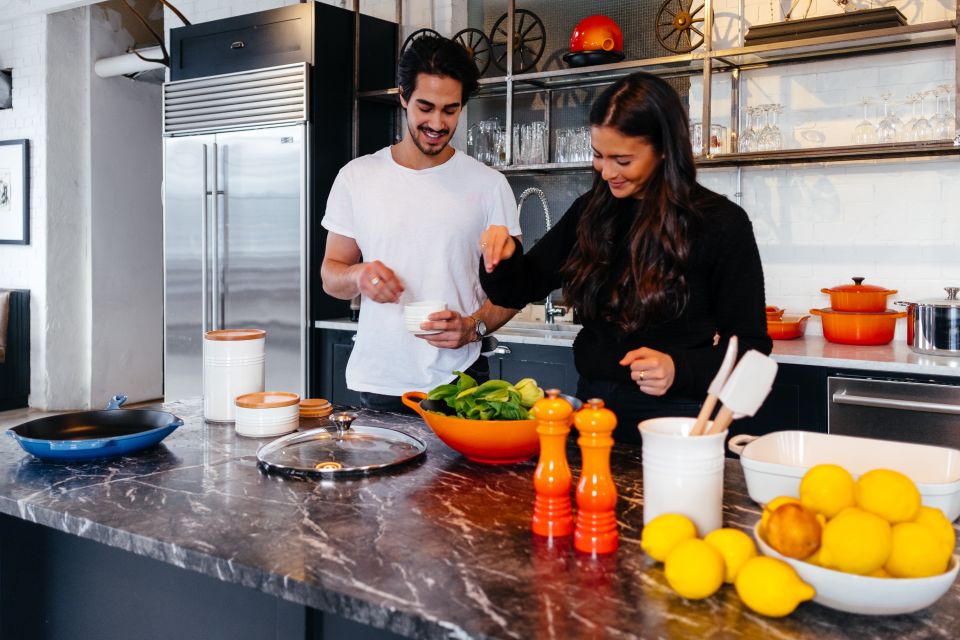
If you’ve ever eaten paella in a tourist strip and wondered where the “real” rhythm is, this is the kind of experience you’re looking for. In the Valencian Community, Spanish food is more than a menu item. It’s a social schedule—people linger, share, and talk while the kitchen does its work.
This event is scheduled for 3 hours, in a Spanish home-style setting, and it’s capped at 10 participants. That matters, because small groups make it easier to ask questions about dishes and ingredients without shouting across a dining room.
I also like that the pitch is clear about the vibe: take a bite and hay que comer para vivir, no vivir para comer. It’s a reminder that the point isn’t endless courses—it’s enjoying food as part of life, at a human pace.
You can also read our reviews of more tours and experiences in Valencia


Three Courses: Tapas, Paella-Style Main, and Dessert
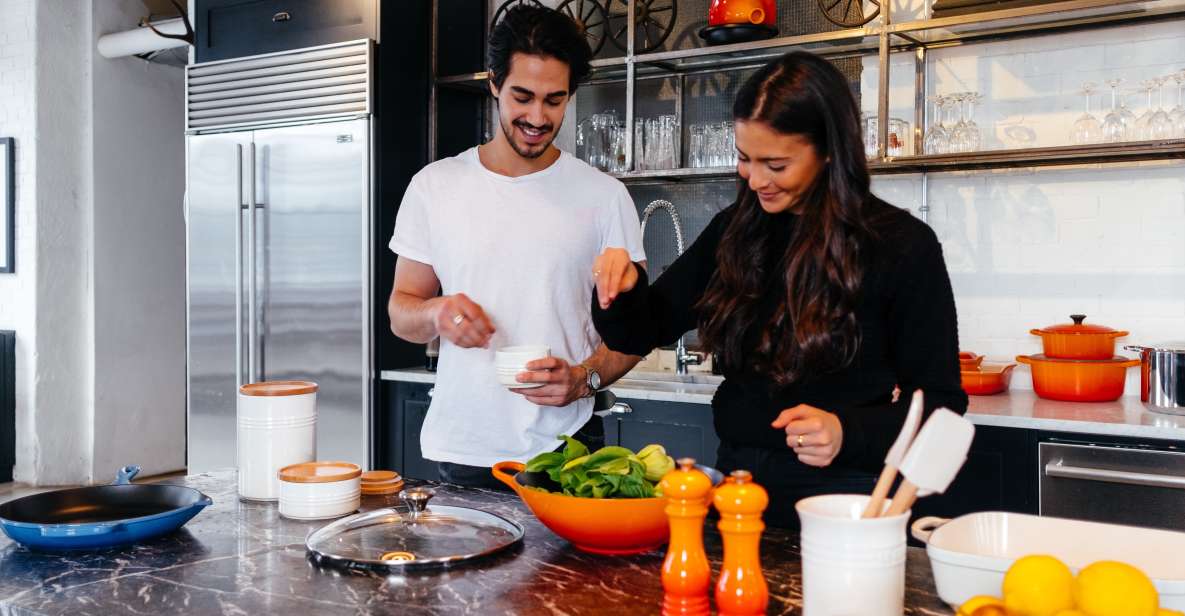
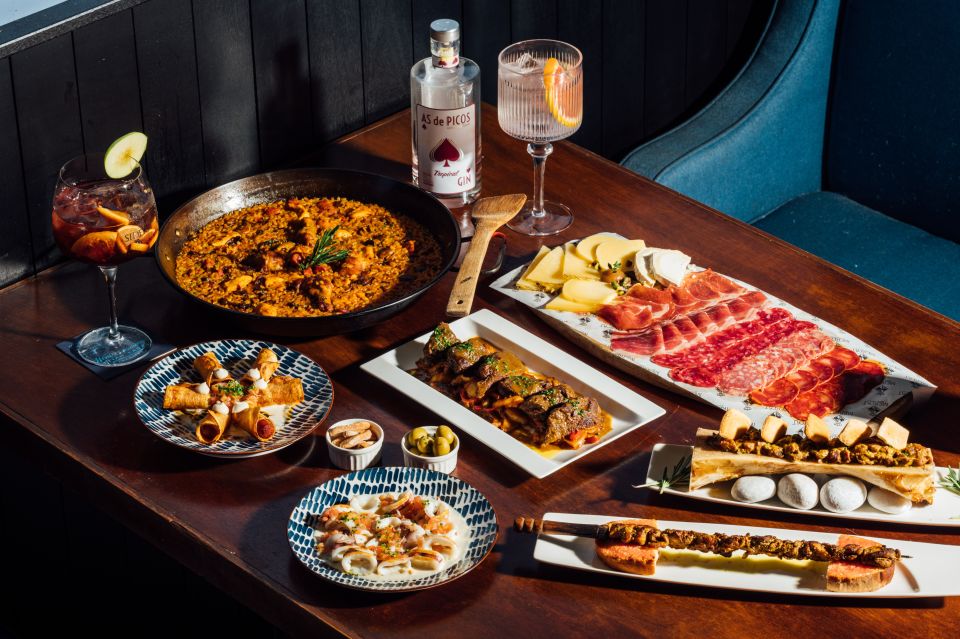
The dinner is served as a 3-course meal, with drinks included and dessert included. Expect the flow to be tapas first, then a paella-style main, then something sweet to close it out.
Cold tapas to start
The meal commonly begins with tapas, including cold items like paprika-focused bites. This starter style is great for two reasons. First, it gives you time to settle in and taste a few flavors before the heavier main arrives. Second, cold tapas often show off ingredient quality without needing much explanation.
Paella-style main as the center of gravity
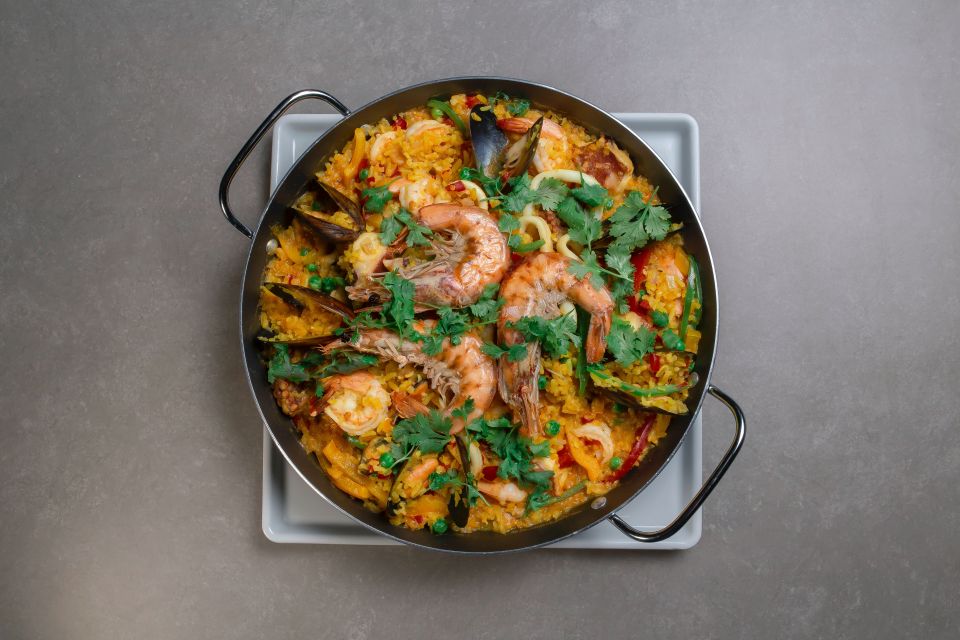
The main course is a paella-style dish. Based on how the experience is described, the goal is freshness and time—paella-style cooking done properly takes attention, not just a quick reheating. If you’re coming for that Valencia pride, this is the moment of the evening.
A practical note: paella can be filling, so if you’re the type who always orders extra bread or sides elsewhere, pace yourself here. You want to enjoy the last bites at the table, not fight the final course.
Dessert to end the evening
Dessert comes after the main, and it’s part of what makes the meal feel complete rather than like a “one and done” snack stop. One thing I’d keep in mind: desserts may arrive while you’re still finishing up, so if you’re the slow-and-steady type, just know the pacing is gentle, not strictly timed to the last forkful.
You can also read our reviews of more tours and experiences in Valencia



What the Host and Chef Setup Means for Your Evening
This experience runs with a host or greeter team, and language options include Spanish, French, German, Lithuanian, and Portuguese. On top of that, the dinner is provided by VSI Tour, which helps explain why the service has a guided structure rather than a totally informal setup.
The biggest strength here is that you’re not just eating—you’re being brought into the rhythm. That includes small details like music and the kind of relaxed atmosphere that makes it easier to talk.
Now for the careful part: the name and description lean heavily into family-hosted language. But your real-world experience can be led by a chef-host or organizer rather than you literally sitting down with a Spanish family for every step. The upside is usually a consistent menu and a smoother flow. The downside is that if your top priority is meeting a Spanish family household as the main host, you may want to treat that as a “home-style team-led dinner” rather than a guaranteed family-only scenario.
Price and Logistics: Is $58 Worth It?
At $58 per person for a 3-hour home-style meal, the real question is value: what exactly are you buying?
You’re getting:
- A 3-course dinner
- Drinks included
- Dessert included
- A small group limit of 10
You’re not paying extra for hotel pickup and drop-off, and there’s no mention of add-ons required. You also skip the ticket line, which is a nice convenience even for a dinner, because it reduces waiting and keeps the evening start smoother.
So is it expensive? Compared with a basic plate at a casual place, yes. But compared with a guided dinner that includes courses and drinks, it can be reasonable—especially if the main dish is genuinely fresh and slow-cooked. My advice: think of it as paying for time, access, and a guided table, not just food.
If you’re a very light eater, you might feel the price more than a bigger appetite would. If you love tapas-to-paella pacing and want the home setting, it often lands more fairly.
Timing in a 3-Hour Table (and Why It Matters)
Three hours sounds long for “just dinner,” until you experience the difference between a home meal and a restaurant service clock. In this setup, the timing is designed around eating at a human pace: tapas first to get things moving, paella-style main as the centerpiece, then dessert when everyone has settled in.
One review detail that’s worth noting is that dessert may arrive while someone is still finishing earlier bites. That’s not necessarily a problem. It usually means the kitchen is working continuously and the night stays social rather than split into rigid checkpoints.
If you want to get the most out of the evening:
- Plan your other activities around an unhurried dinner window.
- Don’t schedule something right after that requires you to sprint.
- Treat conversation as part of the experience, since the group size is small enough for it.
The Flavor Story You’re Really Paying For
The core promise here is Spanish cooking with a Valencia connection, shaped by someone who’s traveled and then brought that experience back to Valencia. The dinner is presented as a way to taste not just dishes, but feelings—what a shared Spanish meal is supposed to feel like.
That theme shows up in how the menu is described:
- tapas that lead with immediate flavor
- paella-style cooking as the signature moment
- a sweet ending that keeps the mood relaxed
In other words, this isn’t a “food parade” where you sample one tiny bite and move on. It’s meant to be an actual meal that finishes well.
If you’re the kind of traveler who likes to understand what makes Spanish dishes Spanish—like spice blends, regional habits, and why paella-style cooking takes patience—this kind of dinner format gives you a better shot than a rushed, single-dish stop.
Conversation and Language: What You Can Expect
Language options are a real part of this experience. Your host or greeter may be Spanish, French, German, Lithuanian, or Portuguese. That’s helpful because it reduces the chance you’ll be left nodding politely through a menu you don’t understand.
Still, plan for conversation to vary. Small-group settings often work best when you can ask simple questions: What’s in this? How is that cooked? Why this first and not later? If your Spanish is basic, you can still enjoy the food. But if you’re hoping for long, detailed culinary dialogue, your experience will depend on the language match.
The good news: even when language is limited, the structure of the meal helps you follow along. Tapas are for tasting. Paella-style mains are the highlight. Dessert closes the story.
Who This Home Dinner Suits Best (and Who Should Think Twice)
This is a strong fit if:
- you want traditional Spanish flavors rather than an experimental menu
- you like the idea of small group dining in a home-style environment
- paella-style cooking is on your must-eat list
- you enjoy the social side of dinner, including music and relaxed pacing
- you’d rather spend money on a memorable meal experience than multiple quick stops
You might hesitate if:
- your #1 goal is meeting a Spanish family household specifically as the primary host and organizer
- you’re extremely price-sensitive and prefer cheaper, casual eats
- you’re only interested in one dish and don’t want to commit to a full 3-course pace
Given the price and the inclusion of drinks and dessert, I’d call it a good choice for couples and friends who want a complete evening, not a quick solo snack.
Before You Go: Make It Easier to Enjoy
You won’t have to worry about hotel pickup, which simplifies one part of planning. But you do need to make it to the venue on time, because a dinner like this is built around a set start and a small group.
Here are a few practical tips:
- Eat lightly earlier so the tapas and paella-style main don’t feel overwhelming.
- If you have dietary needs, message ahead. The data provided doesn’t list meal accommodations, so it’s smart to check early rather than assume.
- Bring curiosity. Questions about local spices and cooking time can turn a good meal into a memorable one.
- If you need mobility support, this venue is listed as wheelchair accessible, but you’ll still want to arrive prepared for the home-style layout.
Also, since languages vary, think about what you’ll ask in the language you’re most comfortable with. “What’s this spice?” and “How long does it cook?” are safe bets anywhere in Spain.
Should You Book This Traditional Spanish Home Dinner?
I’d book it if you want a real meal experience in Valencia with 3 courses, drinks included, a paella-style main, and an intimate table of no more than 10 people. The best version of this evening is the one where the food is fresh, the host keeps the pace relaxed, and you walk away feeling like you ate like a local for a night.
I’d be cautious if you’re expecting a guaranteed, purely Spanish family-host dinner as the only leadership model. The experience is clearly designed around a host-led and chef-led setup within a home setting, so if that matters most to you, double-check what your booking is set up to provide.
If you’re open to a warm, guided home-style meal—and you care about tapas plus paella done with patience—it’s a solid value at $58 for 3 hours.
FAQ
How long is the Traditional Spanish Home Dinner?
It lasts 3 hours.
Where does the dinner take place?
It takes place in the Valencian Community, Spain.
What’s the price per person?
The price is $58 per person.
What’s included in the dinner?
The package includes a 3-course dinner, drinks included, and dessert.
Is hotel pickup or drop-off included?
No, hotel pickup and drop-off are not included.
How large is the group?
The group is limited to a small size, up to 10 participants.
What languages are available with the host or greeter?
The host or greeter may speak Spanish, French, German, Lithuanian, or Portuguese.
Is the venue wheelchair accessible?
Yes, it is listed as wheelchair accessible.