REVIEW · HOP-ON HOP-OFF BUS TOURS
Valencia Hop-On Hop-Off Tour
Book on Viator →Operated by Valencia Bus Turistic · Bookable on Viator
A wind-in-your-hair bus ride can save your Valencia time. This hop-on hop-off tour covers key sights across old Valencia and the modern coast, with 24-hour unlimited rides and recorded audio commentary as you go. I like the sheer convenience of 17 stops, plus the chance to pop off near major landmarks instead of trying to plan routes on the fly.
The biggest consideration is getting it right near the cruise port. Several riders found signage tricky and waits inconsistent, so you’ll want extra time and a backup plan for where the bus stop actually is.
In This Review
- Key takeaways before you board
- Why a Hop-On Bus Works for Valencia (Especially on a Tight Day)
- What I like about the experience
- One drawback to plan around
- Price and Value: Is $31 a Smart Buy Here?
- Cruise-Port Reality Check: Finding the Right Stop (and Avoiding a Miss)
- The Route Strategy: Old Town Icons to City of Arts and Sciences
- Stop-by-Stop Valencia: What Each Stop Is Really Good For
- Stop 1: C. del Pintor Sorolla, 2 (Pintor Sorolla before Poeta Querol)
- Stop 2: C/ de Xàtiva, 25 (Plaza de Toros)
- Stop 3: Plaça de Montolivet (Museo Fallero)
- Stop 4: Av. Autopista Saler, 2320 (Ciudad de las Artes y de las Ciencias)
- Stop 5: Oceanográfico (Oceanogràfic)
- Stop 6: Bershka (Centro comercial Aqua)
- Stop 7: C. del Dr. Marcos Sopena, 11 (Marina Real y Veles i Vents)
- Stop 8: C/ d’Eugènia Viñes, 107 (Las Arenas)
- Stop 9: C/ de Joan Verdeguer, 52 (Puerto)
- Stop 10: Av. de les Balears, 5 (Baleares)
- Stop 11: Carrer del General Gil Dolz, 1 (Museo de Historia Militar)
- Stop 12: C/ de Sant Pius V, 1 (Museo de Bellas Artes San Pio V)
- Stop 13: Av. de Menéndez Pidal, 15 (Nuevo Centro)
- Stop 14: C/ de la Safor, 10 (Dama Ibérica)
- Stop 15: Av. Pío Baroja, 3 (Bioparc)
- Stop 16: Pg. de la Petxina, 78 (Museo de Historia de Valencia)
- Stop 17: C/ de Guillem de Castro, 118 (IVAM)
- Audio Commentary: Helpful When It Works, Mixed When It Doesn’t
- How to make it work for you
- Timing, Waits, and Crowds: What to Expect in the Real World
- Who This Tour Fits Best (and Who Should Skip It)
- Should You Book This Valencia Hop-On Hop-Off Bus?
- FAQ
- FAQ
- How long is the Valencia hop-on hop-off tour?
- How many stops are there on the route?
- Is there audio commentary included?
- Where is the nearest stop to the cruise port?
- Where do I redeem the ticket, and what are the hours?
- Is this shore excursion covered by the worry-free policy?
Key takeaways before you board
- 17 stops spread across old town, museums, and the City of Arts and Sciences complex
- 24-hour unlimited access lets you spread sightseeing over the day, not just a single loop
- Recorded audio commentary is there to help you connect the dots, even when you’re moving fast
- Cruise-port proximity matters, and not everyone finds the closest stop easily
- Top-deck views can be great, but crowds and occasional technical issues can slow things down
Why a Hop-On Bus Works for Valencia (Especially on a Tight Day)
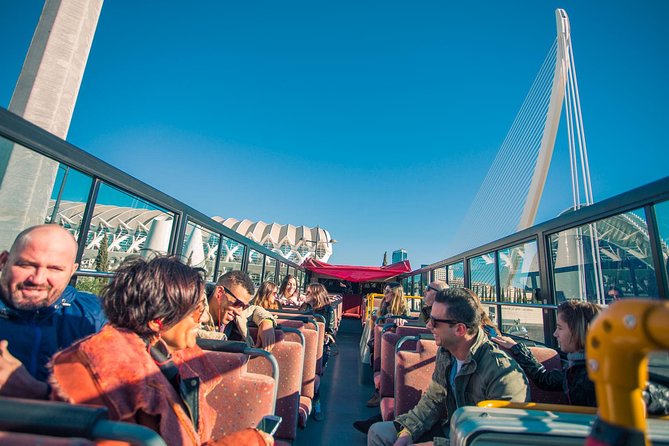
Valencia is one of those cities where the “best bits” are spread out. You’ve got Gothic and Roman-era influences in the center, then you’ve got futuristic architecture and a beach zone that feels like it belongs to a different planet. With limited time, a bus loop is the easiest way to get orientation fast—get your bearings and decide what’s worth a longer visit later.
What makes this one practical is that it’s built around stops you can actually use. Instead of a stop-and-dash experience where you’re trapped on the vehicle, the system encourages you to hop off, walk a bit, and return later. The route also includes major highlights you’d otherwise have to stitch together with taxis or multiple metro rides, like the UNESCO-listed Silk Exchange area and the City of Arts and Sciences zone.
You can also read our reviews of more tours and experiences in Valencia.



What I like about the experience
- The 24-hour ticket changes the pressure. Two hours on paper can feel short, but you’re not locked into a single circuit.
- The audio layer helps a lot when you’re seeing unfamiliar buildings and street names. You’re not just looking at facades—you’re getting context as you pass.
One drawback to plan around
If your day is driven by a cruise schedule or a timed reservation, don’t treat this as a perfectly clockwork solution. Some riders reported long waits and uneven timing, plus occasional audio problems or lack of detail in the commentary. That’s not a reason to avoid it, but it is a reason to build buffer time.
Price and Value: Is $31 a Smart Buy Here?
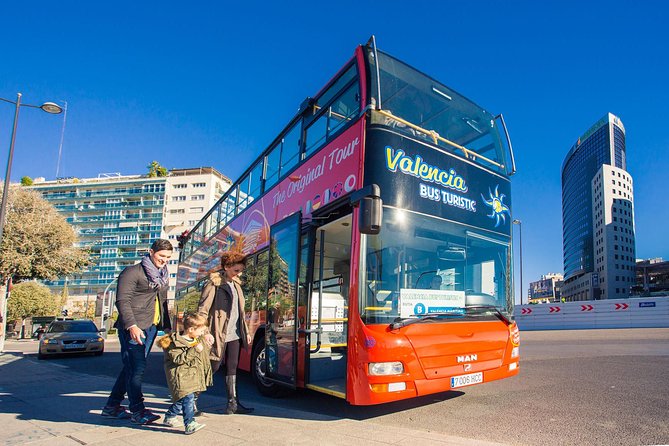
For around $31, you’re paying for convenience plus flexibility more than “one specific attraction.” A hop-on hop-off tour can be great value when you use it like a tool: you ride to compare areas, then spend your time on the sights that genuinely pull you in.
Here’s the value angle that matters in Valencia:
- You’re not just doing a quick bus ride. You get unlimited use for 24 hours, so you can do part of the route in the morning and finish later.
- Stops are placed to cover both the classic center and the modern highlights, so you’re not repeatedly paying for short transport hops.
At the same time, reviews show this tour can feel overpriced if the service is delayed or if you can’t find stops easily. If you’re the type who needs everything smooth and perfectly clear, you might feel the pain fast. If you’re flexible and you plan for “imperfect signage + possible waiting,” it can still be a good deal.
Cruise-Port Reality Check: Finding the Right Stop (and Avoiding a Miss)
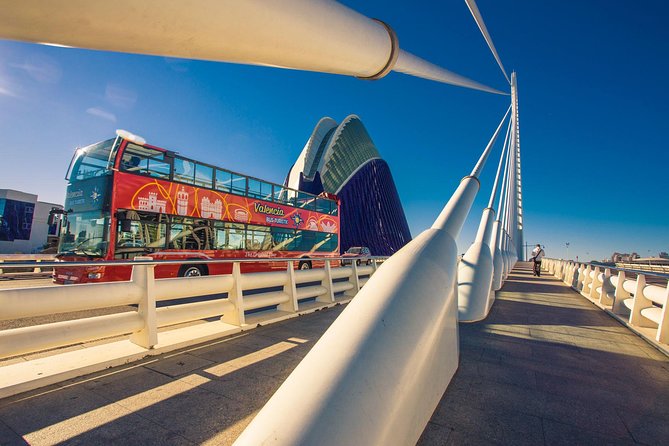
This is where I’d be most careful. The tour starts from a redemption point in Ciutat Vella (C. del Pintor Sorolla, 2) and it runs with multiple stops across town. For cruise passengers, the data says the nearest stop is Stop 7, El Puerto (Marina Real y Veles i Vents area). That matters because walking from the terminal can take time, and the bus stop isn’t always obvious.
Some practical advice based on common issues:
- Start earlier than you think you need. If you’re walking and hunting for a sign, add time.
- Take a screenshot of the stop location on your phone map before you leave the ship. Network can be spotty, and signage can be hard to spot.
- Have a backup plan for Oceanogràfic or Bioparc if you’re visiting those. If the bus is late, you don’t want your whole day slipping.
Also note: this isn’t covered by the worry-free policy, so you own the timing to get back to your ship.



The Route Strategy: Old Town Icons to City of Arts and Sciences
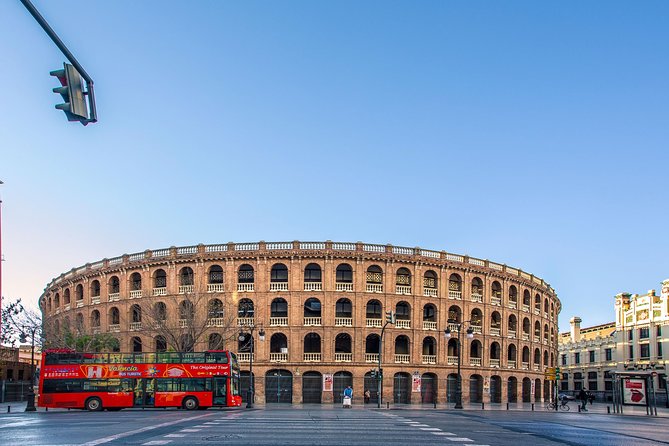
You get a single system with 17 stops, and the experience includes recorded audio commentary. The route is described as covering the city’s big contrasts—old-town towers and markets on one side, then the modern “wow” zones on the other.
Two things you’ll notice as you ride:
- The bus is best for orientation and access. It’s not the best choice if you want long slow sightseeing time at every single viewpoint.
- Some reviews mention the bus doesn’t slow for photo moments. That means you’ll do better with strategy: hop off where you want photos, not only where you’d like them.
If you choose to sit top deck, you’ll typically get a better feel for Valencia’s layout—especially along the water and around the architecture-heavy areas. Just be aware crowds can make boarding a little chaotic at stops, and you might be stuck if the top deck fills quickly.
Stop-by-Stop Valencia: What Each Stop Is Really Good For
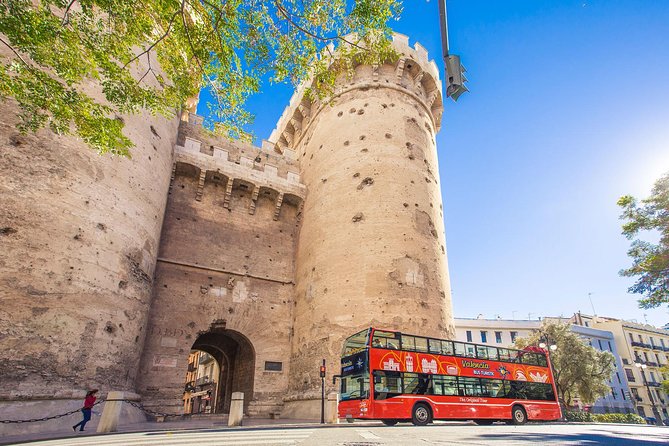
Here’s how I’d think about the 17 stops. I’ll point out what each area is best used for, plus where you might run into friction.
Stop 1: C. del Pintor Sorolla, 2 (Pintor Sorolla before Poeta Querol)
This is your main ticket redemption area. After you redeem, it’s a convenient starting point for getting into the central Valencia vibe without immediately committing to a long ride.
Use it for: getting oriented early and starting your loop before the city gets busy.
Watch out for: it can be harder to match up streets if you’re arriving late and tired.
Stop 2: C/ de Xàtiva, 25 (Plaza de Toros)
This stop puts you near one of Valencia’s recognizable landmarks. Even if you don’t go inside, it helps you connect the city’s street grid and where big public spaces sit.
Use it for: classic city architecture and a landmark reference point.
Watch out for: if your priorities are strictly modern/sea attractions, you may move past this quickly.
Stop 3: Plaça de Montolivet (Museo Fallero)
If you’re in Valencia during Fallas season, this area is a big deal. Even outside peak dates, it’s a museum-focused stop.
Use it for: culture and museum time if you like traditions and design.
Watch out for: museums take longer than bus time, so don’t plan this as a quick hop if you’re on a tight schedule.
Stop 4: Av. Autopista Saler, 2320 (Ciudad de las Artes y de las Ciencias)
This is the one modern stop people talk about. It’s the cluster where Valencia looks futuristic—buildings, plazas, and the whole “science city” feel.
Use it for: first impressions of modern Valencia.
Watch out for: it’s easy to get stuck in a single attraction zone; plan your hopping with time in mind.
Stop 5: Oceanográfico (Oceanogràfic)
Oceanogràfic is the major aquarium highlight. If you’re short on time, this is the stop that can justify the whole bus ticket.
Use it for: marine life and conservation-focused exhibits. Some riders specifically enjoyed learning how shows and facilities connect to conservation needs.
Watch out for: this is a place you could lose hours in, so keep a realistic return plan to your next bus.
Stop 6: Bershka (Centro comercial Aqua)
This is a shopping mall stop, which sounds dull until it becomes useful. It’s a practical pit stop for bathrooms, snacks (if you’re purchasing on your own), and a quick break between big sights.
Use it for: resetting your day when walking gets long.
Watch out for: it won’t replace top-tier attractions if you’re here for major sights only.
Stop 7: C. del Dr. Marcos Sopena, 11 (Marina Real y Veles i Vents)
This is the stop the provided data flags as closest to the cruise port. That’s huge for cruise schedules because it reduces the “where is the bus?” stress.
Use it for: the simplest return path to your ship area and a nice waterfront feel.
Watch out for: even when it’s the closest stop, signage can still be hard to find in real life, so don’t assume it will be easy.
Stop 8: C/ d’Eugènia Viñes, 107 (Las Arenas)
Las Arenas is part of the beach-and-marina zone experience. It’s a good stop if you want air, views, and a less museum-heavy stretch.
Use it for: sea air and a break from heavy sightseeing.
Watch out for: beach-zone time can balloon fast if the weather’s good.
Stop 9: C/ de Joan Verdeguer, 52 (Puerto)
This is the port area stop. It pairs well with walking along the harbor and getting a sense of Valencia’s working edge—not just postcard angles.
Use it for: port views and easy connections to nearby waterfront walking.
Watch out for: if you’re trying to do too much, the “walk back to bus stop” can turn into extra time.
Stop 10: Av. de les Balears, 5 (Baleares)
Another port-adjacent stop that helps you move between the harbor zone and central routes.
Use it for: more flexibility when you don’t want to walk across the whole area.
Watch out for: stops can be spaced out, so don’t assume you can hop and go every few minutes.
Stop 11: Carrer del General Gil Dolz, 1 (Museo de Historia Militar)
This is for the history-inclined. It’s not the type of stop everyone picks first, but if you like museums and artifacts, it’s worth considering.
Use it for: a change of pace from architecture-heavy sightseeing.
Watch out for: it can feel niche if you’re aiming for a quick “top highlights only” day.
Stop 12: C/ de Sant Pius V, 1 (Museo de Bellas Artes San Pio V)
This is a strong cultural stop. It pairs naturally with the older center vibe and helps round out a bus ride that otherwise might feel too focused on modern architecture.
Use it for: art museum time, especially if you want a break from outdoor walking.
Watch out for: museums add time. Plan your hopping so you don’t run out of bus energy.
Stop 13: Av. de Menéndez Pidal, 15 (Nuevo Centro)
This is another practical stop tied to everyday city life. It’s useful for breaks and rerouting when you’re moving between zones.
Use it for: quick reset and easy logistics if you’re tired.
Watch out for: it won’t wow most first-time visitors like the science complex.
Stop 14: C/ de la Safor, 10 (Dama Ibérica)
This stop is named after a sculpture and it’s part of a broader modern-art/urban statement feeling. It’s also a great “quick photo + stretch” stop.
Use it for: short break, photos, and a quick walk to break up the ride.
Watch out for: if you’re sensitive to photo constraints (crowds or bus flow), you may want to hop off longer than you plan.
Stop 15: Av. Pío Baroja, 3 (Bioparc)
Bioparc is a zoo-style experience. It’s a big draw for families and anyone who wants a non-architecture highlight.
Use it for: animals and a very different kind of sightseeing from markets and towers.
Watch out for: it’s hard to do quickly. If you have limited time, go early and choose key zones.
Stop 16: Pg. de la Petxina, 78 (Museo de Historia de Valencia)
This stop supports the “learn what you’re looking at” goal. It gives you a way to understand how Valencia grew into the city you’re riding through.
Use it for: context if you like history and city development.
Watch out for: it’s another museum stop, so it competes with other must-sees.
Stop 17: C/ de Guillem de Castro, 118 (IVAM)
IVAM is a modern art museum. It’s a strong fit if you want Valencia beyond architecture.
Use it for: modern art and a cultural finish to your day.
Watch out for: like other museums, it’s best when you can commit time.
Audio Commentary: Helpful When It Works, Mixed When It Doesn’t
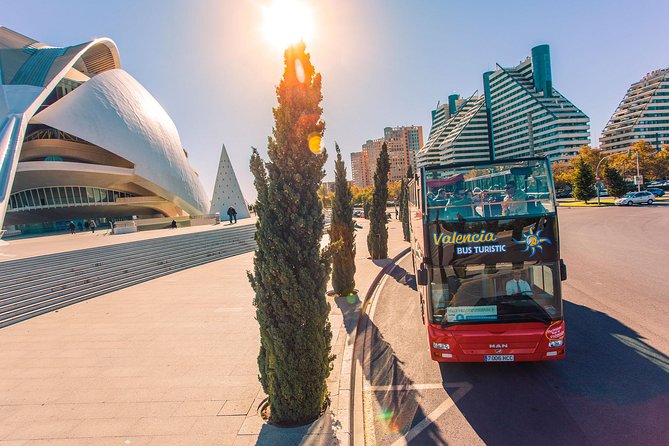
The tour includes recorded audio commentary, and some riders say headphones work well and you can tune to your language. That’s the dream scenario: you look at a tower, you hear what it is, and the whole city clicks.
But the practical reality from reviews is mixed:
- Some people found the commentary too vague or not lining up well with what they were seeing.
- Others reported audio issues or headphones not working fully.
How to make it work for you
- At your first boarding, test the audio right away. If it’s off, you can switch buses sooner rather than later.
- Don’t assume the bus will “pause for explanation.” If you want details, hop off and give yourself a walk near the landmark while listening.
Also, if photo-taking matters, sit with your plan in mind. One review mentioned a cracked glass windshield on the front area that made photos difficult. You can’t control that, but you can control where you sit and when you hop off to shoot your photos on foot.
Timing, Waits, and Crowds: What to Expect in the Real World

This is not a silent, empty-city fantasy bus. Some riders reported long waits while multiple buses passed without picking up passengers. Others said buses were frequent and on time.
So what should you do with that information?
- Use the 24-hour feature to your advantage. Don’t treat every hop as “perfectly timed.”
- If you see a bus come and fill quickly, be ready for the next one. Top-deck capacity can make boarding feel rushed, especially on narrow pavements.
- If you’re aiming for Oceanogràfic or Bioparc, don’t schedule those as a “grab it and go” stop. Build time to enjoy the attraction itself, then ride back when you’re ready.
Who This Tour Fits Best (and Who Should Skip It)
This tour fits best if you:
- Have a short window in Valencia and want to cover the highlights efficiently.
- Like the idea of hopping off for 30–90 minutes, then returning to the bus to reposition.
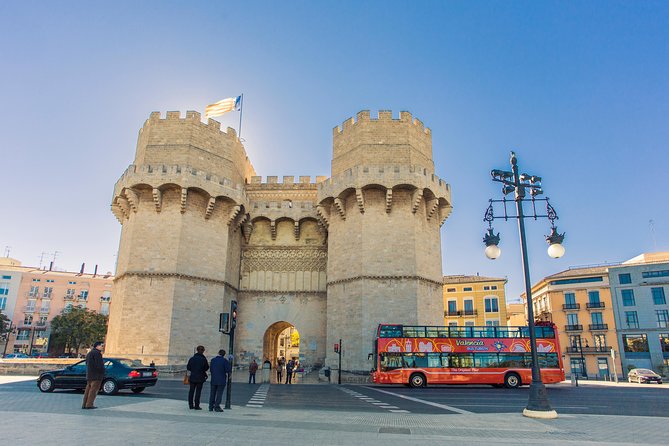
- Want an easy way to connect places like the UNESCO Silk Exchange area, historic towers, and the science complex without heavy planning.
It may not fit if you:
- Need strict timing for a tight itinerary and hate uncertainty.
- Get frustrated by unclear signage or if you need a very smooth “arrive, ride, everything works” day.
- Are sensitive to audio quality and dislike when commentary feels weak or doesn’t match the views.
Should You Book This Valencia Hop-On Hop-Off Bus?
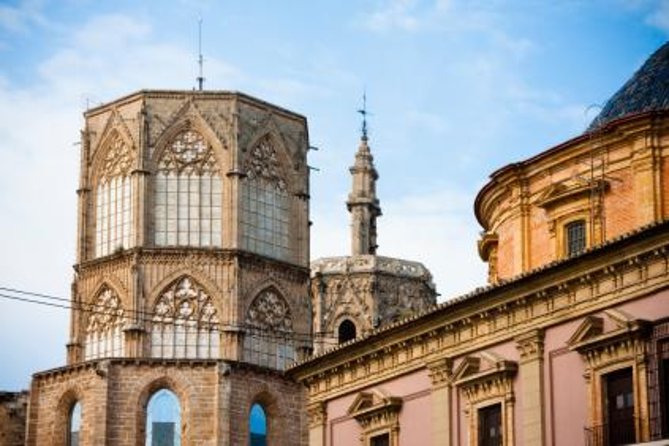
I’d book it if you treat it like the smart foundation tool it is: ride first to understand Valencia’s shape, then spend your energy on the places you actually want to linger. The 24-hour unlimited ticket gives you room to correct course if you choose wrong or if the day runs slower than planned.
I would think twice if you’re the kind of traveler who hates waiting and needs crystal-clear meeting points. Between signage challenges and reports of inconsistent timing, you’ll want a relaxed mindset and a buffer.
If you want the best of both worlds, do this:
- Prioritize one big attraction (Oceanogràfic or Bioparc) and use the bus for everything around it.
- Build in extra time near the cruise port so you don’t gamble with your return.
FAQ
FAQ
How long is the Valencia hop-on hop-off tour?
The experience duration is listed as about 2 hours. The ticket is valid for 24 hours from first use, so you can spread sightseeing over the day.
How many stops are there on the route?
There are 17 stops across Valencia.
Is there audio commentary included?
Yes. The tour includes recorded commentary.
Where is the nearest stop to the cruise port?
The nearest stop to the cruise port is listed as Stop 7: El Puerto (Marina Real y Veles i Vents).
Where do I redeem the ticket, and what are the hours?
Ticket redemption is at C. del Pintor Sorolla, 2, Ciutat Vella, 46002 València. Hours listed are 10:00 AM to 7:00 PM.
Is this shore excursion covered by the worry-free policy?
No. The information provided says this excursion is not covered by the worry-free policy.