REVIEW · BIKE & E-BIKE TOURS
Valencia (Ruzafa): Guided Bike Tour of the city’s highlights.
Book on Viator →Operated by ValenciaInBike · Bookable on Viator
Bike, bullring, and science city in 3 hours. This guided route strings together classic Old Town sights—like the Plaza de Toros and Quart Towers—then swings into the Turia Gardens and ends at the City of Arts and Sciences area.
I really like two things here. First, the bikes are comfortable city bikes, and recent riders noted that the ride is easier when they’re electric-assisted. Second, the stops are picked for fast context: you get medieval gates, major plazas, and a real UNESCO site without spending the whole day in lines.
One thing to consider: some of the biggest attractions on the list are ticketed separately (La Lonja, Valencia Cathedral, and a couple others). Also, each stop is short, so if you want a slow, deep museum day, this tour is more of a highlights sampler.
In This Review
- Key highlights worth your attention
- Ruzafa by bike: why this 3-hour loop works
- Price and what $36.01 buys you in real life
- Ride setup: bikes, pace, and staying comfortable
- Plaza de Toros and Quart Towers: Valencia’s identity starts with defense and spectacle
- Mercado Central and La Lonja de la Seda: food senses meet UNESCO architecture
- Plaza de la Virgen and Valencia Cathedral: holy symbols and skyline views
- Centre Arqueològic de L’Almoina and Plaza de la Reina: Roman layers and photo angles
- Cortes Valencianas and Torres de Serranos: political power meets medieval defense
- Jardín del Turia: the park that stitches Valencia together
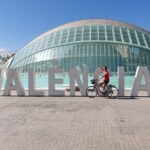
- City of Arts and Sciences: Palau de les Arts, Hemisférico, and Museo time
- Guide quality: what to look for, and what to watch out for
- Who this bike tour fits best (and who should skip)
- Should you book this ValenciaInBike guided highlights ride?
- FAQ
- FAQ
- How long is the guided bike tour of Valencia highlights?
- What is the meeting point for the tour?
- Is admission included for all the stops?
- Will we visit inside Central Market of Valencia?
- Is the tour offered in English?
- What happens if poor weather cancels the tour?
Key highlights worth your attention
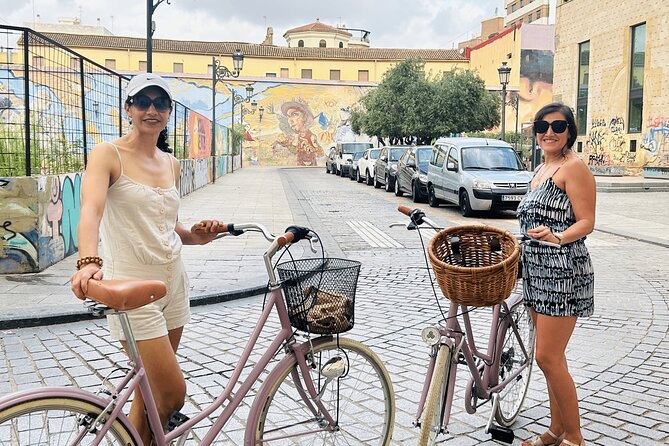
- Electric-assisted bike comfort: you cover more ground without turning the tour into a workout
- UNESCO stop at La Lonja de la Seda: a major civil Gothic landmark on the route
- Mercado Central timing: you can do an internal visit on Monday to Saturday morning runs
- Fast, visual Old Town tour: plazas, gates, and viewpoints in about 3 hours
- Turia Gardens icons: Calatrava Bridge, Flower Bridge, Palau de la Música, and Gulliver Park
- City of Arts and Sciences overview: Palau de les Arts, Hemisférico, Museo de las Ciencias, and Ágora
Ruzafa by bike: why this 3-hour loop works
This is the kind of Valencia tour that helps you get your bearings fast. You start in the Eixample area at C. de Cuba, 24, then ride through the historic core, cross into the Turia park corridor, and finish in the futuristic City of Arts and Sciences zone.
The pacing is built around short photo-and-story stops. You’ll spend a few minutes in each key spot—enough time to understand what you’re looking at, then move on before the group gets restless. With a maximum of 15 people, the tour doesn’t feel like a cattle-car, and your guide can usually keep the flow tight.
You can also read our reviews of more cycling tours in Valencia


Price and what $36.01 buys you in real life
At $36.01 per person, you’re paying for three things: a guide, a bike, and a guided route that ties together multiple top sites in one sitting. The total tour time is about 3 hours, and the bike travel time between locations is about 1 hour and 30 minutes, so you’re not stuck doing endless wandering on foot.
Tickets are where you need to stay alert. Some stops are marked admission ticket free, but other big buildings are not included (examples include La Lonja de la Seda and Valencia Cathedral). So the value is strong for the guided route, but you should budget extra if you plan to go inside the ticketed sights.
Ride setup: bikes, pace, and staying comfortable
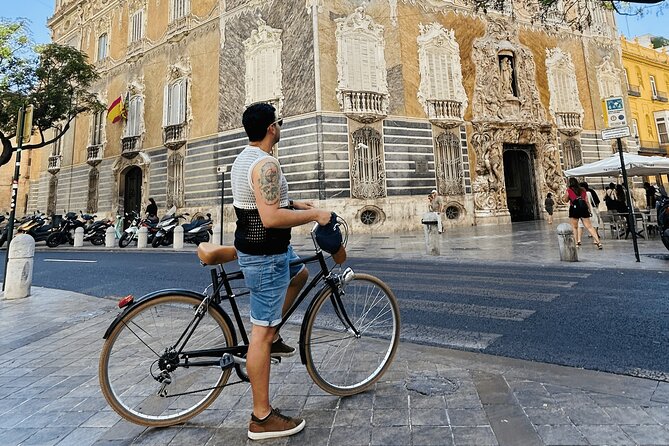
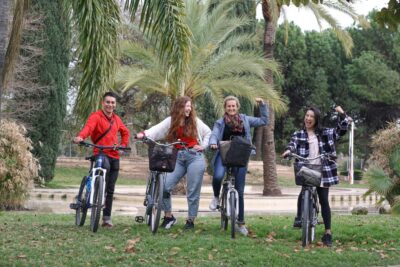
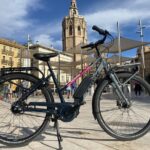
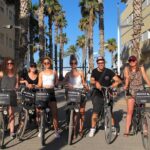
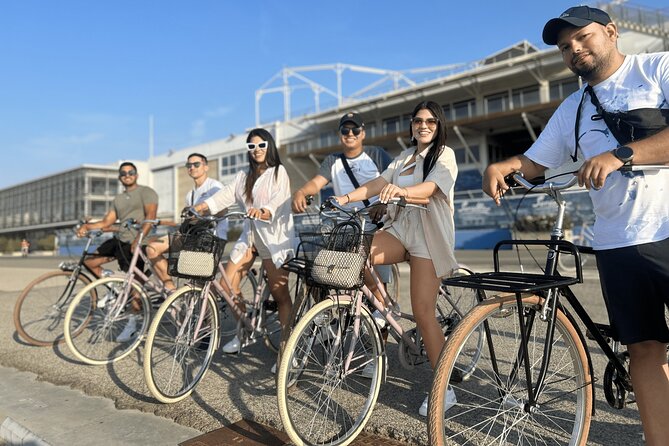
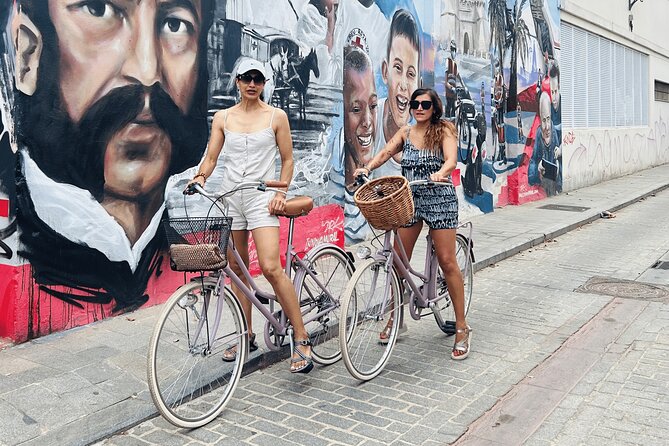
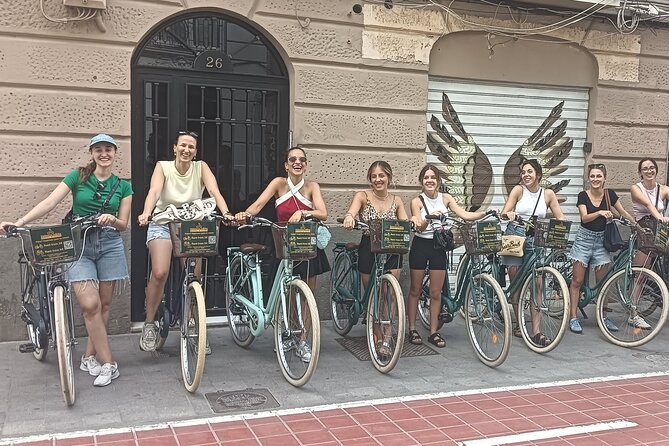
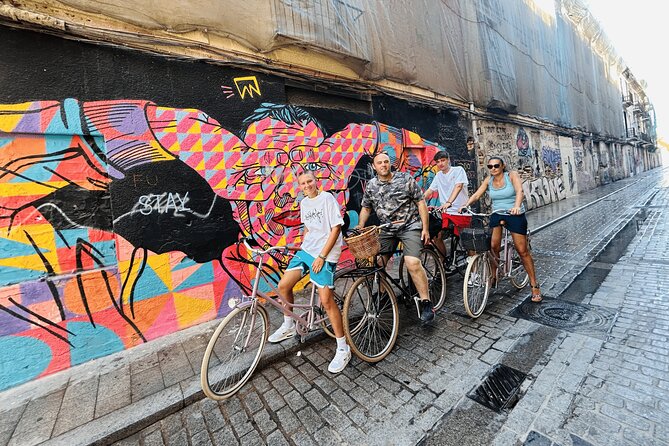
You’re on a comfortable city bike with a tour guide. Recent feedback also points out that the bikes can be electric, which matters a lot in a city tour. It helps you keep a relaxed pace even when the route includes stretches between the Old Town and the Turia Gardens.
What I recommend for your end: wear shoes you don’t mind getting slightly dusty, and bring a light layer if the weather changes. You’ll be stopping often, but you still cover enough distance that comfort matters.
Group tours also mean timing matters. Expect quick stops like 5 to 10 minutes at several monuments. If you arrive with a plan to see every detail, you’ll likely get frustrated. If you arrive wanting the main story points and a few good photos, you’ll feel perfectly satisfied.
Plaza de Toros and Quart Towers: Valencia’s identity starts with defense and spectacle
The tour kicks off at Plaza de Toro (bullring). This 19th-century arena isn’t just a background landmark—it’s a symbol of Valencian culture, and it connects you to the city’s tradition of public events. Even if you skip a long interior visit, the setting and architecture give you a useful starting frame for what Valencia values: spectacle, craft, and history in plain sight.
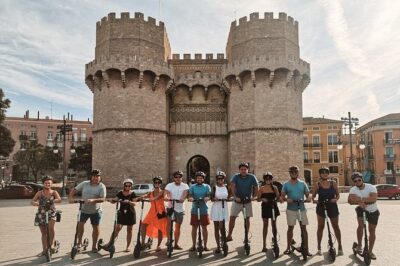
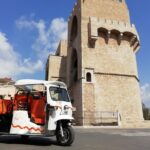
Next comes Quart Towers, one of the 15th-century medieval gates that still stands. The walls show signs of past conflict, so it’s not just a pretty view stop. From the top (time is short, but the payoff is visual), you get city views over the Old Town. This is one of those stops where the photos aren’t just souvenirs—they help you map what you’ll see next.
Time note: expect around 5 minutes at the bullring and 10 minutes at Quart Towers. It’s tight, so focus on the big forms first.
Mercado Central and La Lonja de la Seda: food senses meet UNESCO architecture
Stop 3 is Central Market of Valencia (Mercado Central). If your tour date is Monday to Saturday morning, you’ll have an internal visit. That detail matters because the market isn’t only a place to shop—it’s a sensory crash course in local food culture. You’ll get the colors, the smells, and that fast-moving, everyday energy that makes the market feel like a living part of Valencia, not a staged museum.
Then the route hits La Lonja de la Seda, a UNESCO World Heritage Site. This is where you’ll notice the architecture doing the storytelling. The civil Gothic design, tall columns, and the feel of Valencia’s old trading power are the point. Time is about 10 minutes, so you won’t get a full guided walkthrough of every corner, but you’ll leave understanding why this building is famous.
Important practical point: the admission ticket isn’t included at La Lonja. If you want more than a quick look from your stop time window, check whether the tour schedule allows extra entry time, or plan a separate visit later.
You can also read our reviews of more guided tours in Valencia



Plaza de la Virgen and Valencia Cathedral: holy symbols and skyline views
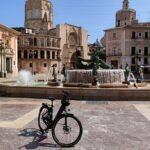
At Placa de la Mare de Deu (Plaza de la Virgen), you’re dropped into the heart of local life. This square connects major landmarks, including the Basilica of the Virgin and the famous Turia fountain area. The value of this stop is orientation: it helps you understand the Old Town’s layout around the big religious and civic anchors.
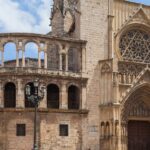
Then you move to Valencia Cathedral. The cathedral is a mix of Gothic, Baroque, and Renaissance styles, so it’s not one-note. Inside is the Holy Grail, one of the most venerated Christian treasures. Even if you don’t spend time inside every chapel, the scale and style changes across eras are the lesson.
There’s also El Micalet, the famous bell tower. If you’re the type who loves views, this tower is a major reason people want to return to Valencia. The cathedral stop is around 10 minutes, and the admission ticket isn’t included, so if the tower or deeper interior access is what you care about most, treat this tour as the introduction, not the final chapter.
Centre Arqueològic de L’Almoina and Plaza de la Reina: Roman layers and photo angles
The tour then reaches the Centre Arqueologic de L’Almoina, an archaeological site that reveals Valencia’s Roman beginnings. This is one of the best stops for understanding how long this city has been here. Beneath modern ground, you can see remains of ancient streets, buildings, and Roman baths from over 2,000 years ago.
Time is short (about 8 minutes) and admission isn’t included, so you’ll likely need to decide quickly whether you want to prioritize this site for deeper exploration on your own.
Next is Plaza de la Reina, one of the most photographed spots in Valencia. The big draw here is the setting: cafés, shops, and monuments with views toward the Cathedral and El Micalet bell tower. This is a smart break in the itinerary because it’s less about rushing through buildings and more about enjoying the street-level scene. The tour gives about 10 minutes, which is enough for a couple of photos and a quick reset.
Cortes Valencianas and Torres de Serranos: political power meets medieval defense
Stop 9 is Cortes Valencianas, housed in the Palau de Benicarló, also known as the Palace of the Borgias. The guide’s job here is to connect the dots between aristocratic wealth and political institutions—because this building sits at the intersection of those stories. You get a sense of the courtyard and noble-era design details in a short 5-minute stop.
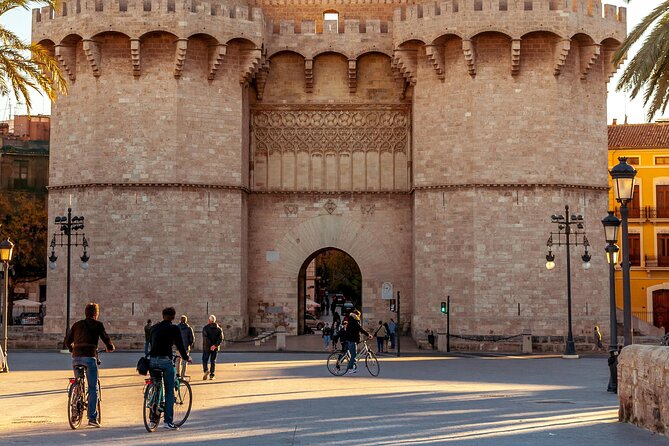
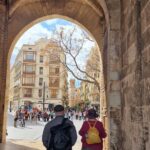
Then you head to Torres de Serranos, one of Valencia’s most iconic landmarks and a well-preserved 14th-century medieval gate. Built as part of the city walls, these towers were crucial to defense. Today, they’re a view point over the Old Town and the Turia River corridor.
This stop is about 10 minutes and it’s marked free admission. That combination is nice: you get a big landmark experience without needing to plan a separate ticket.
Jardín del Turia: the park that stitches Valencia together
Now you get the long green stretch: Jardín del Turia. Think of it as Valencia’s green lung—a linear park that runs through the city and connects key attractions. This is a big reason bike tours work well here: instead of doing stop-and-go street traffic, you glide through a more pleasant corridor.
On this route, you’ll hit landmarks like the Calatrava Bridge, the Flower Bridge (covered in plants that change with the seasons), and the Palau de la Música. You’ll also see Gulliver Park, with its giant sculpture-game based on Gulliver’s Travels.
Time is about 20 minutes. That’s enough to register what’s where and to walk to a couple of key angles, but it won’t replace a full park day. If you like architecture and outdoor public spaces, this is one of the most rewarding segments.
City of Arts and Sciences: Palau de les Arts, Hemisférico, and Museo time
The last major stop is the Ciudad de las Artes y las Ciencias complex. This is Valencia’s future-facing side, and it’s a sharp contrast from the medieval gates earlier in the ride.
The route highlights several major buildings:
- Palau de les Arts Reina Sofía, used for opera, concerts, and classical music
- Hemisférico, the eye-shaped complex with an IMAX cinema, planetarium, and laser space
- Museo de las Ciencias Príncipe Felipe, an interactive science museum
- Ágora, a multifunctional venue for cultural and sporting events (ticket not included)
Time at this area is around 30 minutes, and Ágora admission isn’t included. In practical terms, treat this as an excellent overview plus a chance to decide what you want to do next. If you want to spend a half-day inside Hemisférico or the science museum, you’ll need a separate plan.
Guide quality: what to look for, and what to watch out for
Good guiding is the difference between seeing landmarks and understanding why they matter. The positive feedback on this tour is strong: riders have credited guides (including Martin) with clear, informative explanations and a strong grasp of Valencia’s story. That’s what turns a short stop into something memorable—like when you connect La Lonja’s design to Valencia’s trading past, or when Quart Towers stop being just a gate and start acting like a timeline.
Still, there’s a caution you should take seriously. One mixed experience described the provided information as basic and the overall organization at check-in as rough, including not being clearly told that you’d be accompanied by a guide. That same review said the guide spoke very little Italian, which could be a problem only if you rely on Italian for explanations.
So here’s my advice: arrive a few minutes early so you can confirm the plan on the spot. If you have language needs, expect the tour to run in English and don’t assume every explanation will match every language preference. And if you want more depth than short stops provide, plan at least one follow-up self-guided visit to the ticketed sights.
Who this bike tour fits best (and who should skip)
This tour is a great match if you want a high-impact highlights route without spending a full day planning. The mix of Old Town architecture, market culture, Roman layers, and the science complex gives you a “whole-city” feel in one go.
You’ll also like it if you enjoy biking through a city but don’t want a long, sweaty endurance session. If the bikes are electric (as noted in recent feedback), that’s a practical advantage.
Skip it if you’re the kind of traveler who needs 45–90 minutes inside major sites. Many of the top stops here are short and some require separate tickets, so you might leave wanting more time in La Lonja, the cathedral/tower area, or the archaeology site.
Should you book this ValenciaInBike guided highlights ride?
I’d book it if you’re on a first trip to Valencia and you like the idea of getting a structured route across neighborhoods. For $36.01, you’re buying speed, guidance, and a ride that strings together major sights you’d otherwise hop between with taxis or separate tickets.
I’d pause before booking if your priority is deep, slow museum time. This is a sampler. You’ll get enough to decide what’s worth a return visit, but not enough for a full immersion inside every ticketed building.
If you go, plan smart: focus your ticket budget on the sites you care about most (especially La Lonja de la Seda and Valencia Cathedral), and use the rest of the tour for context, viewpoints, and the pleasure of moving through Valencia by bike.
FAQ
FAQ
How long is the guided bike tour of Valencia highlights?
It runs for about 3 hours. The bike ride time between locations is listed as about 1 hour and 30 minutes.
What is the meeting point for the tour?
The tour starts at C. de Cuba, 24, L’Eixample, 46004 València, Valencia, Spain, and it ends back at the same meeting point.
Is admission included for all the stops?
No. Some stops are free, but others are not included, including La Lonja de la Seda, Valencia Cathedral, Centre Arqueologic de L’Almoina, Palau de Benicarló (Cortes Valencianas), and Ágora.
Will we visit inside Central Market of Valencia?
The internal market visit is listed as available on tours from Monday to Saturday morning.
Is the tour offered in English?
Yes. The tour is offered in English.
What happens if poor weather cancels the tour?
The tour requires good weather. If it’s canceled due to poor weather, you’ll be offered a different date or a full refund.