REVIEW · MUSEUMS
Valencia: San Nicolás, Silk Museum and Santos Juanes Church
Book on Viator →Operated by Parroquia de San Nicolas de Bari y San Pedro Martir · Bookable on Viator
Three stops, one handy audio guide. This self-led experience strings together San Nicolás, the Silk Museum, and Santos Juanes with a mobile ticket and audio narration so you control the tempo. You’ll get a flexible route through some of Valencia’s most memorable sights without being locked into a group schedule.
I especially like the San Nicolás Church interior, famous for frescoes often compared to the Valencian Sistine Chapel. I also really enjoyed the Silk Museum’s focus on how Valencia’s silk world worked, from silkworms to weaving with thousands of looms.
One thing to plan for: timing. On some dates, opening hours or church access can be affected by public holidays or renovation work, so it pays to check before you set off.
In This Review
- Key Things I’d Put on Your Radar
- Why This Self-Guided Audio Tour Fits Real Valencia Time
- San Nicolás Church: The Fresco-First Moment You’ll Remember
- What can trip you up
- How to get the best out of this stop
- Valencia Silk Museum and the Arte Mayor de la Seda: A Museum With Production in Its DNA
- The story you might catch while you listen
- Possible drawback to plan around
- How long it really takes
- Santos Juanes Church: Saint John of the Market and a Square That Predates You
- Timing reality check
- Price and Value: $17.20 for Three Free-Admission Stops
- Timing Tips: How to Avoid Holiday and Renovation Letdowns
- Who This Tour Suits Best
- Should You Book This Valencia Audio Tour?
- FAQ
- How much does this tour cost?
- How long is the experience?
- Which attractions are included?
- What is included with the tour?
- Is there an admission fee for the stops?
- Can I get a refund if I cancel?
- What opening hours are listed for the experience?
Key Things I’d Put on Your Radar
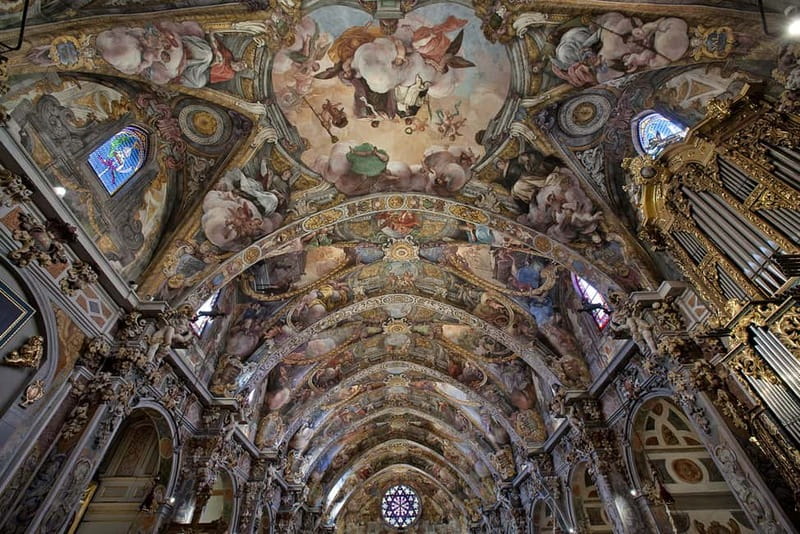
- San Nicolás fresco ceiling power: Nearly 2,000 square meters of fresco paintings over the vaults, plus baroque decoration that makes the Gothic space feel transformed.
- The Silk Museum’s guild focus: You’re not just looking at artifacts; you’re learning about the Gremi de Velluters and the 15th-century guild home now used as the museum.
- How silk was actually made: The audio guide covers silkworm raising, production methods, and the success of silk fabrics in the 18th century.
- Five-language audio at each stop: Your guide is built for repeatable moments—one stop, one layer of context—rather than one long story.
- Three major sights, with free entry at each: Each location lists free admission for this experience, which makes the overall value feel good fast.
- Watch for closures on holidays and renovation days: At least one church has been reported as closed for renovation during certain dates, so check status the day you go.
Why This Self-Guided Audio Tour Fits Real Valencia Time
Valencia is a city where your best day often depends on the weather, your energy, and how long you get pulled into a place. This tour style works because it’s self-led: you access an audio guide after booking, then move at your pace between three top attractions.
You’re also getting something useful for the money: a plan that bundles major stops into roughly 3 hours, while keeping you independent. That matters in Valencia, because these sites aren’t all in the same mood. One is all about sacred art, one is about craft and production, and one connects to the city’s market square story.
The audio guide approach is the real value. Instead of hoping you’ll read every plaque, you can listen and then look with intent. You get context for what you’re seeing, and you’re free to pause, backtrack, or speed up when the line moves faster than expected.
And yes—this is practical: the experience is listed as near public transportation, so you’re not stuck with a long walk from transit.
You can also read our reviews of more museum experiences in Valencia

San Nicolás Church: The Fresco-First Moment You’ll Remember
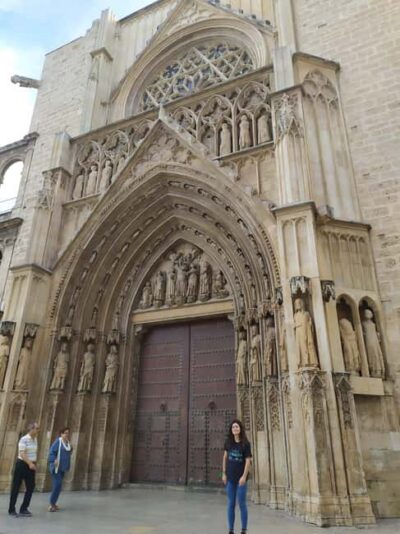
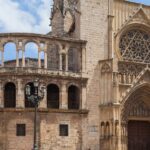
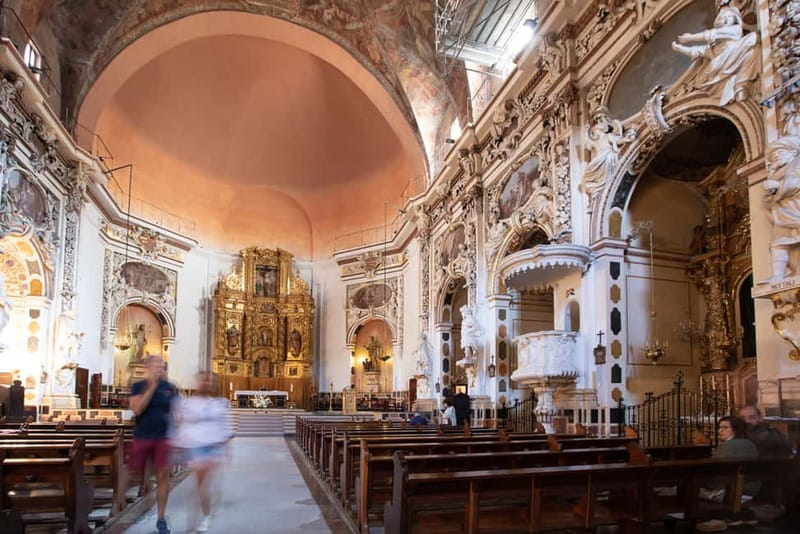
San Nicolás de Bari y San Pedro Martir is the kind of church where the first step inside makes you slow down. The building is described as one of Valencia’s oldest parishes, founded more than 700 years ago, with an appearance shaped by centuries of reform.
What you’re really here for is the interior fresco program. The tour info highlights almost 2,000 square meters of fresco paintings covering its vaults. That scale is hard to picture until you’re looking up. The audio guide helps you notice the logic of the decoration rather than treating it like one big ceiling.
The church is also known for its baroque decoration, which can feel like a “layering” trick—Gothic structure with later artistic additions that give it a very dramatic, almost theatrical look. One of the strongest takeaways is that San Nicolás is commonly described as a Valencian version of the Sistine Chapel experience, and you’ll understand why once you’re inside.
What can trip you up
This is a popular stop. One comment noted there can be a line, though it was quick. The bigger issue is not crowding—it’s whether you can enter that day. Always check current opening status, especially around public holidays, because religious sites sometimes shift hours.
How to get the best out of this stop
Give yourself enough time to look up more than once. I’d start by taking in the overall vault area, then go back for the details the audio guide points out. If you’re the type who gets distracted by side altars, this is still worth it—you can listen to one section, then let your eyes wander without losing the story.
Valencia Silk Museum and the Arte Mayor de la Seda: A Museum With Production in Its DNA
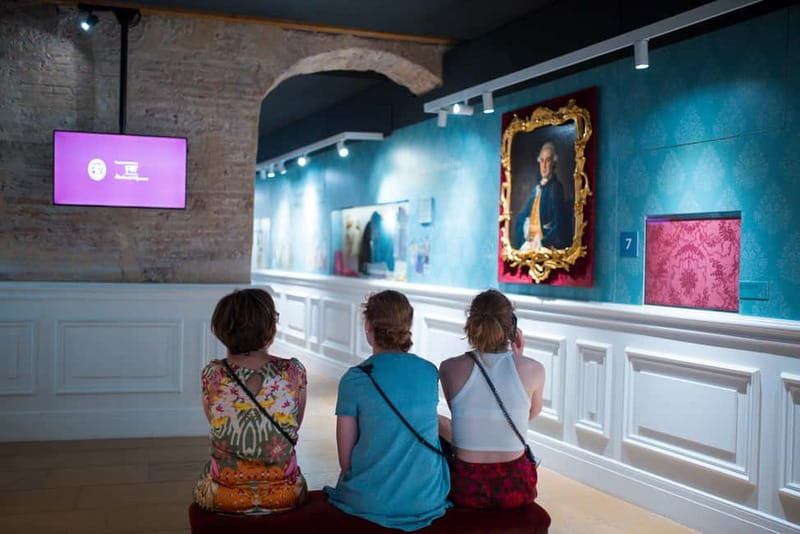
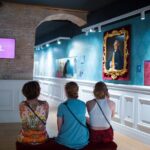
The Valencia Silk Museum (Museo y Colegio del Arte Mayor de la Seda) is where the tour becomes practical in a different way. Instead of sacred art, you shift to craft and labor—and you see how silk helped shape Valencia’s way of life.
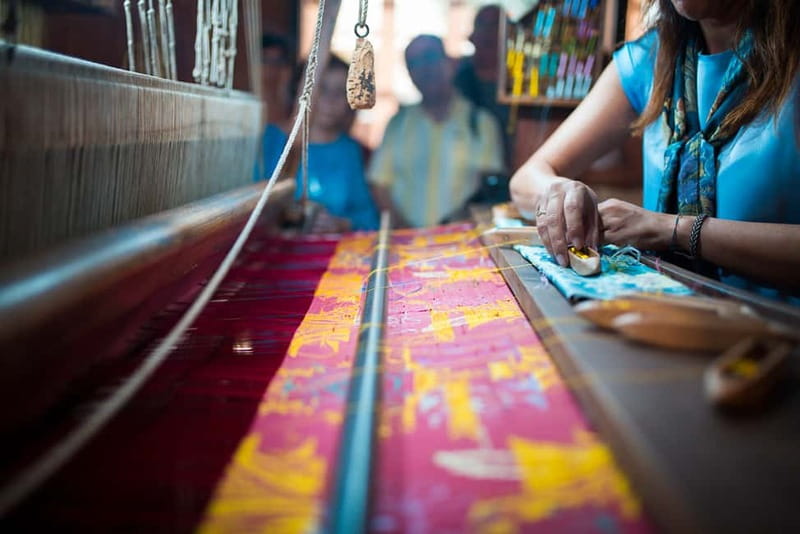
This part is tied to the Gremi de Velluters, the silk velvet weavers’ guild. The museum is housed in the building where the guild established itself in the 15th century. That’s a detail I love, because it keeps the story grounded. You’re learning about a local industry in the place where the guild operated.
The audio guide focuses on how silk moved from nature to luxury:
- discovery and development of silk
- raising silkworms
- producing the material
- how weaving worked across the wider city
- the rise of silk fabrics in the 18th century
The tour info also mentions almost 5,000 looms around the city. Even if you don’t count them in your head, the idea matters: silk wasn’t a small hobby industry. It was infrastructure—jobs, supply chains, and skill.






The story you might catch while you listen
One review emphasized the kind of story the museum tells—silkworm delivery to Emperor Justinian by two monks in their canes, and the way it turns into a competition in fashions and culture. The point is less about whether you’ve heard that legend before and more about how the audio guide ties silk to big historical currents and not just machines.
Possible drawback to plan around
Museum hours can also change. If this is your “must-see” stop, it’s smart to verify access before you commit your whole route. In one case, the Silk Museum was reported closed by the time someone arrived—so don’t schedule your day so tightly that you’re stuck if a stop is shut.
How long it really takes
You’ll likely spend about an hour here if you’re listening actively and not just skimming. If you like process stories—how things are made—this can stretch a bit longer. If you’re more into visual highlights, you can move through faster while still absorbing the key points.
Santos Juanes Church: Saint John of the Market and a Square That Predates You
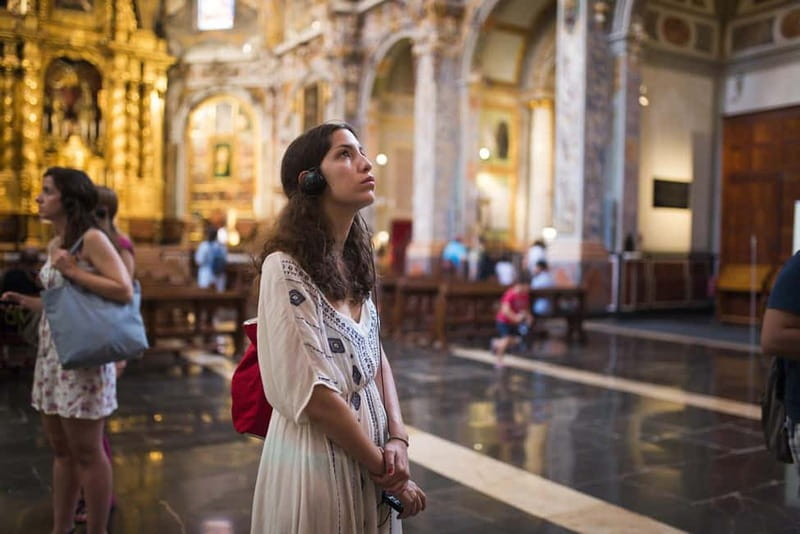
Iglesia de los Santos Juanes is sometimes described by its location, next to the market area. That’s where the common name “Saint John of the Market” comes from. If you’ve ever walked through a European city and sensed that the streets were built around trade, this is the kind of church that confirms it.
The tour info notes that in the 13th century, this square was already the main open space in the city. That’s a big idea: you’re not just visiting a church, you’re stepping into a spot that has functioned as a civic center for centuries. The audio guide helps you connect the building to that daily-life context.
If you’re wondering what to expect visually, the key is that the audio guide will give you specific “what you’re looking at and why it mattered” moments. The church itself is presented as historically saturated—meaning you’ll probably feel layers as you move around and look for what changed over time.
Timing reality check
This stop can be the most unpredictable if renovations are happening. One review mentioned Santos Juanes being under severe restoration during their visit window, which can mean limited access or full closure. Because of that, I treat Santos Juanes as the “check first” stop. If you can enter, it’s a great capstone to the tour’s arc from church art → silk industry → the market square.
Price and Value: $17.20 for Three Free-Admission Stops
At $17.20 per person, this doesn’t look expensive on paper. But the value gets clearer when you realize each of the three sites is listed as free admission for this experience. That means you’re mostly paying for the audio guide approach and the curated self-led format—not paying separate entry fees again and again.
It also helps that the experience is only about 3 hours. If you’re visiting with limited time and want a focused hit of Valencia’s highlights, this can be a smarter use of time than stretching a day with multiple half-informed stops.
Also, the tour is noted as typically booked about 15 days in advance on average. You don’t need to panic, but it does signal popularity. If you’re traveling in a busy season or you have a tight itinerary, booking ahead is one of those low-stress moves that can save you from last-minute scrambling.
Where I’d be cautious is in your expectations of “no surprises.” This is self-led and independent. If a site is closed for renovation or adjusted hours on a public holiday, you won’t have a guide who can instantly swap the order or replace a stop. The audio guide is great—but you still need access to the places it’s describing.
Timing Tips: How to Avoid Holiday and Renovation Letdowns
Here’s the honest pattern I’d plan around. Even with well-known attractions, church access and museum openings can shift. One review specifically warned to check operating hours on public holidays, because they may vary.
So I’d use a simple strategy:
- Pick a day when you can afford flexibility.
- Before you go, confirm that each site is open on your exact date.
- If one stop is unexpectedly closed, don’t view it as a total loss. The other two are still strong enough to justify the outing.
Also, remember that the tour is flexible by design. If San Nicolás is taking longer than expected (it often does once you start looking up), let the Silk Museum timing adjust accordingly. That’s the advantage of audio pacing: you can follow the story without feeling rushed out the door.
Finally, make sure your phone battery is happy. Mobile ticket + audio guide means you want power, signal, and headphones ready before you step inside.
Who This Tour Suits Best
This is a strong fit if you:
- want a self-led plan that still gives you context
- like churches but don’t want to show up without any explanation
- enjoy craft stories and how everyday industries shaped a city
- prefer moving at your own speed instead of keeping up with a group
It’s less ideal if you:
- only want stops with guaranteed entry every day (because openings can vary)
- strongly prefer a live guide’s real-time answers, not an audio track
- dislike listening while walking or in quiet interiors
If you’re the type who likes architecture and religious art, San Nicolás alone can justify your attention. If you’re more into trade, labor, and production, the Silk Museum will likely be the emotional high point. And if you love city layout—how markets anchor life—Santos Juanes will feel meaningful.
Should You Book This Valencia Audio Tour?
I think it’s worth booking if you verify access for your dates. When everything is open, you get three major sights in one smooth loop: fresco drama at San Nicolás, the craft mechanics of the Silk Museum, and the market-square connection at Santos Juanes. At $17.20, and with each stop listed as free admission, the value is real.
Skip the automatic booking impulse if you’re traveling on a public holiday or you see signs of restoration at Santos Juanes. In that case, check hours first and keep your schedule flexible. If you do that, this tour becomes one of the most practical ways to see Valencia’s highlights in a short time—without feeling herded.
FAQ
How much does this tour cost?
The price is $17.20 per person.
How long is the experience?
It takes about 3 hours in total, with roughly 1 hour at each stop.
Which attractions are included?
You’ll visit San Nicolás Church, the Valencia Silk Museum, and Iglesia de los Santos Juanes.
What is included with the tour?
After booking, you get access to an included audio guide for each location, available in 5 languages. You also use a mobile ticket.
Is there an admission fee for the stops?
The tour information lists free admission for San Nicolás Church, the Silk Museum, and Santos Juanes Church.
Can I get a refund if I cancel?
Yes. You can cancel for free up to 24 hours in advance for a full refund.
What opening hours are listed for the experience?
The provided hours list Monday from 10:00 AM to 8:00 PM (during the overall date range shown).