REVIEW · MUSEUMS
Valencia: Silk Museum Entry Ticket
Book on GetYourGuide →Operated by GLOBAL MENTA · Bookable on GetYourGuide
Silk velvet has a secret life. With a Valencia Silk Museum entry ticket, you step into a historic Gothic building and start with a multilingual audio guide, then trace how the Gremi de Velluters influenced the city.
I like that the museum is built around clear, practical storytelling: you move at your own pace through exhibits tied to real silk-making—from guild life to production scale.
The main trade-off is the museum’s size. Expect a compact visit, so you’ll want to time it well and keep expectations realistic about architecture (some people come looking for specific exterior-style details and are surprised by what’s inside).
In This Review
- Key things to know before you go
- Silk Museum entry in a Gothic building at C/ Hospital nº 7
- Your self-guided audio route: what you’ll listen for
- The Gremi de Velluters: the velvet-weaver guild story
- Silk in Valencia: how production shaped the city
- From silkworms to almost 5,000 looms
- How long to plan: a compact museum visit in 45 minutes
- Where this experience delivers the best value
- What to bring and what to expect on site
- Should you book the Valencia Silk Museum entry ticket?
- FAQ
- FAQ
- Where is the Silk Museum located?
- How long does the visit take?
- What is included with the entry ticket?
- Is a live guide provided?
- What languages are available for the audio guide?
- Where should I enter the museum?
- What time is the last entry?
- Is food or drink allowed inside?
- Are pets allowed?
- Is the museum wheelchair accessible?
Key things to know before you go
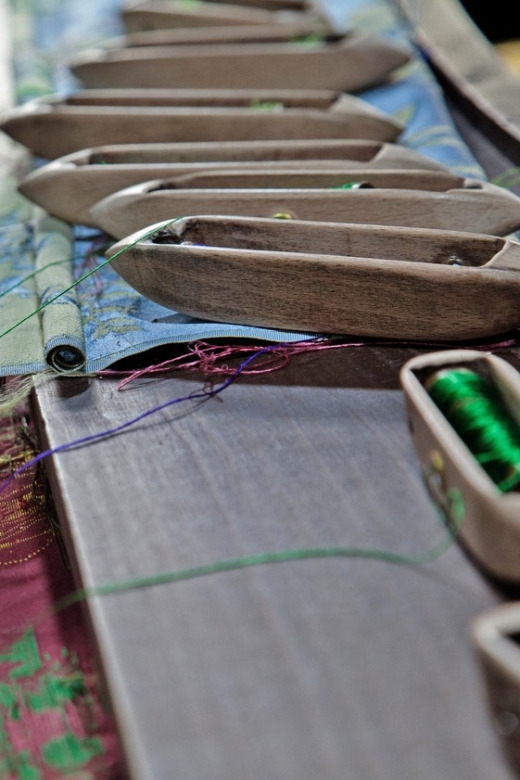
- Pick up the audio guide first with a QR download, then follow the path in your own rhythm
- Gothic building + 15th-century silk context gives the story a believable setting
- Guild focus on the Gremi de Velluters (silk velvet weavers) and how they organized work
- Silkworm-to-fabric explanation covers discovery, raising silkworms, and what “production” meant
- Big numbers, local impact: learn about almost 5,000 looms across Valencia and the 18th-century prosperity they helped drive
- About 45 minutes is the sweet spot—walk slowly, but don’t expect a half-day museum
Silk Museum entry in a Gothic building at C/ Hospital nº 7
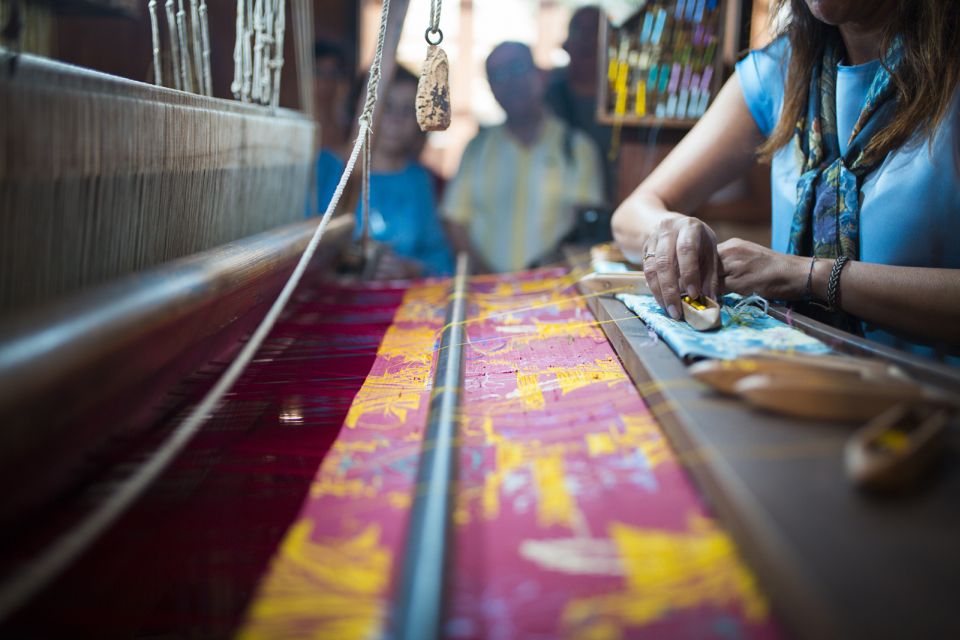
This isn’t a “pass through a room and leave” experience. The ticket gets you into the Museum and College of High Silk Art, housed in a Gothic building at C/ Hospital nº 7. The setting matters because it helps you picture silk as a real industry, not just a decorative idea.
You enter through the main entrance (the museum is across from Paralelo Renew Vintage clothing shop). Once inside, the experience centers on a self-guided route with an educational audio track, so you’re not relying on a live guide to interpret what you’re seeing.
If you’re short on time, the good news is the pacing. The visit is designed around 45 minutes, which is long enough to understand the core story without feeling trapped in slow galleries.
You can also read our reviews of more tours and experiences in Valencia



Your self-guided audio route: what you’ll listen for
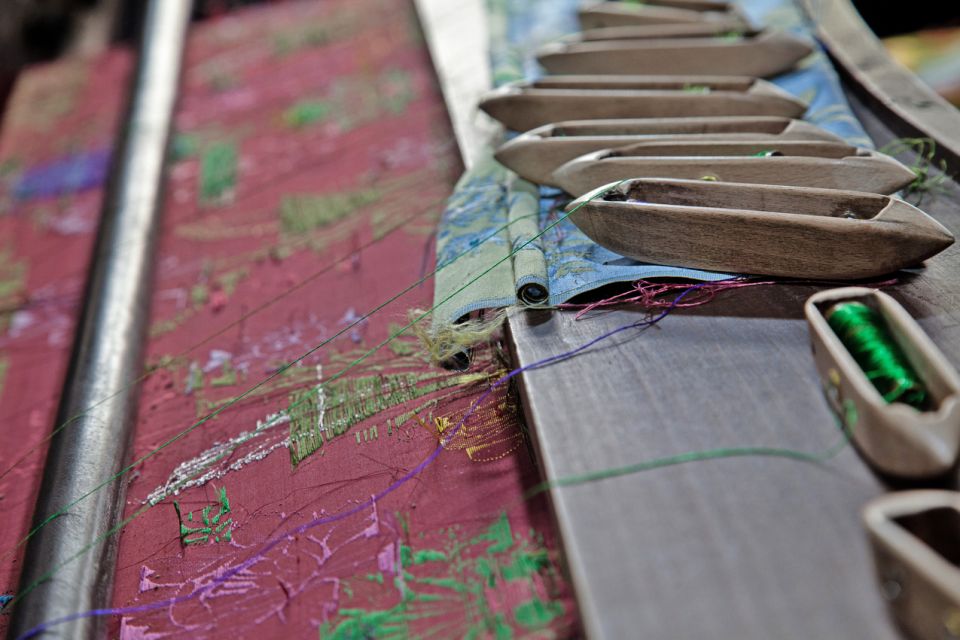
No live guide here—this experience leans on your audio guide via a downloadable QR on your phone. That’s actually a smart approach for a museum like this. You can pause, move at your own speed, and replay a section if something clicks (or doesn’t).
The audio guide is available in Spanish, French, English, and Italian, so you can match your comfort level without hunting for printed translations. In practical terms, it means you spend less time deciphering labels and more time understanding what those labels are trying to tell you.
What the audio helps connect is the full chain behind silk in Valencia. Instead of treating silk as a finished luxury, the guide ties together:
- how the industry organized itself (through guilds)
- how the material was produced (silkworms and rearing)
- how scale of production translated into city prosperity (especially in later centuries)
One small bonus: one visitor specifically highlighted the flooring as memorable. That’s a hint to slow down for a moment early on. Even if you’re focused on the text panels, the building details can add atmosphere.
The Gremi de Velluters: the velvet-weaver guild story
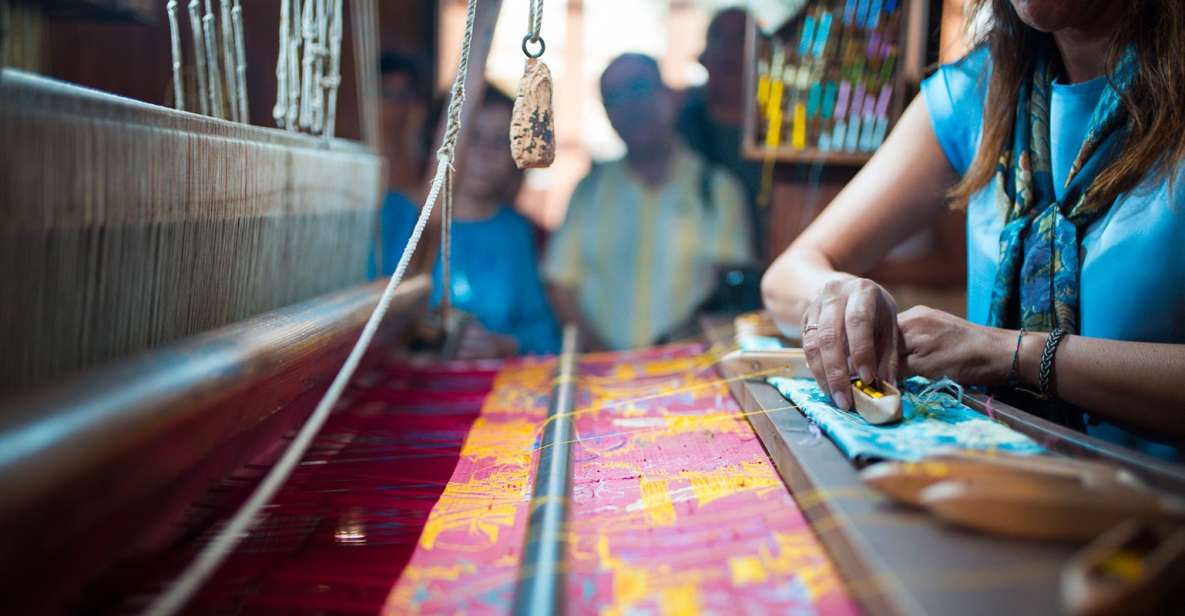
The heart of the museum experience is the Gremi de Velluters, the silk velvet weavers’ guild in Valencia. You’ll learn how the guild established itself in the building that now houses the museum—so you’re effectively looking at an old workplace turned into a teaching space.
This is where the visit becomes more than “pretty artifacts.” The guild angle explains why silk mattered so much: it wasn’t only about making cloth, it was about organizing skilled labor, managing quality, and maintaining status. Velvet in particular was a material people associated with power and wealth, so guild structure wasn’t optional.
For your visit, this means you should pay attention to any exhibit details that connect craftsmanship to social rules. Even without a live guide, the audio track makes that relationship easier to grasp. If you like knowing how industries actually worked—who organized labor, how skills were protected—you’ll find this section especially rewarding.
Silk in Valencia: how production shaped the city
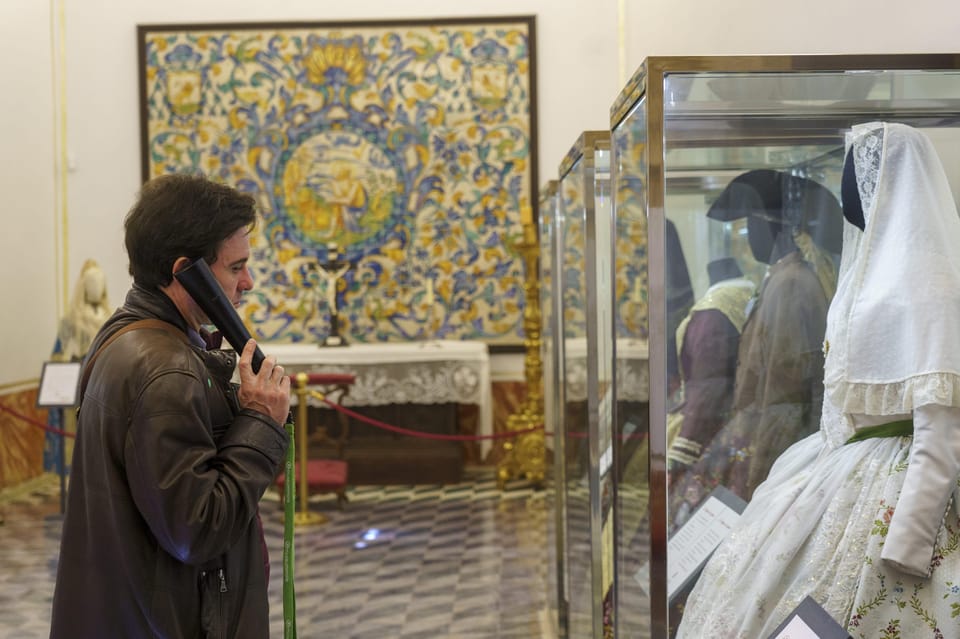
Silk is one of those topics that can get abstract fast. This museum’s approach keeps it grounded in the city’s reality.
You’ll hear about Valencia’s relationship with silk and how it influenced daily life and the local economy. The museum doesn’t just say silk was important; it walks you through why it created momentum for the city over time.
A key point you’ll get from the audio guide: in the 15th century, the Gremi de Velluters were firmly established in the building. Then later, silk production expanded in a way that supported city growth. The museum ties this to the larger picture of materials and labor—especially through the idea of large-scale weaving.
If you’re the kind of traveler who enjoys cultural history that explains cause-and-effect (not just dates), this part is a good match. You leave with a clearer sense of how one luxury textile could shape an entire urban economy.
From silkworms to almost 5,000 looms
Here’s where the museum gets satisfyingly concrete. The audio guide explains when silk was discovered and how silkworms were raised to produce the luxury material. That’s not just biology trivia—it’s a reminder that silk begins with care, time, and labor before it becomes cloth.
Then the museum brings it home with scale: you’ll learn about almost 5,000 looms across the city and how that kind of production contributed to prosperity in the 18th century. Scale changes everything. When you hear about looms multiplying across Valencia, silk stops being a boutique product and becomes an industry that supported jobs, planning, and trade.
For your planning, think of this as the “how it worked” section of the visit. If you’re short on time, this is the part to prioritize during your 45 minutes—because it turns silk from an aesthetic into a working system.
You can also read our reviews of more museum experiences in Valencia





How long to plan: a compact museum visit in 45 minutes
The ticket is built for a short, focused visit: about 45 minutes. That’s usually the right length for a museum that’s story-driven and uses audio to fill in context.
Here’s how to make the most of that time:
- Start the audio immediately after you enter, before you get distracted by exhibits
- Don’t try to read every label if you’re chasing the main story
- If a section grabs you (like the guild or the production scale), slow down and listen fully
The drawback, again, is scale. The museum is relatively small, and if you’re arriving expecting a huge, museum-sized wow factor, you might feel slightly underwhelmed. One past visitor even compared it to larger silk hubs and expected bigger architecture.
So my practical advice: treat this as an efficient, well-focused silk lesson. It’s for people who like industry history and want a fast, meaningful stop rather than an all-day museum commitment.
Where this experience delivers the best value
At $10 per person for about 45 minutes, this is a strong value if you want understanding without long travel or complicated planning. You’re paying for:
- entry to the museum
- the audio guide (downloaded via QR)
- a guided learning structure without the cost of a live guide
In other words, the price matches the format. It’s not priced like a large-scale, multi-hour attraction, and it doesn’t pretend to be one. If you show up ready for a short, educational visit, the experience holds together.
The included languages are also a quiet benefit. No live guide means you rely on the audio track, so the fact that it’s available in multiple languages matters.
What to bring and what to expect on site
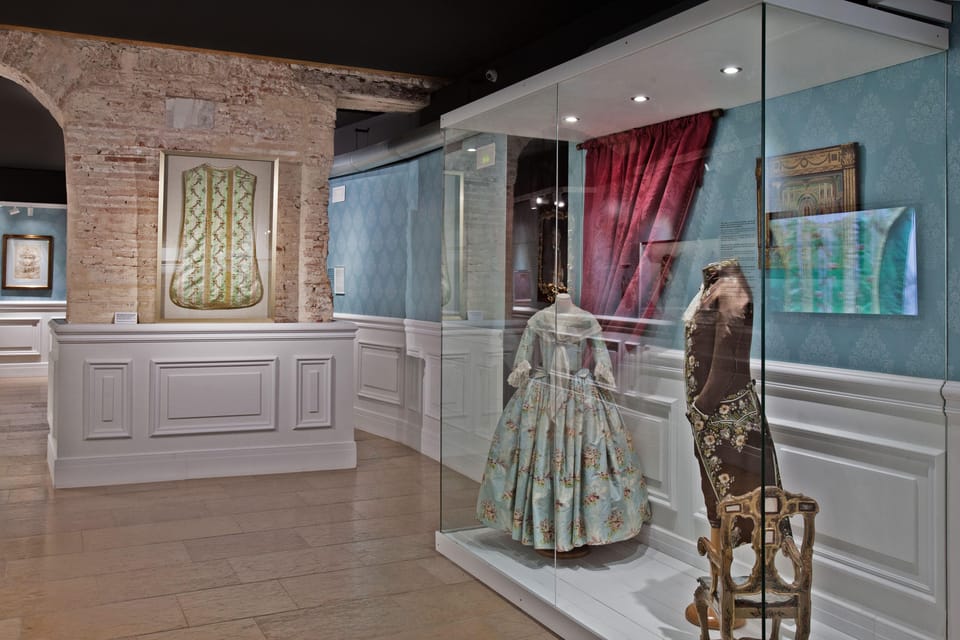
This museum is straightforward, but a little preparation helps. Bring:
- Comfortable shoes (you’ll be walking through exhibit spaces)
- A camera if you like to document details
- Water and comfortable clothes
A few limitations are clearly part of the experience:
- Food and drinks aren’t allowed
- Pets aren’t allowed (assistance dogs are fine)
If you’re planning your day around this, that’s helpful information. You can avoid arriving hungry and then being stuck outside with nowhere to snack.
Should you book the Valencia Silk Museum entry ticket?
Book it if you want a focused silk history stop—one that explains how Valencia’s velvet-weaver guild operated, how silk was produced from silkworms, and how production scale (those thousands of looms) fed city prosperity. At $10 for a 45-minute self-guided visit with a multilingual audio guide, it’s a practical choice.
Skip or adjust expectations if you’re hunting for major architectural showpieces. The museum is compact, and if you came specifically expecting a famous exterior-style feature inside (some people do), you may feel there’s less to photograph than you wanted. It’s still worth it for the story, but go for the information, not the grand spectacle.
FAQ
FAQ
Where is the Silk Museum located?
The address is C/ Hospital nº 7 in Valencia.
How long does the visit take?
The duration is about 45 minutes.
What is included with the entry ticket?
Your ticket includes entry to the Silk Museum and an audio guide available via downloadable QR on your mobile phone.
Is a live guide provided?
No, there is no live guide included.
What languages are available for the audio guide?
The audio guide is available in Spanish, French, English, and Italian.
Where should I enter the museum?
Enter through the main entrance. The museum is across from Paralelo Renew Vintage clothing shop.
What time is the last entry?
The last entry is one hour before closing.
Is food or drink allowed inside?
No food and drinks are allowed.
Are pets allowed?
Pets are not allowed, but assistance dogs are allowed.
Is the museum wheelchair accessible?
Yes, the venue is wheelchair accessible.