REVIEW · FOOD
Valencia Tapas Crawl by Food Lover Tour
Book on Viator →Operated by Food Lover Tour · Bookable on Viator
Tapas this good needs a map. This crawl threads four local food stops with a small group and a guide who explains what you’re eating and why it matters. I especially like the small group of 10 and the way the route stays away from the loudest tourist rhythm. The only real drawback to flag up front: vegan and gluten-free travelers can’t be accommodated.
I also like that it’s built like a full dinner, not a few token bites. You’re in for around 10–12 tapas plus four included drinks over about 3 hours, so you can eat like a local without playing menu roulette.
If you want to try a wide mix of Valencia favorites fast—tortilla, cured meats, seafood, and the sweet regional touch of mistela—this is a practical, fun way to do it.
In This Review
- Key things that make this Valencia Tapas Crawl worth your time
- Why the picaeta style matters more than the menu
- Where you start in Ciutat Vella and how the evening flows
- The four-stop eating plan: what you’ll likely taste and why it works
- Stop 1: comfort starters—tortilla, cured meats, cheese, and ensaladilla
- Stop 2: Valencia vegetable specialties—esgarraet and patatas bravas
- Stop 3: seafood from the fish market—Valencia seafood tastings
- Stop 4: titaina del Cabanyal and a sweet Valencia finish
- Drinks included: wine, beer, and pacing so you still enjoy it
- Price and value: why $90+ can work for a full meal
- Where the experience can go right, and where to stay realistic
- Who should book this Valencia tapas crawl (and who should skip it)
- Should you book it? My decision guide
- FAQ
- How many stops are included?
- How long is the Valencia tapas crawl?
- Is the tour offered in English?
- How many tapas and drinks are included?
- Are vegan or gluten-free travelers able to join?
- Do I need to bring anything like cash or tickets?
- Is bottled water included?
- Where does the tour start and end?
- Is cancellation free if plans change?
Key things that make this Valencia Tapas Crawl worth your time
- Four stops in about 3 hours means more eating, less waiting around.
- Small group (max 10) keeps the pace relaxed enough to ask questions and chat.
- Up to a dozen tapas and four drinks included is the real value driver here.
- Valencian dishes you can’t easily order confidently on your own, like esgarraet and titaina del Cabanyal.
- English-speaking local guide adds context, history, and food reasoning as you walk.
- Meeting point in Ciutat Vella and back again makes the whole evening feel tidy and easy.
Why the picaeta style matters more than the menu
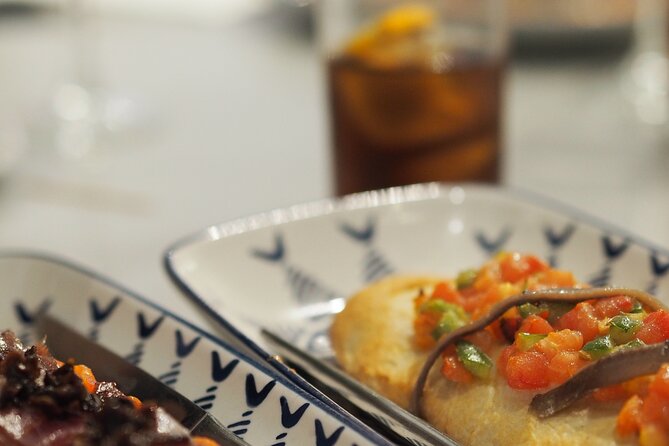
In Valencia, locals often meet for a picaeta, which basically means small bites that everyone shares. The verb picar is the idea of picking and eating in small portions, not plating one big “main course” per person. That sharing rhythm is exactly what makes a guided tapas crawl work. You taste more, you compare flavors, and you don’t end up stuck with one dish you guessed wrong.
I like that the tour’s whole structure matches how tapas actually function in the city. Instead of you ordering one or two items and calling it dinner, the format nudges you into the local way of eating. And that matters in a place like Valencia, where the best bars aren’t always the ones with the biggest English menus.
The other big win: your guide helps you connect the food to the city. You’ll hear explanations of origins and local culture as you move between places, not just facts fired off like a slideshow. Guides you might meet include Victor, Ghita, Andrea, Jack, Geta, Tatiana, and Rita, and the consistent theme in their approach is food-first storytelling.
You can also read our reviews of more food & drink experiences in Valencia

Where you start in Ciutat Vella and how the evening flows
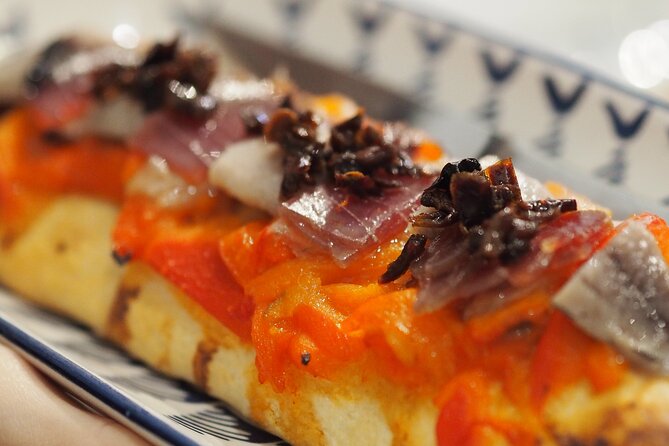
You meet at Pl. del Col·legi del Patriarca, 2, in Ciutat Vella. The tour ends back at the meeting point, so you’re not left figuring out transit or walking home after you’ve had wine and vermouth-style drinks.
It’s a walking tour with four local stops, and the group size is capped at 10. That combination is important. A big group can feel like a moving line. Here, the smaller size gives the guide room to steer you toward good choices and keep the pace comfortable.
Also, the start location being near public transportation helps if you’re mixing this with other plans in Valencia. You can build an easy evening: do this crawl first, then follow up with something light after.
Practical note: because you’re eating close to a full meal, I suggest you don’t arrive starving and over-order later. Give your stomach a chance to keep up with the pace.
The four-stop eating plan: what you’ll likely taste and why it works
You’ll visit four different places, and each one is built around tastings plus a local drink. The included drinks are alcoholic: wine and local beverages, with enough variety that you’re not stuck with one flavor profile all night.
Below is the smart way to think about what’s coming. You’re not just collecting random tapas. You’re moving through styles: comfort classics, cured and cheesy bites, Valencia vegetables, seafood from the fish market, and finally a sweet finish paired with regional flavor.
Stop 1: comfort starters—tortilla, cured meats, cheese, and ensaladilla
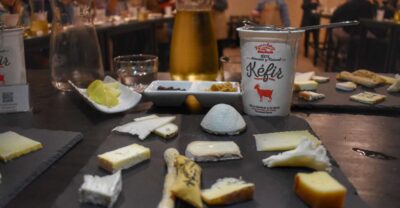
One of your early tastings is the best tortilla de patatas in town, Spanish omelette style. This is a great baseline dish because it’s both familiar and very regional in execution. You’ll also likely hit starter plates that cover the broad Valencian spectrum: Iberian cured meat (including Jamón) and a DOP selection of Valencian cheeses.
DOP Valencian cheese matters for a simple reason: it signals a protected regional product. You’re tasting something with identity, not generic cheese spread.
And then there’s fresh ensaladilla rusa, the Russian salad you’ll see around Spain in Spanish form—creamy, tangy, and designed for sharing. These early bites are a smart warm-up. You get protein, salt, and creamy texture right away, so later dishes like vegetable specialties and seafood feel even more distinct.
Stop 2: Valencia vegetable specialties—esgarraet and patatas bravas
Next up, expect the kind of dishes locals reach for when they want flavor without needing to reinvent the wheel. Two names to listen for are esgarraet and patatas bravas.
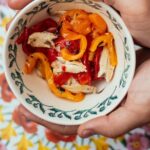
Esgarraet is described as a very appreciated local vegetables specialty. That’s the key takeaway: it’s a regional vegetable dish you don’t always see outside Valencia, and it’s typically built around simple ingredients with careful preparation.
Then comes patatas bravas, the potatoes specialty that Spain does in many ways. Even if you think you know it, the Valencia version tends to show off local seasoning and sauce style. This stop is where your guide’s explanations help most, because bravas can feel like a shortcut dish unless someone points out what makes the local approach different.
You can also read our reviews of more tours and experiences in Valencia


Stop 3: seafood from the fish market—Valencia seafood tastings
A highlight for many food-focused travelers is the seafood selection. The tour includes Valencia seafood, described as fresh selections directly coming from the fish market of Valencia.
That detail matters. Fish that tastes like fish usually means it was handled and moved quickly. It’s also a great contrast to the heavier cured meats and creamy starters you’ve already had.
If you’re trying to understand Valencia’s food identity, seafood is a big part of the story. The city’s coast and its daily food rhythm show up in dishes like this, and a guided crawl makes it easier to order without second-guessing.
Stop 4: titaina del Cabanyal and a sweet Valencia finish
For the final leg, you’ll likely get titaina del Cabanyal, a Valencian version of Spanish pisto. It’s made with peppers, tuna belly, tomato, and pine nuts. That ingredient list is a clue that this isn’t just another vegetable stew—it has depth from tuna and a crunch from pine nuts.
Then you’ll wrap with a fresh and light dessert. The goal is to reset your palate before the final regional sip: mistela. Mistela is sweet wine from the region, and it’s the kind of drink that ties the meal back to Valencia’s flavors in a way beer and standard red wine don’t always do.
If you like ending a meal with something local rather than generic, this is a strong closer.
Drinks included: wine, beer, and pacing so you still enjoy it
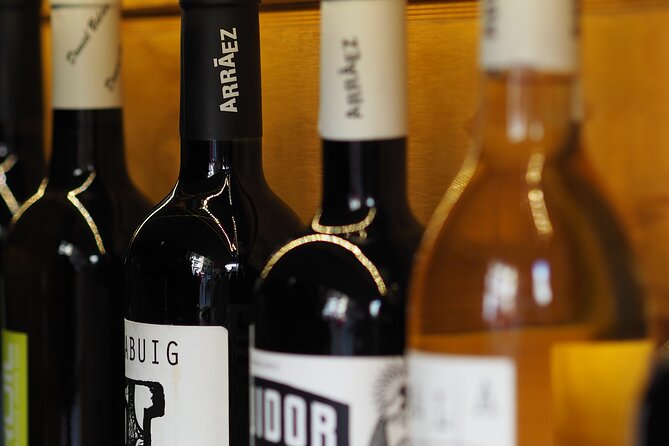
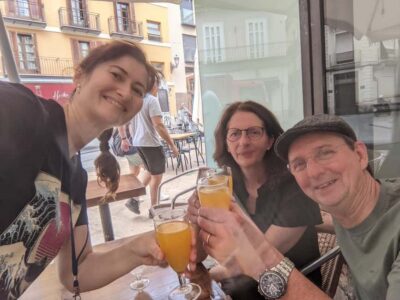
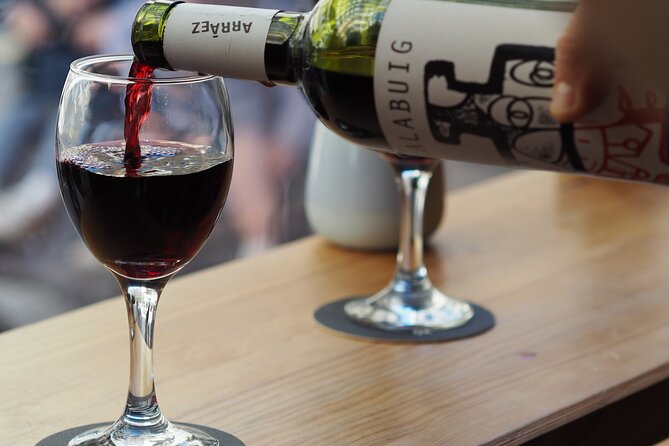
Each stop includes one drink, for four drinks total across the tour. The experience is built around glasses of local wine or beer at each place, plus opportunities to taste local drinks like mistela near the end.
What you should expect: you’re drinking, but it’s also structured. The four-stop pacing helps prevent the classic tapas-crawl problem where you end up too full too fast, then you rush through the final places.
If you want to keep control, pace your sips and don’t drink everything the moment it arrives. You’ll be walking between stops, and you’ll enjoy the flavors more if you slow down a little and let the food do the talking.
Water tip: bottled water and extra drinks aren’t included. One helpful detail from the operator side is that tap water is available if you ask.
Price and value: why $90+ can work for a full meal
At $90.51 per person for about 3 hours, this isn’t a budget snack tour. But it’s priced like a guided dinner, and that’s how you should evaluate it.
Here’s what you’re actually buying:
- Around 10–12 tapas: that’s the portion you’d normally pay for across multiple bars.
- Four included drinks: beverages are often where tapas creep upward.
- Four local stops with a guide: you’re paying for selection help, ordering help, and cultural context while you move around.
- Small group size: this is part of the cost, but it’s also why you’re more likely to feel included rather than herded.
Now the fair caution: a few experiences didn’t feel like the meal delivered the way the price suggests. That shows up as complaints about portions or variety, and about being a bit stingy with extras like bread and water. To protect yourself, go in expecting tastings and a guided flow, not a restaurant-style plated feast with bread service.
Dietary caution is another value factor. Vegan and gluten-free travelers can’t participate, so if you fall into that category, you’ll need a different plan.
Where the experience can go right, and where to stay realistic
This crawl tends to work best when you treat it like a guided tasting evening, not a rigid checklist.
On the plus side, many guides are praised for being engaging and for explaining dishes in a way that makes the food feel connected to Valencia. Names that come up often include Victor and Ghita, along with others like Andrea, Jack, Geta, Tatiana, and Rita. Across those guides, the strong thread is variety: you’ll usually get enough different tapas styles that you discover dishes you wouldn’t choose on your own.
On the watch-out side, a minority of guests felt the pacing got rushed. That typically happens when a group moves quickly out of a place and doesn’t get a breather. If you’re the type who likes to linger and browse menus slowly, you might feel the time pressure.
Also, the tour is alcohol-included. If you’re sensitive to alcohol or you want a low-drink evening, this may not fit your rhythm as well.
Who should book this Valencia tapas crawl (and who should skip it)
You should book if:
- You want an easy way to try a wide range of Valencian dishes in one night.
- You like sharing and comparing food flavors, which fits the picaeta style.
- You want help ordering and want the cultural context while you walk.
- You’ll enjoy a small international group, since the max size is 10 and the format encourages conversation.
You should skip or consider another option if:
- You need vegan or gluten-free food. This tour doesn’t accept those dietary needs.
- You want a quieter, sit-down dinner with lots of time per course.
- You don’t want alcohol involved at all.
If you’re a first-timer in Valencia, this is also a smart “get your bearings fast” plan. It points you toward local neighborhoods and food styles you can build on after.
Should you book it? My decision guide
Book this Valencia Tapas Crawl if your priority is food variety plus local guidance, with enough included tastings to feel like dinner. The math is straightforward: four stops, around 10–12 tapas, and four drinks in about 3 hours. For $90.51, you’re paying for convenience, selection, and the pacing of a guided meal.
Skip it if dietary needs are part of your travel reality, or if you’re expecting bread, bottled water, and extra freebies as standard. This tour is built around included tastings and included drinks, not add-on comforts.
If you want a fun, practical start to your Valencia trip—especially on an evening when you don’t want to gamble on where to eat—this is a strong pick.
FAQ
How many stops are included?
The tour includes four local stops.
How long is the Valencia tapas crawl?
It runs for about 3 hours.
Is the tour offered in English?
Yes, the tour is offered in English.
How many tapas and drinks are included?
You’ll get dinner tapas and local tastings, around 10–12 tapas, plus four drinks included (one drink at each stop).
Are vegan or gluten-free travelers able to join?
No. Vegan and gluten-free people are not accepted.
Do I need to bring anything like cash or tickets?
You’ll have a mobile ticket.
Is bottled water included?
No. Bottled water (mineral water) and extra drinks are not included.
Where does the tour start and end?
It starts at Pl. del Col·legi del Patriarca, 2, in Ciutat Vella, and it ends back at the same meeting point.
Is cancellation free if plans change?
Yes, free cancellation is available up to 24 hours in advance for a full refund.