REVIEW · COOKING CLASSES
Valencian paella cooking class, tapas and visit to Ruzafa market.
Book on Viator →Operated by My First Paella · Bookable on Viator
Paella gets real when you shop first. This class pairs a guided walk through the Mercado de Ruzafa with a hands-on paella cooking session with local chefs, plus tapas and a sangria workshop. I love that you’re cooking with ingredients you picked (so the flavors make sense), and I love the step-by-step cooking so you actually learn what to do. One consideration: you will be eating and drinking the whole time, so come with an empty stomach and be ready to participate, not just watch.
You meet at Parroquia de San Valero in L’Eixample, head to the market, then walk about 8 minutes to the kitchen. The group stays small (up to 20), and the format is built around action: buy ingredients, make sangria, prep paella, then sit down to a full lunch with sides and dessert.
If your travel style is practical and food-focused, this is a sweet match. You’ll leave with real technique you can use at home, not just a postcard.
In This Review
- Key Things You’ll Notice About This Paella Class
- Meeting at Parroquia de San Valero and Finding the Right Pace
- Mercado de Ruzafa: Why the Market Stop Is the Secret Ingredient
- The Short Walk to the Kitchen (8 Minutes) and the Pre-Cooking Feast
- Sangria Workshop: More Than Just a Drink Lesson
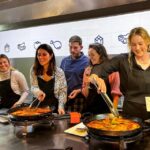
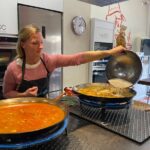
- Cooking Valencian Paella (Chicken and Rabbit) Step by Step
- What You Eat: Tapas, Valencian Tomato Salad, Wine, Dessert, Coffee
- Practical Details: Timing, Group Size, and What to Expect
- Price and Value: What $78.60 Really Covers
- Who Should Book This Paella Class (and Who Might Skip It)
- Should You Book My First Paella in Valencia?
- FAQ
- FAQ
- Where do we meet for the Valencian paella class?
- How long is the experience?
- Is the class offered in English?
- What do you actually cook during the class?
- Do you get food and drinks included?
- Is there a market visit?
- Can kids join?
- Is there a refund if plans change?
Key Things You’ll Notice About This Paella Class
- Mercado de Ruzafa shopping first so your paella ingredients feel personal, not random
- Sangria workshop plus tapas before you touch the stove
- Authentic Valencian paella style made with chicken and rabbit
- Step-by-step instruction that helps you understand the why, not just the how
- A full lunch with wine, sweet wine, coffee, and dessert included in the price
- Small group setup (max 20) that keeps the energy friendly and interactive
Meeting at Parroquia de San Valero and Finding the Right Pace
The day starts at Parroquia de San Valero, on Carrer del Pare Perera in L’Eixample. It’s a clear, central meeting spot, and it matters because it keeps the whole flow tight: market visit, then a short walk to the kitchen area.
The tour is about 3 hours 30 minutes, so you’re not signing up for a half-day “sightseeing marathon.” Instead, it’s a tight food experience with enough time to learn, cook, and eat without rushing through everything.
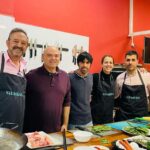
One smart detail: the class is offered in English, and it runs with a small max group size (up to 20). That group size helps the chefs actually guide you while you’re working. And since you’re doing hands-on tasks, you’ll want to show up ready to move and follow instructions.
You can also read our reviews of more shopping tours in Valencia
Mercado de Ruzafa: Why the Market Stop Is the Secret Ingredient
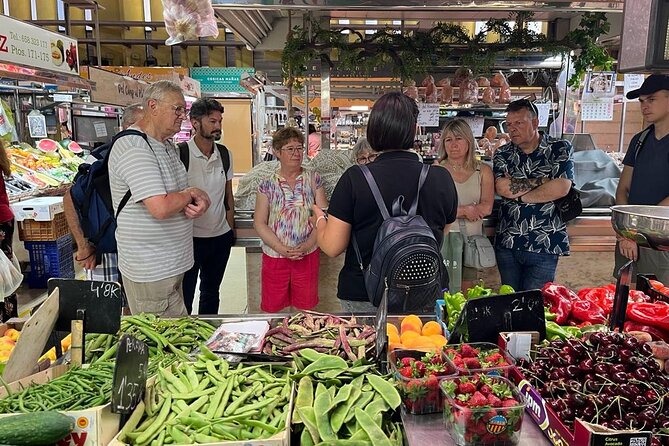
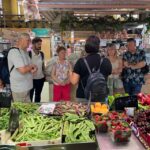
The best paella classes connect the recipe to the ingredients. Here, you start at Mercado de Ruzafa, and you go together to buy the fresh products needed for the paella. That’s not just for fun. Fresh produce changes everything about flavor and texture, and it also explains why Valencians take ingredient quality seriously.
While you’re shopping, your host shares context about the origin of paella and Valencian customs and culture. You don’t need a lecture to enjoy this part. It’s the kind of background that makes what you’re about to cook feel like part of a local tradition, not a cooking demo.
What to expect in the market phase:
- A guided walk where you learn what matters in Valencian paella ingredients
- Buying fresh items as a group, so you understand what’s going into your pan
- A culture-and-customs explanation that ties food to everyday life
A small practical note: since the market stop feeds directly into your cooking, bring a normal level of focus. It’s not a lazy stroll where you can wander off and still get the full benefit.
The Short Walk to the Kitchen (8 Minutes) and the Pre-Cooking Feast
After the market, you walk about 8 minutes to the kitchen. That short transfer keeps the momentum. There’s no long gap where you’re just waiting around.
Once you arrive, the chef is ready with tapas and drinks. This is where the class shifts from shopping-and-storytelling into action-and-appetite. You’ll get:
- Tapas served with sangria (and also beer, water, and other drinks)
- A sangria-making workshop
- Time to settle in before cooking
This is one of the highly praised parts of the experience. People consistently mention the energy and the fun of eating together before the actual cooking. It also makes the whole session feel social, which is a big part of how paella is traditionally enjoyed.
If you want the full experience, don’t show up expecting to be “on duty” the entire time. The tapas and sangria are built into the structure to get everyone relaxed and talking before you start cooking.
Sangria Workshop: More Than Just a Drink Lesson
The sangria workshop happens right at the kitchen stop. You’re not just served a glass and sent on your way. You get hands-on guidance as part of the class rhythm.
Why this matters: sangria pairs naturally with the tapas stage, and it also sets the tone for the meal that follows. You’ll taste and learn in the same session, so it doesn’t feel like a random add-on. The workshop is also a social reset. After the market walk, it gives you something shared and active before the more technical cooking begins.
A point to consider: you’ll have wine-based drinks included (including sangria and other options like mistela). So if you’re the type who prefers pace control, plan your water breaks and keep an eye on how you feel once cooking gets hot and hands-on.
Cooking Valencian Paella (Chicken and Rabbit) Step by Step
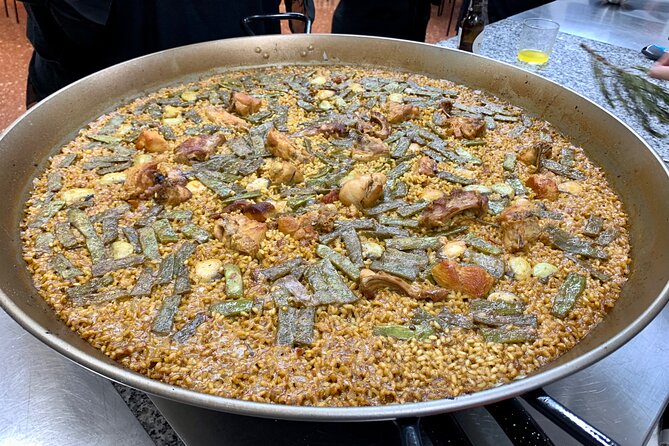
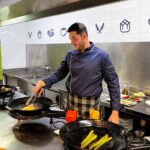
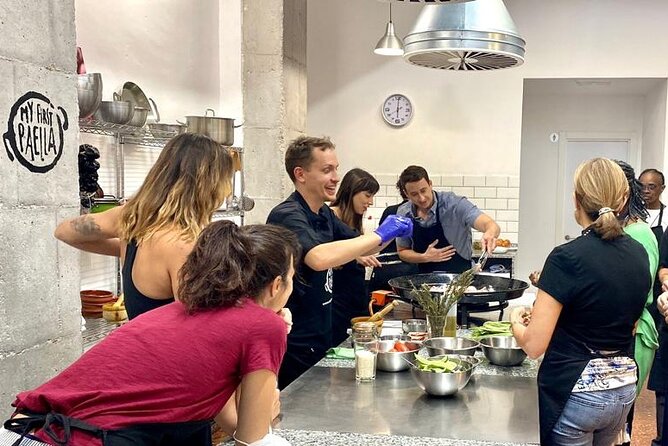
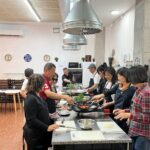
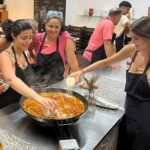
Now for the main event: the authentic Valencian paella cooking. The chef walks you through the process step by step, and you cook together as a group.
The paella here is made with chicken and rabbit, which is a key detail. Some paella versions you see outside Valencia lean heavily on seafood or skip the rabbit. This class sticks to a more classic Valencian approach, and that’s part of why it feels authentic.
What makes the instruction work:
- You’re guided in order, so you understand timing and sequence
- The teaching approach is interactive, not just “watch the chef”
- Even small tasks matter, and you learn what those tasks do for the final result
One practical tip that comes up from how the class runs: be ready for a bit of physical effort depending on your role. For example, if you volunteer for a hands-on step like grinding or prep work, it can be more work than you expect. It’s not extreme, but it’s enough to notice.
Also, don’t treat this like a high-pressure test. The vibe is built for learning, and the group size helps keep things moving without chaos.
You can also read our reviews of more tours and experiences in Valencia
What You Eat: Tapas, Valencian Tomato Salad, Wine, Dessert, Coffee
When you finish cooking, you sit down and taste what you made. The meal isn’t light. It’s a full spread designed to complete the experience, with classic pairings.
Here’s what shows up in the main menu format:
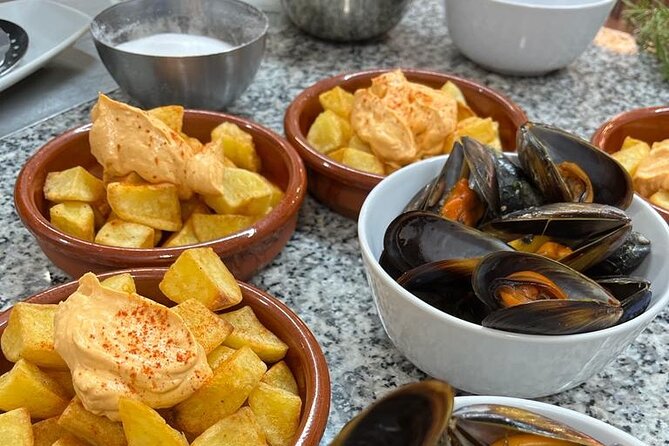
- Tapas starter: patatas bravas with sojanesa, jamón serrano, manchego cheese, steamed mussels, olives
- Main: Valencian tomato salad plus your paella
- Dessert: seasonal fruit, Valencian sponge cake
- Drinks included: wine, sangria, mistela (fortified wine), sweet wine, plus coffee
That Valencian tomato salad is especially important. In real Valencian meals, salads and simple sides balance heavier flavors. Tomato salad also helps cut through richness, so your paella tastes better, not heavier.
I also like the drink lineup because it’s not one-size-fits-all. You’re offered wine and sweet wine options along with mistela, and you’ll have coffee to close things out. This makes it feel like a complete lunch with local pairings rather than a quick bite after cooking.
Practical Details: Timing, Group Size, and What to Expect
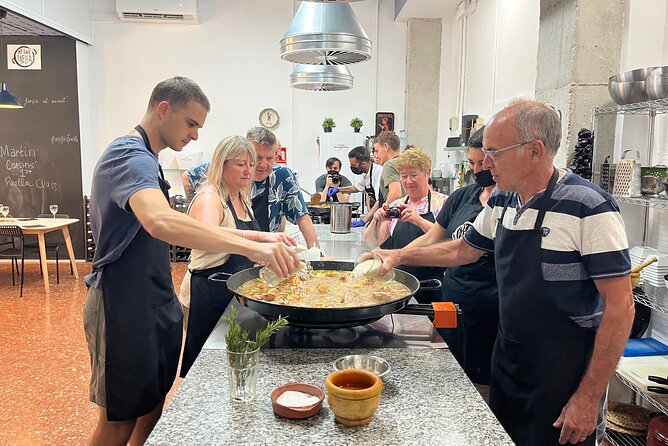
This runs about 3 hours 30 minutes. With a market stop, sangria and tapas stage, then the cooking and tasting, the schedule stays structured and predictable.
A few practical realities:
- Group size max is 20, which helps keep the class interactive
- You’ll likely do a mix of cooking tasks and prep steps rather than only watching
- You walk around 8 minutes between the market area and the kitchen
English is available, and you’ll receive confirmation at booking. The tour also uses a mobile ticket, which is convenient if you’re trying to keep things paper-free while traveling.
One more consideration for the best experience: this is designed for participation. If you want a full-on cooking assignment, you’ll enjoy it. If you want a hands-off food show where you simply observe, you might feel impatient.
Price and Value: What $78.60 Really Covers
At $78.60 per person, this isn’t a low-cost activity. But it’s also not just a “pay for instruction” situation.
You’re paying for:
- A market visit where you buy fresh ingredients as part of the paella process
- A hands-on cooking class with step-by-step guidance
- Sangria workshop and tapas
- A full sit-down meal with paella plus sides
- Drinks included: wine, sangria, mistela, sweet wine, coffee
- Dessert and seasonal fruit
That bundled approach is what makes the price feel fair. Many cooking classes cover the lesson but make you cover food and drinks separately. Here, it’s built as one experience, and you get the benefit of eating the result you cooked.
Also, the small group setup matters for value. When you cook with a chef and a manageable group size, you learn more and you feel more involved. That’s part of why people rate it so highly.
Who Should Book This Paella Class (and Who Might Skip It)
This experience is a strong match if you:
- Want a real cooking skill you can repeat at home
- Like food that has a clear local identity, not generic tourist paella
- Enjoy social meals with wine, sangria, and conversation
- Want a market + cooking + lunch format in one organized block
You might think twice if you:
- Prefer quiet, museum-style touring over hands-on classes
- Don’t want alcohol in your itinerary, even though drinks are included in the plan
- Are traveling with limited time and need a shorter, lighter activity
If you’re solo, this is also a good choice because the format is built for meeting people while you cook and eat.
Should You Book My First Paella in Valencia?
Yes, if you want a paella experience that feels like Valencia, not just a cooking demonstration. The market stop gives context. The sangria workshop and tapas set the mood. Then you get real instruction while making a classic Valencian version with chicken and rabbit.
Book it if you enjoy interactive food experiences and want to leave with both technique and a full, satisfying meal. If you’re cautious about participating or you’re not into a meal-heavy schedule, choose a different kind of Valencia activity.
FAQ
FAQ
Where do we meet for the Valencian paella class?
You meet at Parroquia de San Valero (Carrer del Pare Perera, 6, L’Eixample, 46006 València, Valencia, Spain). The activity ends back at the meeting point.
How long is the experience?
It runs about 3 hours 30 minutes.
Is the class offered in English?
Yes. The experience is offered in English.
What do you actually cook during the class?
You cook authentic Valencian paella made with chicken and rabbit, following the chef’s step-by-step instructions.
Do you get food and drinks included?
Yes. Tapas, sangria, beer, water, wine, mistela (fortified wine), Valencian tomato salad, dessert (including Valencian sponge cake), sweet wine, and coffee are included.
Is there a market visit?
Yes. You visit Mercado de Ruzafa with the group and purchase the fresh products needed to cook the paella.
Can kids join?
Children must be accompanied by an adult.
Is there a refund if plans change?
You can cancel for a full refund if you cancel up to 24 hours in advance of the experience’s start time.