REVIEW · COOKING CLASSES
Real Paella Cooking Class – Market Visit & Sangría Workshop
Book on GetYourGuide →Operated by My First Paella · Bookable on GetYourGuide
A crispy socarrat is hard to fake. This small-group class pairs a real Ruzafa Market walk with step-by-step paella cooking so you leave with technique, not just a meal. I especially like how the chefs teach like they grew up making it, and you actively cook rather than watch from the sidelines.
One clear plus is the neighborhood market start, where you shop alongside locals instead of circling a photo line.
I also really like the focus on the part Valencians obsess over: the socarrat—that golden crust at the bottom. With instructors like Anna and Jose leading the way (and other crew such as Guillermo, Christina, and more), you get corrections while you cook, plus plenty of tapas and drink while you’re learning. If you’re sensitive to alcohol, just know sangria is served bottomless and there are wine options too.
The only drawback to flag is timing. At 3.5 hours, you’ll cover a lot—market stop, tapas, drinks, cooking, and a full sit-down meal—so it’s not the slow, wander-at-your-own-pace kind of experience.
In This Review
- Key things that make this class worth your time
- Meeting at San Valero: how the day starts in real Valencia
- Ruzafa Market shopping: why the neighborhood start is a big deal
- Tapas, sangria, and DO Valencia wine before you touch the rice
- The paella workshop: how you learn socarrat for real
- Meat or seafood paella: choose your style and keep it authentic
- Eating what you made: salad, coca de llanda, coffee, and mistela
- Drinks and group vibe: fun is part of the method
- Price and value at $77: where you really get your money’s worth
- Who this paella class is best for (and who might want something else)
- Should you book the Real Paella Cooking Class – Market Visit & Sangría Workshop?
- FAQ
- Where is the meeting point?
- How long is the experience?
- What paella styles can you cook?
- What drinks and extras are included?
- Is the tour guide available in English?
- Is there free cancellation and can I pay later?
Key things that make this class worth your time
Ruzafa Market shopping with local rhythm instead of the packed tourist scene
Socarrat coaching with practical tips you can repeat at home
Hands-on paella prep under Valencian chefs who correct your technique
Sangria workshop plus DO Valencia wine while you cook
A real meal afterward with tomato salad, coca de llanda, coffee, and mistela
Take-home recipe you can use, not a vague memory
Meeting at San Valero: how the day starts in real Valencia
You’ll meet at the door of the Church of San Valero, then get moving right away. That first walk matters because it puts you in Valencia’s daily food world before you ever see a pan. The energy is also very practical: people arrive, get briefed, then flow into the market visit as a group.
This is the kind of start that makes the whole afternoon click. When you later learn why certain ingredients matter—rice type, saffron amount, and how the sofrito should smell—you already understand what you’re looking for. You’re not starting from a blank slate.
You can also read our reviews of more shopping tours in Valencia
Ruzafa Market shopping: why the neighborhood start is a big deal
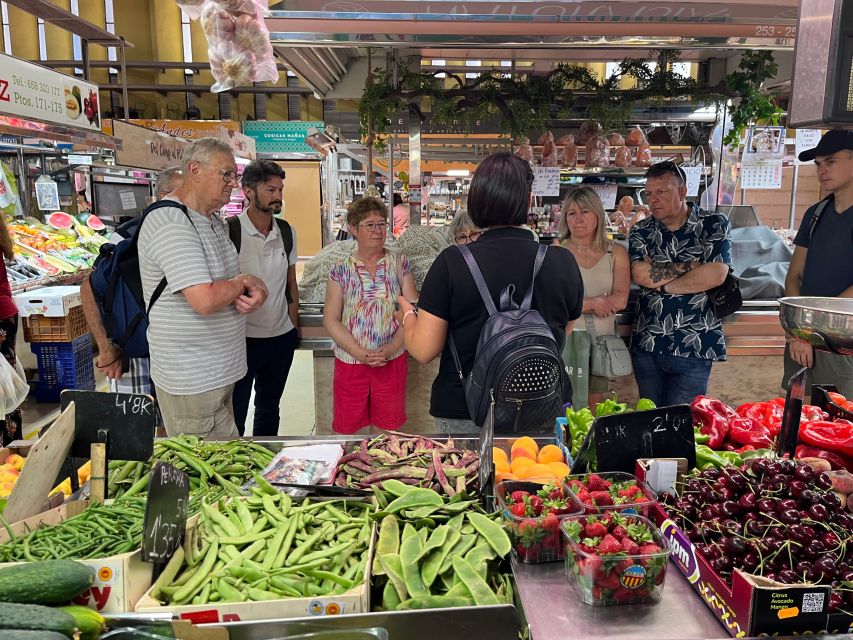
This class doesn’t begin at the famous central spot that tends to feel like a set. It starts in Ruzafa Market, where locals shop and the pace is more normal. That changes how you pay attention.
Here’s what you gain from shopping this way:
- You see produce and pantry items that actually show up in Valencian kitchens.
- You can ask ingredient questions in context, instead of guessing later.
- You get the sense of how markets work day-to-day in Valencia—quick stops, chatting, and choosing what looks best.
And you’ll do this with your chef’s guidance. The class is built around the idea that paella isn’t just a recipe—it’s ingredient judgment. Even if you’re not an expert cook, it’s easier to learn when someone shows you what quality looks like and why it matters for flavor.
Tapas, sangria, and DO Valencia wine before you touch the rice
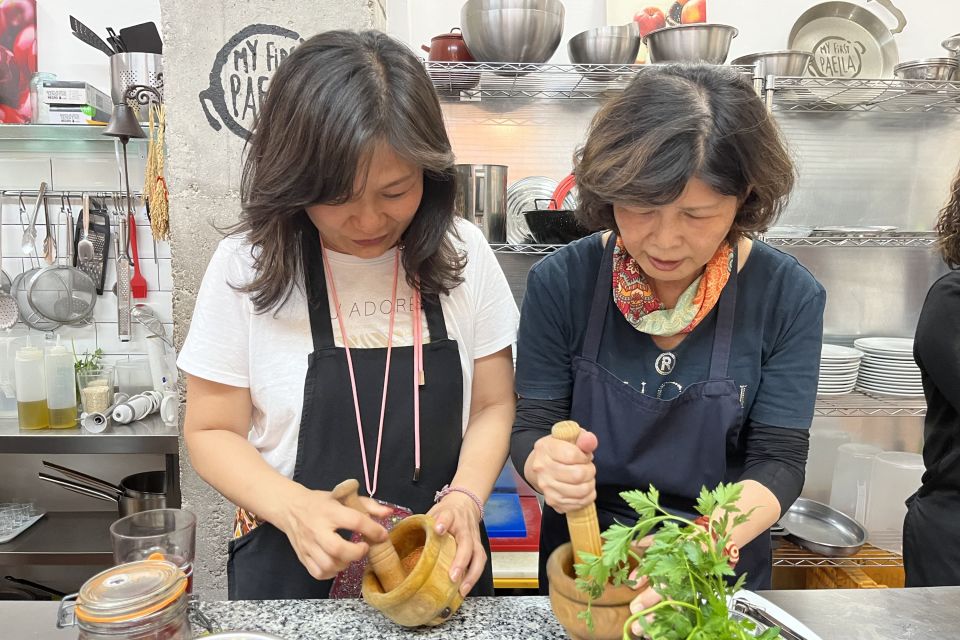
Before cooking, you’ll get homemade tapas and drinks—enough to settle in and actually enjoy the start. The menu includes Spanish classics like manchego, jamón, patatas bravas, steamed mussels, and olives. It’s a smart way to build the “Valencia table” feeling early, not as an afterthought.
While you eat, you’ll learn how to make sangria and toast with DO Valencia wine, plus beer and soft drinks options. This part is fun, but it also has a training purpose: you’re warming up your palate before the cooking lesson, and the guides keep explaining how local flavors are balanced (sweet, acid, and aromatic spices) instead of treating it like a novelty drink.
One note for practical planning: the sangria is served bottomless, so if you want to pace yourself, do it early. A good strategy is to drink slowly while you snack, then keep water nearby while the cooking gets more hands-on.
The paella workshop: how you learn socarrat for real
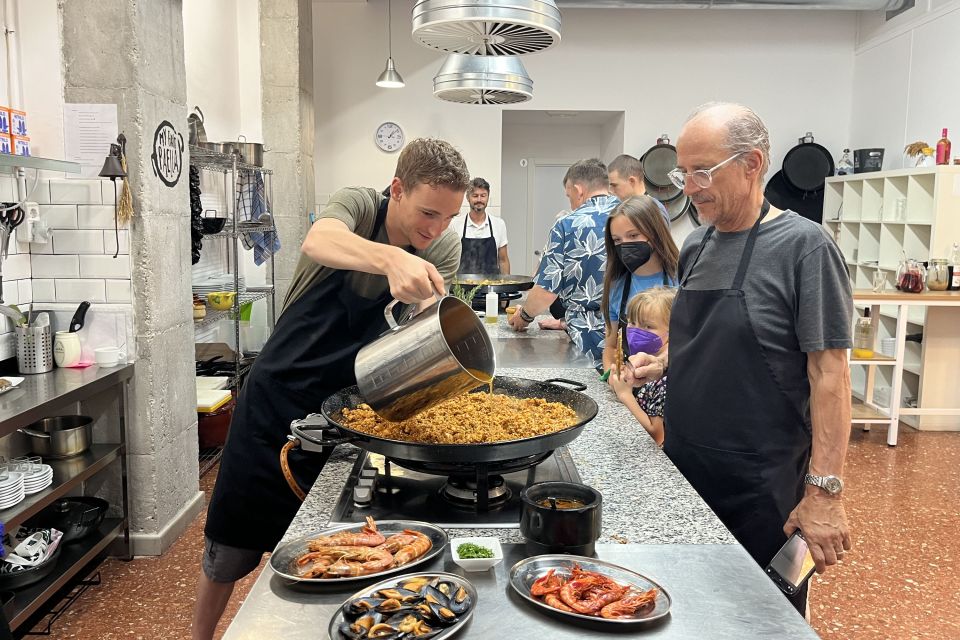
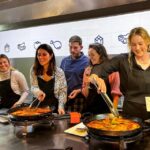
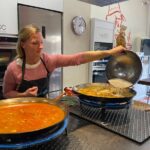
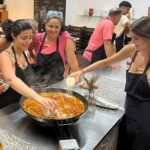
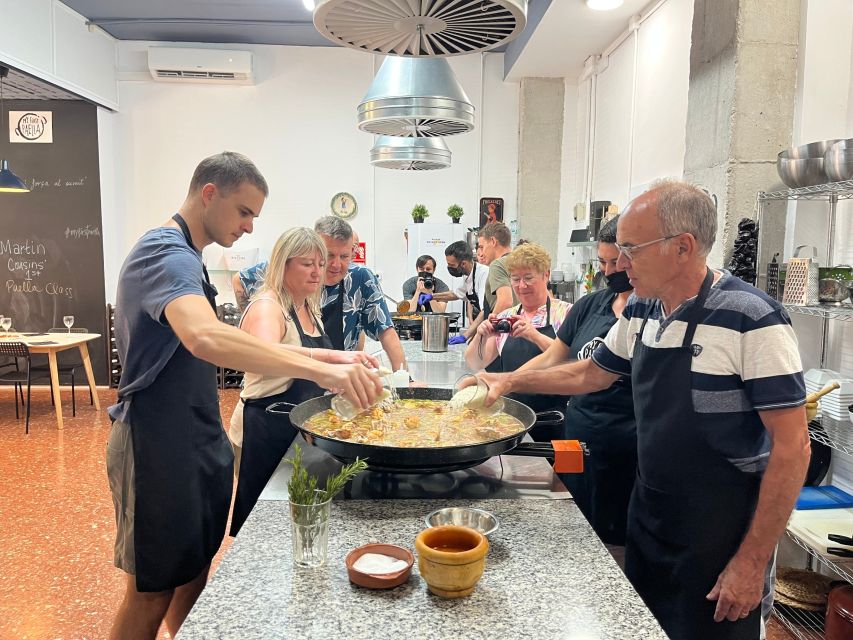
This isn’t a cooking show. It’s a hands-on class with enough guidance that your technique improves while you’re doing it. The chefs are very direct—correcting your moves, explaining what to watch for, and making you think about timing.
The main teaching focus is authentic Valencian paella and the key skill Valencians call socarrat. That crispy bottom layer is where paella stops being “rice with stuff” and starts becoming the dish people argue about. In this class, you don’t just hear the word—you learn the mechanics.
A few of the technique points you’ll hear during the lesson:
- Why the class uses J. Sendra rice (rice choice affects how the grains behave).
- How to think about saffron amount—you’re aiming for aroma and color without going overboard.
- The steps and heat control needed for the right socarrat development, so the bottom toasts instead of burning.
The best part is that you’re learning under instruction while you’re actively cooking. That’s what turns “I watched a video” into “I can do this at home.”
Meat or seafood paella: choose your style and keep it authentic
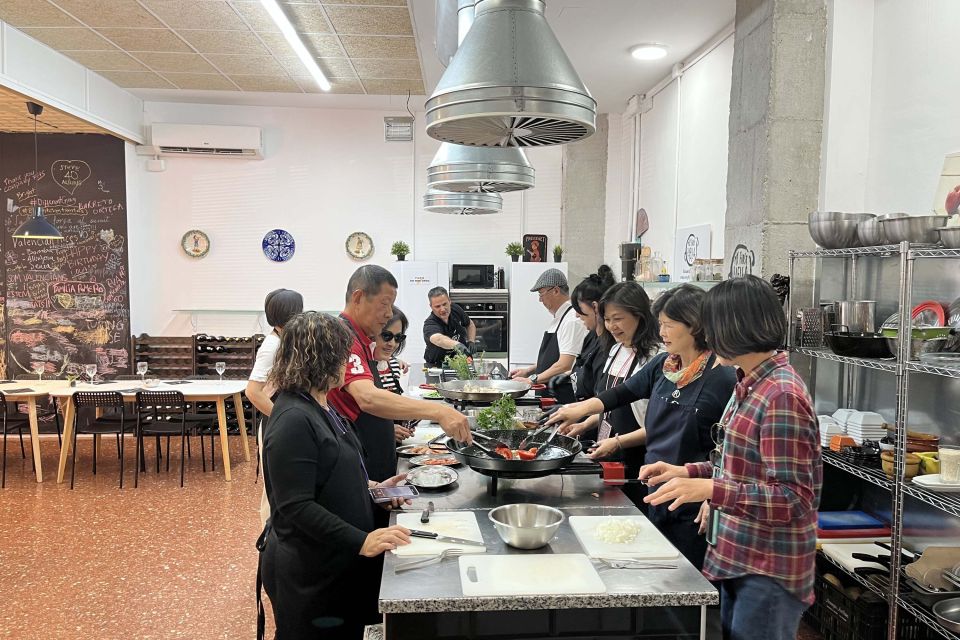
You’ll make one of two traditional styles:
- Valencian meat and vegetables paella, or
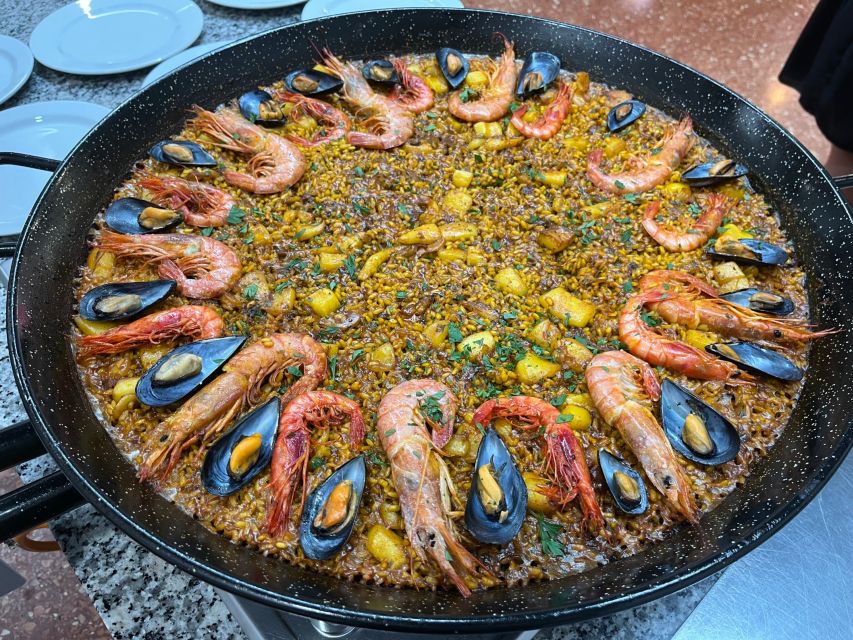
- Seafood paella, prepared with salmorreta sofrito.
The class structure is built around not mixing these identities. You’ll learn the approach that fits the paella style you’re cooking, and you’ll get guidance on how the base should look and smell before rice hits the pan.
If you’re the decision-making type, here’s how I’d choose:
- Pick meat and vegetables if you want the classic profile that feels “everyday Valencian,” grounded and savory.
- Pick seafood if you want something brighter and more ocean-forward, with a sofrito base that stays cohesive.
Either way, you’ll learn why the process is sequential. Paella isn’t random stirring. It’s building layers of flavor and then getting the heat right through the rice phase.
You can also read our reviews of more tours and experiences in Valencia
Eating what you made: salad, coca de llanda, coffee, and mistela
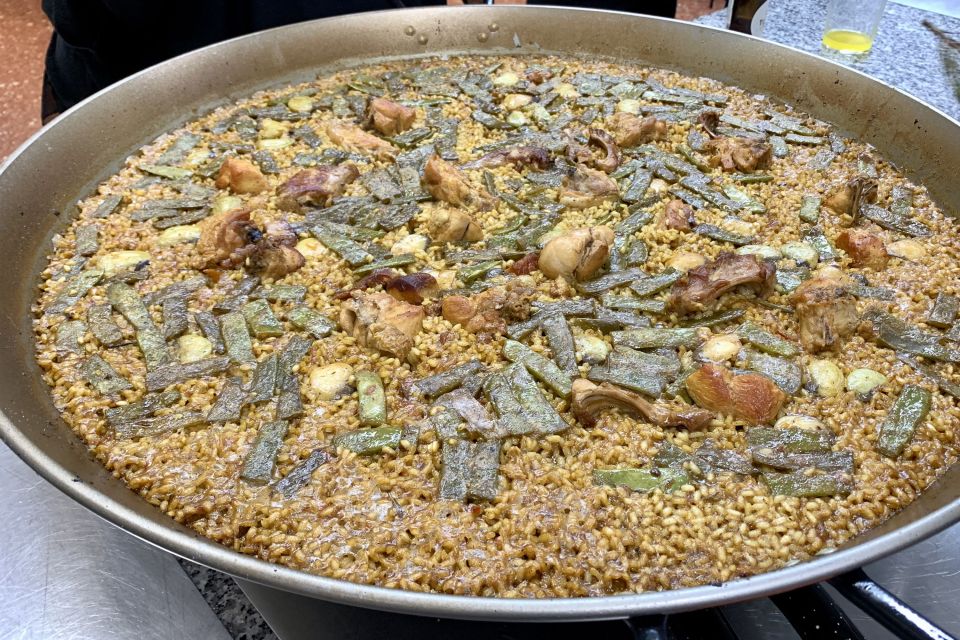
Once your paella is ready, you all sit down together and eat. This isn’t a quick standing-and-walking meal. It’s a full plating moment that helps you connect the final taste to the steps you just learned.
Your paella is served with:
- Valencian tomato salad
- Seasonal fruit
- Coca de llanda (local sponge cake)
- Coffee
- A finishing shot of mistela
You’ll also get dessert and brand y > mistela is part of how the finale is handled. It’s a very Valencian way to close: you don’t just finish with sugar, you finish with a traditional sweet fortified drink.
This meal portion matters more than it sounds. The point of a cooking class is not only learning technique but tasting the result immediately. You’ll be able to say, with confidence, what you did right because you can connect it to the final dish.
Drinks and group vibe: fun is part of the method
A lot of classes sell “authentic” and then feel stiff. This one stays social without losing the instruction. Guides and staff create a family-like atmosphere—people are included in tasks and supported while they cook.
You may find the group is larger than you expect, but that doesn’t seem to hurt the experience. The energy tends to be friendly, and many people enjoy meeting others at the table. If you’re traveling solo, this kind of setup is often the fastest way to stop eating alone.
And yes, the booze supply is generous: sangria flows, and there’s wine with the meal plus shots included (with non-alcoholic options available). If you want to keep it classy, you can still enjoy it without getting swept up.
Price and value at $77: where you really get your money’s worth
$77 per person sounds like a lot until you break down what you’re actually paying for.
Here’s the real value equation:
- You’re paying for a chef-led, hands-on paella lesson (technique instruction, not a passive demo).
- You get a guided market visit that’s designed to be local, not touristy.
- The class includes tapas, ingredients, and a full meal with dessert, coffee, and mistela.
- Drinks are included: bottomless sangria, plus beer and wine.
For a lot of cooking experiences, you either pay for a nice meal or you pay for a class. Here you get both, plus the market start. That’s why it tends to feel fair for couples, groups of friends, and solo travelers who want a day plan that feels like Valencia instead of just “another activity.”
Who this paella class is best for (and who might want something else)
This works well if:
- You want an authentic Valencian skill you can repeat—especially socarrat.
- You like cooking that’s structured, guided, and hands-on.
- You enjoy food with social energy: tapas first, then cooking, then eating together.
- You want a Valencia neighborhood experience via Ruzafa Market.
You might want a different option if:
- You prefer very quiet experiences with no alcohol component.
- You’re looking for a long, slow meal with flexible pacing. This one is packed and time-efficient.
Should you book the Real Paella Cooking Class – Market Visit & Sangría Workshop?
If you want the paella lesson that takes you beyond guessing, I think this is a strong book. The standout is the combination of market-to-pan teaching and the intense focus on socarrat, plus a finish that feels like a proper Valencian table.
Book it if you have a 3.5-hour window in Valencia and you’d like a day that covers shopping, cooking, and eating without feeling like homework. Skip it only if you dislike alcohol enough that bottomless sangria would be a real problem, or if you’d rather do a more independent food walk.
FAQ
Where is the meeting point?
Meet your guide at the door of the Church of San Valero.
How long is the experience?
The class runs for 3.5 hours.
What paella styles can you cook?
You can make either a meat and vegetables Valencian paella or a seafood paella with salmorreta sofrito.
What drinks and extras are included?
You’ll get homemade tapas, bottomless sangria, beer, wine (including DO Valencia wine), and coffee. There’s also dessert and a mistela shot at the end.
Is the tour guide available in English?
Yes, the live tour guide is available in English.
Is there free cancellation and can I pay later?
You can cancel up to 24 hours in advance for a full refund, and you can reserve now and pay later.