REVIEW · 7-DAY EXPERIENCES
1 week intensive Spanish course + conversation workshop
Book on Viator →Operated by Taronja Spanish School · Bookable on Viator
One week, big Spanish momentum. In Valencia, Taronja School pairs real Spanish lessons with a daily conversation workshop, then pushes you to use it around the city.
You’re paying for more than homework. You’re getting structured language practice, plus an activities program that helps you talk with other students in real situations.
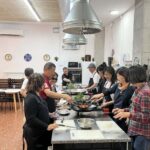
What I like most is the way the school builds speaking confidence through small groups and active teacher support. Another big plus is the culture-and-community angle: you’re not just in a classroom, you’re out at events like paella and cooking-style activities when the schedule allows.
One consideration: accommodation isn’t included, and the week moves fast. Plan to be out and engaged most days, or you may feel the short timeline more than you expected.
In This Review
- Key points before you go
- Valencia + Taronja: a Spanish course in the old town
- Price and logistics: what $307.05 really buys
- Placement test + levels: how they keep you on the right track
- What a typical day feels like: class blocks and the 1-hour workshop
- Teachers, teaching style, and that confidence boost
- The activities program: paella, cooking, clubs, and real speaking chances
- Meeting other students: international mix, small groups, and lasting progress
- Who this one-week intensive suits best
- Should you book this one-week Spanish sprint?
- FAQ
- Where is the course meeting point in Valencia?
- What does the price include?
- What is not included in the price?
- How long is the course?
- Are there conversation sessions every day?
- Is there a level test before starting?
- Is this a private activity?
- What are the opening hours?
- How do I get there?
- Is cancellation free?
- What’s the class size like?
Key points before you go

- Daily conversation workshop: one hour of speaking practice built into the week
- Small-group feel: officially up to 10, often closer to 5–6
- Placement test first: written and oral via phone video or call so you land at the right level
- Valencia old town location: Ciutat Vella meeting point, near public transport
- Culture-linked activities: events like paella, cooking classes, and social activities beyond class
- Private group format: only your group participates
Valencia + Taronja: a Spanish course in the old town
Taronja Spanish School is based in Ciutat Vella (València), at Carrèr de Garcilaso, 15, B, 46003. The meeting point is your start, and the activity ends back there, which is handy when you’re trying to organize a tight week without extra logistics.
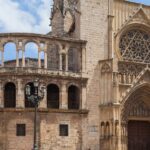
This part of Valencia matters. When your classes are in the old town, you can turn the “after class” window into something useful. Even if you only have short bursts of time, you can practice directions, menus, and everyday phrases without needing a whole extra plan.
The school’s hours run Monday through Friday from 9:00 AM to 6:30 PM (for the 2026 season), so you’re looking at a normal daytime learning block. That fits well if you like structured mornings and a clear finish point each day.
You can also read our reviews of more tours and experiences in Valencia



Price and logistics: what $307.05 really buys
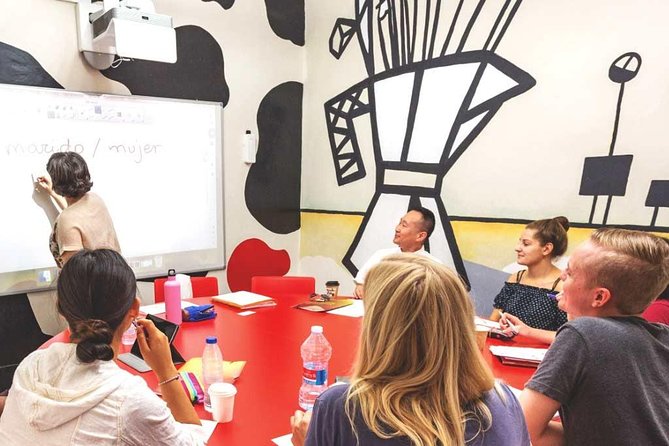
The listed price is $307.05 per person for this one-week intensive with conversation workshop. On top of that, there’s a 45€ enrolment fee that isn’t included, and you’ll need to arrange your own accommodation.
So is it good value? In my view, it can be, because the package isn’t just “class time and hope.” You also get a welcome bag, material class, and a level test before you start. Then you add a daily conversation workshop for speaking practice, plus the school’s activities program that’s designed to keep you using Spanish outside regular lessons.
One more practical detail: you get a mobile ticket, and the experience runs as a private activity for your group. If you’re traveling with friends or you just want less crowd pressure, that privacy can make the learning feel calmer and more personal.
The main thing to watch is the total budget. If you’re comparing to cheaper courses, remember that enrolment fee and lodging can change the real number fast.
Placement test + levels: how they keep you on the right track

Before class begins, you do a placement test that’s written and oral. The oral part can happen via mobile phone video or a telephone call, which is convenient if you’re arriving from somewhere far away.
Once you’re placed, you’re not stuck forever. One of the smarter-feeling parts is that you can be assigned a level and, if needed, switch levels. That matters because the biggest frustration in a short course is being placed too low (boring) or too high (overwhelming). Switching keeps your week from feeling like a mismatch.
In class, you’ll likely encounter a teaching approach where communication comes first. Several students describe a lot of Spanish being used in lessons, with teachers encouraging speaking instead of hiding behind translation. That helps you build momentum, especially in the first few days when your brain is still catching up.
And because group size is kept small (officially up to 10, often around 5–6), you’re more likely to get individual attention without spending every day waiting your turn.
What a typical day feels like: class blocks and the 1-hour workshop
Your course structure is built around daily lessons plus the conversation workshop. From the way the schedule has run, the day typically includes morning classes around 9:00–12:45, then afternoon classes around 14:30–18:15. Between those blocks, there’s time for the included conversation workshop.
The conversation part is listed as 1 hour per day as part of the week. In the school’s described schedule, conversation time has been around 1.30–2.30 during the first week. Either way, the pattern is clear: you learn language, then you speak it again quickly the same day.
This is a good setup if your goal is progress in a limited time. Short intensives work best when you reduce the gap between input (listening/grammar) and output (speaking). The school’s daily workshop does that.
Also note the pacing. You’re in class for much of the daylight window, which means you’ll get tired if you’re the type who needs empty time to recharge. But if you like momentum and routine, it’s motivating.
Teachers, teaching style, and that confidence boost
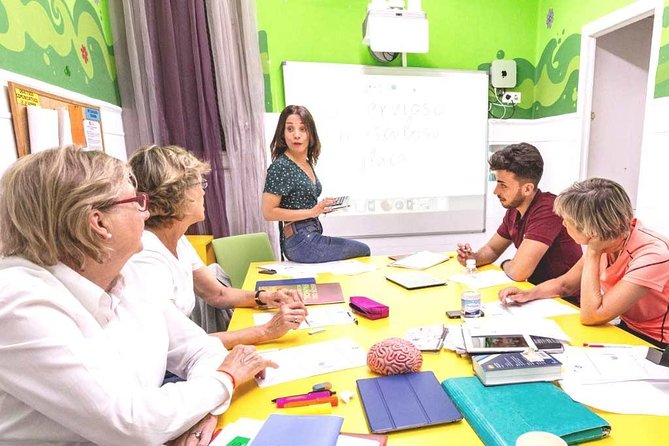
A big reason this course gets strong marks is the teacher energy and the way teachers handle mixed skill levels. Students describe lessons as organized yet engaging, and they especially note teachers who can make shy people feel safe enough to speak.
You might study with teachers such as Paula, Miguel, Micaela, Néstor, Nerea, Pablo, Salva, and Laura. The school also mentions a welcoming teacher vibe associated with Miguel Angel in previous experiences. You can’t guarantee which name you’ll get, but the variety of teaching styles is part of what students like.
Two practical points from the way classes are described:
- Teachers often keep a strong focus on speaking and understanding, not just rules on paper.
- The language used in class is often mostly Spanish, which pushes you to listen actively and respond without translating every thought.
The school also has support staff you can ask questions to. Students have mentioned two helpful directors, including Stefano (organizer of trips) and Andrés (head of teachers), plus a welcome meeting for new students on Mondays. That meeting is useful because it helps you learn how the week runs and where to show up for the activity program.
Even breaks feel more livable than you’d expect in a language school. One student noted the venue includes a terrace, which makes downtime less sterile.
You can also read our reviews of more tours and experiences in Valencia



The activities program: paella, cooking, clubs, and real speaking chances
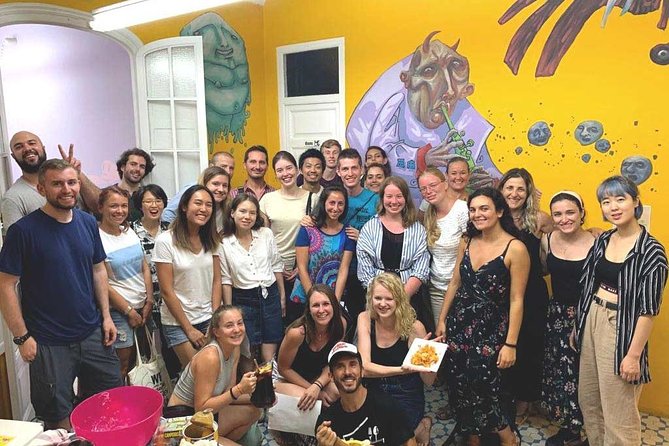
The course isn’t only a classroom product. A big part of the value is the activities program tied to Valencia life and student social energy.
From the activities that have been described, you might see things like:
- Paella events
- Cooking-focused sessions or class-style food activities
- A pasear (walk) type activity
- A cantame club (singing/music club)
- Rice and sake events
These events do two things for your Spanish. First, they give you ready-made topics (food, shopping, plans, opinions). Second, they create low-pressure conversation because nobody is asking you to perform grammar. People are just talking, laughing, and sharing their day.
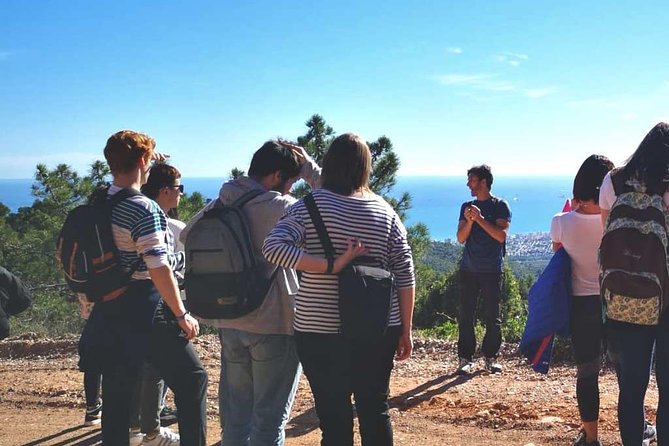
Weekends have also included excursions. Even when you don’t join every single event, having options keeps you from sliding into the tourist trap of only using Spanish with your teacher.
My practical suggestion: pick one social event during the week and treat it like class homework you actually enjoy. Show up ready to ask simple questions: What is it? Who’s going? Do you like it? After a one-week course, those small exchanges add up fast.
Meeting other students: international mix, small groups, and lasting progress

This course mixes nationalities and ages. In previous experiences, groups have run from about 18 up to 70, with many students staying multiple months at a time.
That matters because you learn two languages in parallel: Spanish and social rhythm. You’ll get used to how people speak to each other in a group. Conversation workshops then build on that.
The school’s private-group format means your group won’t be mixed with strangers if the provider sets it that way for your booking. But you’ll still be part of a broader school community during activities. That’s where the friendship part tends to happen, and that social layer makes it easier to keep speaking after class.
And yes, teachers handle interaction well. Students describe teachers being polite and making it easier for people who don’t feel confident socially to join in. In a short course, that support is huge, because confidence is often the real bottleneck—not vocabulary.
Who this one-week intensive suits best
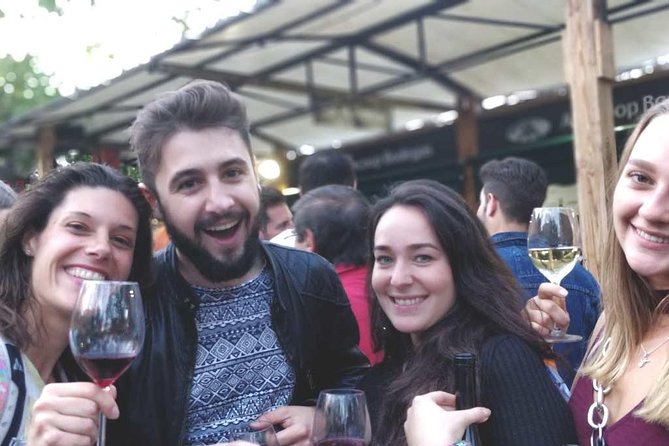
This is a good fit if you want fast progress and you’re willing to spend most of your day learning and practicing.
It seems to work for:
- Beginners who want to build basics quickly (one student described moving from almost nothing to a stronger foundation in a week)
- Intermediate and advanced speakers (a described advanced B2 student said they worked through speaking uncertainty and learned colloquial words)
- People who like structured days and hate drifting
- Students who want their Spanish practice tied to Valencia culture and social time
It may not be ideal if:
- You’re mainly looking for passive vacation language exposure. This course is active, daily, and speaking-focused.
- You don’t want to organize daily plans around activities. You’ll have options, but you’re not getting lodging included, so your evenings depend on what you choose to do.
- You need a totally flexible schedule each day.
Should you book this one-week Spanish sprint?
If you want the most efficient kind of learning—class, conversation, and real city use in the same week—then booking makes sense. The daily conversation workshop, small-group structure, and activities program are a strong combination for a short stay.
I’d book this if you can cover the extra 45€ enrolment fee and you’re already planning where you’ll sleep in Valencia. Also, come with realistic expectations. One week can’t make you fluent, but it can absolutely change how you speak and how willing you are to open your mouth.
If you like learning that feels social and practical (food events, walks, club-style activities), you’ll probably enjoy the pace. If you prefer quiet study time only, you might find the busy days less relaxing than you want.
FAQ
Where is the course meeting point in Valencia?
The course starts at Taronja Spanish School, Carrèr de Garcilaso, 15, B, Ciutat Vella, 46003 València, Spain. The activity ends back at the same meeting point.
What does the price include?
The package includes a 1-week conversation workshop (1 hour per day), a welcome bag with material class, and a level test.
What is not included in the price?
Accommodation is not included, and there is also a 45€ enrolment fee.
How long is the course?
It’s listed as a 1-week intensive experience, and the duration is given as about 5 days.
Are there conversation sessions every day?
Yes. The included conversation workshop is listed as 1 hour per day.
Is there a level test before starting?
Yes. A level test is included, and it can involve written and oral parts via mobile phone video or a telephone call.
Is this a private activity?
Yes. It’s described as private, meaning only your group participates.
What are the opening hours?
For 2026, it lists Monday to Friday from 9:00 AM to 6:30 PM.
How do I get there?
The school is described as near public transportation.
Is cancellation free?
Yes, free cancellation is available. You can cancel up to 24 hours in advance for a full refund.
What’s the class size like?
The course is described as having group size officially up to 10 people, but in practice it has often been around 5–6.