REVIEW · EVENING EXPERIENCES
Valencia: Evening Guided Paella Workshop, Tapas, and Drinks
Book on GetYourGuide →Operated by My First Paella · Bookable on GetYourGuide
Paella tastes different when you make it yourself. This 3-hour evening paella workshop in Valencia pairs hands-on cooking with a full spread of tapas and drinks, so you eat like a local while learning the real method. I love that you choose between classic Valencian-style paella or a seafood version, and I especially like how the chef’s guidance turns the dish from mystery to repeatable steps.
One thing to plan for: there’s no hotel pickup or drop-off, so you’ll want to know how you’ll get there before you book. If you’re tight on time or relying on someone else to drive, that matters.
In This Review
- Key takeaways before you go
- Why This Valencia Paella Evening Feels Like Dinner with a Lesson
- Choosing Your Paella: Classic Valencia or Seafood with salmorreta
- Tapas and Drinks Before You Cook: A Smart Way to Start
- Hands-On Cooking with a Local Chef (And Real Group Energy)
- The Paella-Making Part: What You’re Really Learning
- The Shared Table: Sitting Down Together After Cooking
- Dessert Finale: Coca de llanda, Fruit, Coffee, and Mistela
- Price and Value: Why $77 Can Make Sense in Valencia
- Who This Paella Workshop Is Best For
- Quick Tips So You Get the Most Out of Your Evening
- Should You Book This Valencia Paella Workshop?
- FAQ
- How long is the Valencia paella workshop?
- Does the experience include drinks and tapas?
- What paella styles can I choose from?
- Is there a live guide, and is it in English?
- Is hotel pickup or drop-off included?
- What dessert is included at the end?
- Is free cancellation available?
- Can I reserve now and pay later?
Key takeaways before you go
- Choose your paella style: classic Valencia with chicken/rabbit/vegetables, or seafood with salmorreta sauté.
- Food starts immediately with tapas like Manchego cheese, ham, olives, and more, plus a drink flow.
- You cook, not watch: the chef guides you step by step and you sit down together at the end to eat what you made.
- Drinks are part of the culture: sangria, beer, soft drinks, Valencian DO wine, cazalla, and mistela.
- Dessert is traditional: seasonal fruit and coca de llanda sponge cake, finished with coffee and a mistela shot.
Why This Valencia Paella Evening Feels Like Dinner with a Lesson
This isn’t a quick “taste and move on” activity. It’s a real cooking session, timed as an evening meal, so you get the fun of the process and the payoff of eating together. You’ll start with tapas and drinks, then shift to cooking your chosen paella style, then end with dessert and a final sip.
The best part for me is the balance. You’re not stuck standing over a pan the whole time. You get breaks built in—tapas first, then cooking with guidance, then a shared table at the finish. That makes the class feel more like an Iberian night out than a homework assignment.
The other big reason this works: you’re learning why paella tastes the way it does. The chef doesn’t just give you steps; they explain the key choices that shape flavor and texture, so you can recreate something similar later.
You can also read our reviews of more guided tours in Valencia



Choosing Your Paella: Classic Valencia or Seafood with salmorreta
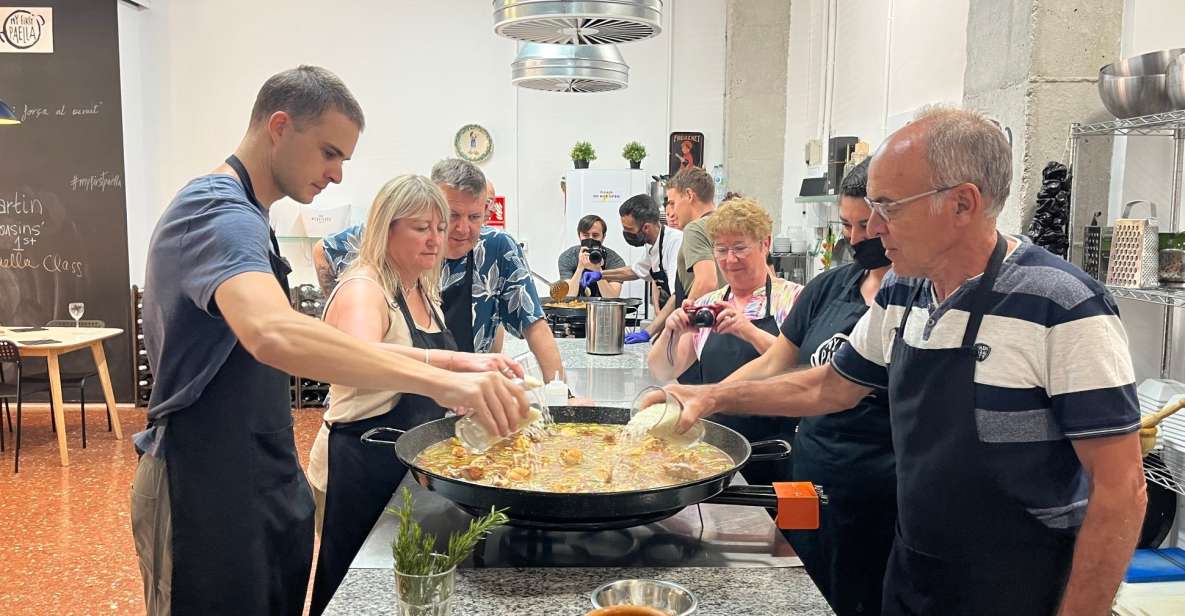
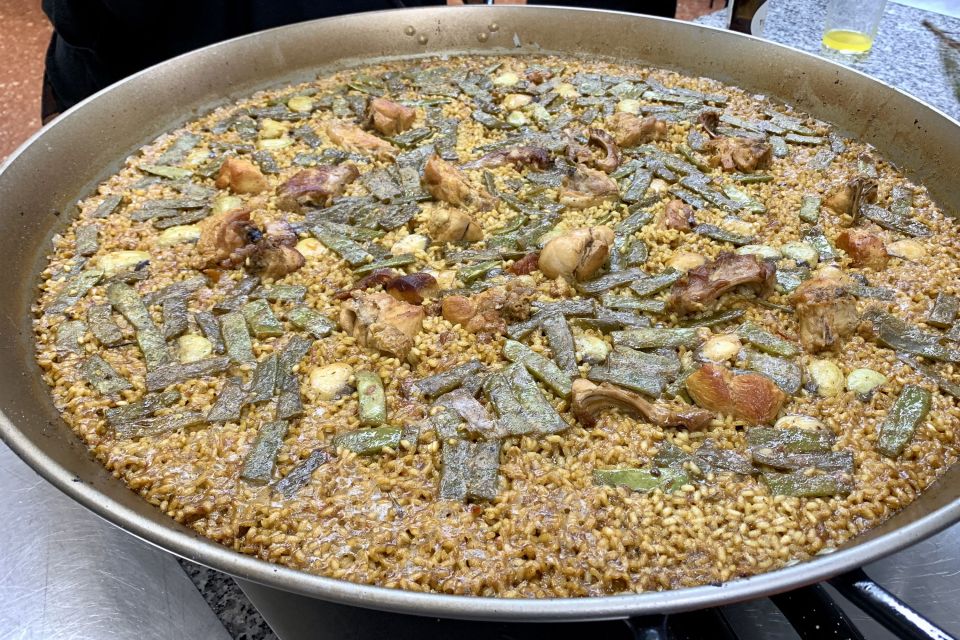
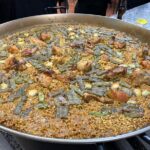
At the start, you pick which paella you’ll cook. One option is classic Valencia paella with chicken, rabbit, and vegetables. The other is a seafood paella, and this one includes an extra-flavor stage called salmorreta—an elaborate sauté that builds the base before the rice goes in.
If you want the most “Valencia family” style you can get, the classic route is a great pick. Rabbit is a signature ingredient here, and you’ll see how it fits with the vegetables and overall balance of the dish.
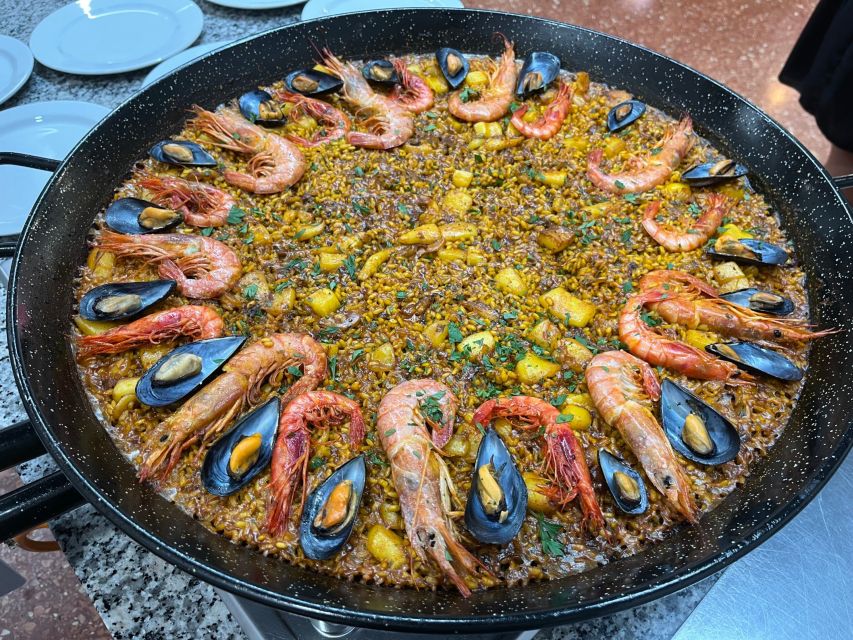
If you lean toward coastal flavors, go seafood. You’ll get practice with the way seafood paella depends on layering flavors early, and the salmorreta part is the key difference that makes it stand apart from a simpler tomato-and-onion approach.
Either way, you’re not just getting a recipe. You’re getting training in how paella is assembled so the rice ends up tasting right, not just filling your plate.
Tapas and Drinks Before You Cook: A Smart Way to Start
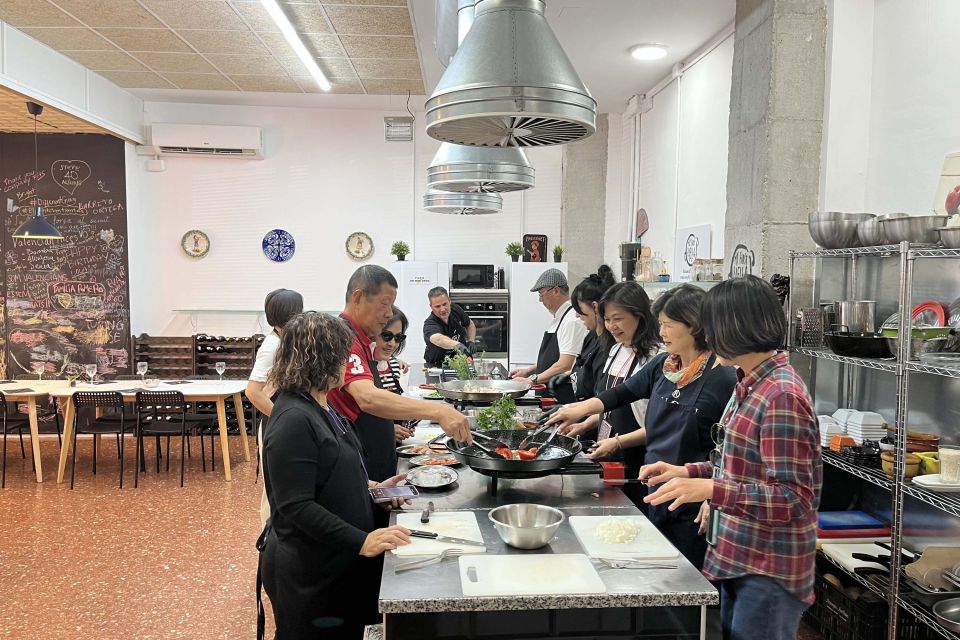
This class knows people arrive hungry. You kick things off with a spread of tapas while drinks are served, so the first part feels like dinner warming up rather than waiting around.
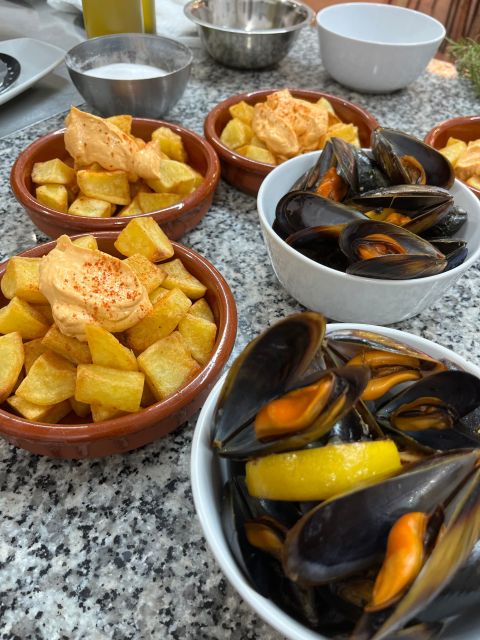
You’ll see classic Spanish items such as Manchego cheese and ham, olives, and Valencian salad with tomato. There’s also variety in hot items: steamed mussels, plus a choice like a Spanish omelet or patatas bravas (spicy potatoes). That mix matters because paella isn’t a one-note experience—your meal already moves through salty, savory, and bright flavors before the main pan arrives.
Drink choices are generous and varied: sangria, beer, soft drinks, water, and Valencian DO wine are all included. One review mentioned a shot of cazalla (aniseed brandy) with a castillan-style cheers moment, which is exactly the kind of small tradition that turns a class into a real cultural evening.
Practical tip: eat slowly at the tapas stage. If you rush, you can feel too full when you need to focus on timing and cooking steps.
Hands-On Cooking with a Local Chef (And Real Group Energy)
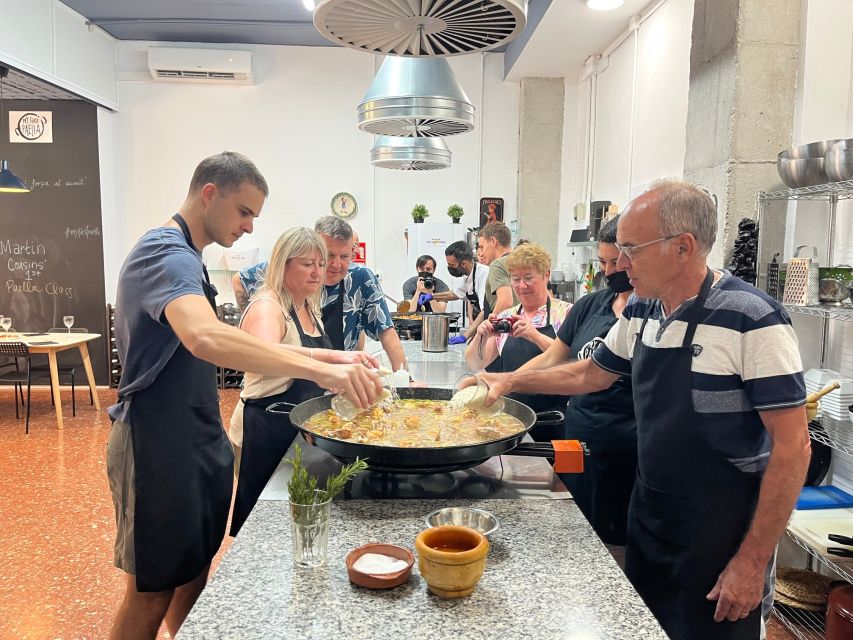
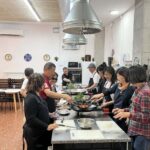
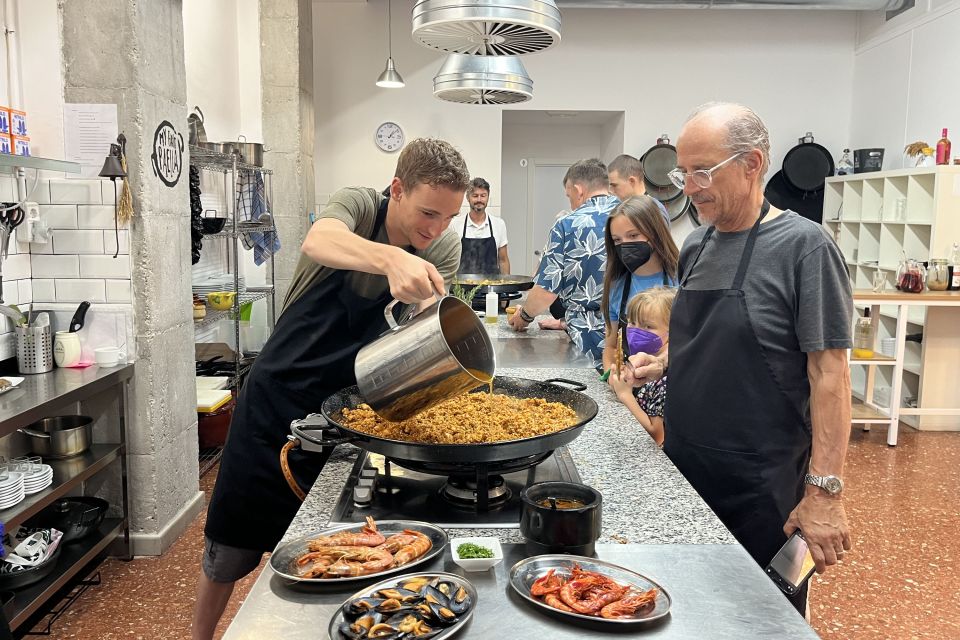
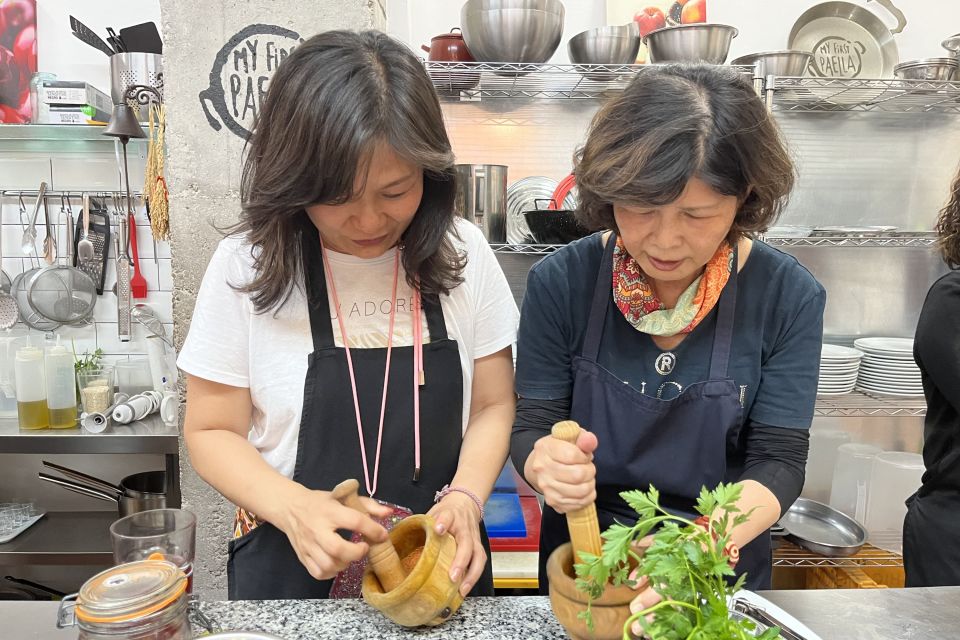
You cook under the direction of a chef, with assistants helping keep the pace friendly and manageable. The workshop is described as professional in setup and organization, but the vibe stays relaxed. Expect plenty of interaction, laughs, and hands-on moments where you’re more than just a spectator.
Names that have shown up in past sessions include Ana/Anna, Jose, Guillermo, Cristina, and hosts like Lily in some nights. When those guides lead the class, the standout theme is storytelling: paella isn’t only food, it’s a tradition, and you’ll hear what that means in everyday Valencian life.
A nice detail: you’re encouraged to participate, and the instructors keep things under control while still having fun. One solo guest even described getting extra attention when they were the only participant, turning it into a more private class feel. If you’re traveling alone, that’s a comforting possibility—your questions won’t get lost.
The Paella-Making Part: What You’re Really Learning
The chef leads you through each step, with explanations tied to results. What you’re trying to achieve isn’t just “cooked rice.” You’re aiming for the signature paella taste and texture, and that comes from the right sequence and technique.
Here’s how that learning tends to show up during the session:
- Flavor-building comes first (especially if you chose seafood with salmorreta). The base step matters because it sets up everything that follows.
- You handle the key steps yourself rather than watching someone else do it all. That’s how you take the method home.
- You get timing cues so the cooking stage doesn’t turn into guesswork.
The class also includes the specific ingredients for your chosen paella. Along the way, you’ll likely get advice on how the dish should look and smell as it progresses, since paella is partly about reading the pan as you go.
Even if you don’t plan to cook paella again tomorrow, you’ll leave with a better sense of why the Valencian approach is different from the paella you might see elsewhere.
You can also read our reviews of more evening experiences in Valencia



The Shared Table: Sitting Down Together After Cooking
Once the paella is ready, the group gathers to eat what you made. This matters more than it seems. Cooking classes can sometimes feel like a production line—everyone stands, everyone watches, then everyone leaves. Here, the session is designed to end as a meal, with camaraderie and conversation.
From the vibe in the descriptions and the experiences people highlighted, that shared table is one of the most praised pieces. It’s where the class turns from instruction into celebration—people compare notes, laugh about little cooking moments, and enjoy the final dish while it’s still at its best.
You’ll also see that the meal doesn’t end with paella. There’s a sweet finale right after, so you get full closure on the experience.
Dessert Finale: Coca de llanda, Fruit, Coffee, and Mistela
If you’ve ever left a Spanish meal wanting dessert more than you wanted the main course, this part delivers.
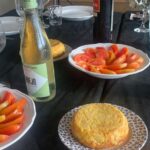
After paella, you get seasonal fruit and coca de llanda, a Valencian sponge cake. Then the finish adds a grown-up Spanish touch: coffee plus a shot of mistela—described as dry, aromatic, and low alcohol.
This combination works well because it keeps the end of the meal in the same regional spirit as everything else. Fruit cleans the palate, the sponge cake gives you something comforting, and the mistela adds a final warm note without dragging the evening on too long.
Price and Value: Why $77 Can Make Sense in Valencia
At $77 per person for a 3-hour evening class, the value depends on what you compare it to.
If you compare it to a regular dinner plus drinks, you’re basically paying for a meal, beverages, and guided cooking instruction all in one package. Since tapas, drinks, dessert, and the paella cooking class are included, your cost isn’t only about food—it’s also about learning from the chef while you’re eating.
Also, the “value” isn’t just quantity. It’s that you leave with a new skill: the ability to attempt paella again later with a clearer plan. That matters if you like cooking, if you’re the kind of person who brings home stories and techniques, or if you travel for experiences that don’t fit in a photo frame.
One drawback to keep in mind: because there’s no pickup, you’re responsible for getting there. That can add cost or hassle depending on where you’re staying.
Who This Paella Workshop Is Best For
This is a strong choice if you fit one (or more) of these categories:
- You’re in Valencia for a short time and want one evening that combines culture, food, and a hands-on skill.
- You want to meet people through shared activity, since the class includes group participation and a shared meal.
- You’re a first-timer in paella cooking and want a guided path, not a vague recipe.
- You’re traveling solo and want structured interaction without awkwardness—one described experience included a private-class feel when only one guest booked.
It’s also a good pick for couples and small groups. The format is social, but it’s not chaotic.
If you hate cooking hands-on—like, you truly want to sit and eat only—you might find the process part less appealing. But if you’re willing to roll up your sleeves even a little, you’ll likely enjoy the payoff.
Quick Tips So You Get the Most Out of Your Evening
- Come hungry. Tapas and paella both take real effort to enjoy well.
- Ask questions when the chef explains the difference between classic Valencia and seafood with salmorreta. That’s where the learning sticks.
- Pace the drinks. Sangria and other included options are part of the fun, but you’re cooking too.
- Go in with an open mind about how paella is traditionally done. You’ll learn that small choices drive big results.
Should You Book This Valencia Paella Workshop?
Yes, if you want an evening that feels like Valencia—food first, then technique, then dessert and a final mistela shot. The format is built for participation, and the big strengths are clear: you get real hands-on paella instruction, plus a full meal of tapas, drinks, and traditional sweets.
Skip it only if you strongly prefer to avoid cooking steps or you need hotel pickup to make logistics workable. Otherwise, for the price and the amount included, this is one of the easier “one activity does a lot” choices you can make in Valencia.
FAQ
How long is the Valencia paella workshop?
It lasts 3 hours.
Does the experience include drinks and tapas?
Yes. It includes tapas plus drinks such as sangria, beer, soft drinks, water, and Valencian DO wine.
What paella styles can I choose from?
You can choose classic Valencia paella (chicken, rabbit, and vegetables) or a seafood paella that includes an elaborate sauté called salmorreta.
Is there a live guide, and is it in English?
Yes. There is a live tour guide in English.
Is hotel pickup or drop-off included?
No. Hotel pickup and drop-off are not included.
What dessert is included at the end?
You’ll get seasonal fruit and coca de llanda (Valencian sponge cake), plus coffee and a shot of mistela.
Is free cancellation available?
Yes. Free cancellation is available up to 24 hours in advance for a full refund.
Can I reserve now and pay later?
Yes. You can reserve now & pay later, with booking options that let you pay nothing today.