REVIEW · HISTORICAL TOURS
Essentials of Valencia and its World Heritage Sites
Book on Viator →Operated by Turiart · Bookable on Viator
Three UNESCO stops in one guided stroll. This 2-hour walk is built for first-timers who want a clear route through Valencia’s historic center and a fast handle on three UNESCO-recognized sites, including the Silk Exchange.
What I like most is the no-getting-lost format with a real guide steering you between key squares and buildings. I also like that you get inside La Lonja de la Seda (when entrances are included), not just photos from the sidewalk.
One thing to consider: it’s a tight schedule. If you love lingering in markets or taking long looks at architecture, this tour will feel like a sampler, not a slow wander.
In This Review
- Key highlights to look for
- Valencia’s UNESCO core, done in about two hours
- Starting at Estació del Nord: a fast orientation you’ll feel later
- Plaza de l’Ajuntament and the Fallas UNESCO thread (March 15–19)
- City Hall stop: what you can notice at Ajuntament de València
- Mercat Central and the Mediterranean Diet: practical food culture, not trivia
- Entering La Lonja de la Seda: the Silk Exchange experience that earns the time
- Plaza de la Virgen and the Water Tribunal: the ritual you can time
- Pacing, group size, and what the guide does for you
- Price and value: is $20.85 really enough?
- Who should book this Valencia UNESCO walk
- Quick practical tips before you go
- Should you book it?
- FAQ
- Where does the tour start?
- Where does the tour end?
- How long is the tour and what does it cost?
- What UNESCO-related sites and traditions are covered?
- Does the tour include entry to La Lonja de la Seda?
- When does the Water Tribunal take place?
- Is transportation to and from the meeting point included?
- Will I get a mobile ticket?
- How many people are in the group?
- Can I cancel for a refund?
- Are kids allowed?
Key highlights to look for
- Silk Exchange (La Lonja de la Seda) entry included during the main daytime version
- Water Tribunal lesson tied to the real Thursday 12:00 routine at the Cathedral area
- Fallas context at Plaza de l’Ajuntament, the UNESCO-recognized tradition added in 2016
- Central Market and Mediterranean Diet explanation without you having to research first
- Small group size (max 25) keeps questions and conversation realistic
Valencia’s UNESCO core, done in about two hours
If you’re trying to see the heart of Valencia without turning your vacation into a map-zooming contest, this tour is made for you. You’ll follow a simple walking line through the historic center, then swap guesswork for clear stories and what to look for next.
The big payoff is that you cover multiple UNESCO-recognized highlights in one day. You get the Silk Exchange building experience, you learn about the Water Tribunal tradition, and you connect Valencia’s famous street-season energy (the Fallas) to the UNESCO story that starts long before March.
The format is also practical. You don’t need to build your own route. Just show up, keep moving, and let your guide do the heavy lifting.
You can also read our reviews of more historical tours in Valencia

Starting at Estació del Nord: a fast orientation you’ll feel later
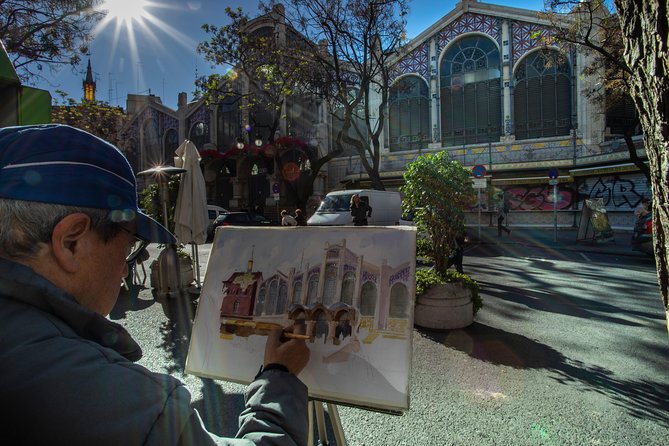
You begin at Bailén – Estació del Nord, and you spend about 20 minutes visiting the station. The entry is free, and that matters because it makes the start feel like a real “Valencia 101” moment, not just a checkpoint.
Why the station? It’s one of those places that helps you understand the city’s layout and rhythm. Even if you’re not thinking about architecture at first, you’ll leave with a better sense of how the historic core connects to everyday Valencia.
A small tip: since the tour starts at a station, plan to arrive with a little buffer so you’re not rushing. That way, you can actually enjoy the opening explanation and settle into the walk.
Plaza de l’Ajuntament and the Fallas UNESCO thread (March 15–19)
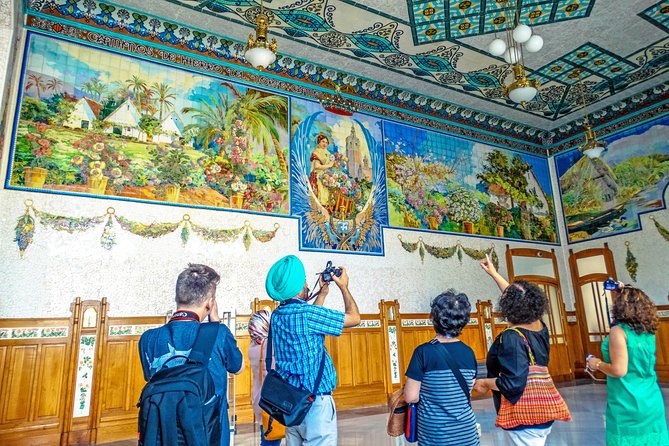
Next you stop at Placa De L’ajuntament, with about 15 minutes there. This is where the guide frames Fallas—Valencia’s famous festival of ephemeral monuments—within the UNESCO picture. Fallas were added to UNESCO in 2016, and your guide connects that recognition to what makes the event meaningful beyond the spectacle.
You’ll learn that Fallas run roughly March 15 to 19, turning parts of the city into an outdoor museum of short-lived creations. Expect the explanation to focus on the human side of the tradition: music, costume, and that unmistakable festival atmosphere.
The drawback of a quick stop: you won’t have time to deep-read every detail of the plaza itself. But you’ll be given the context so that when you see Fallas materials later in town, things click faster.
City Hall stop: what you can notice at Ajuntament de València
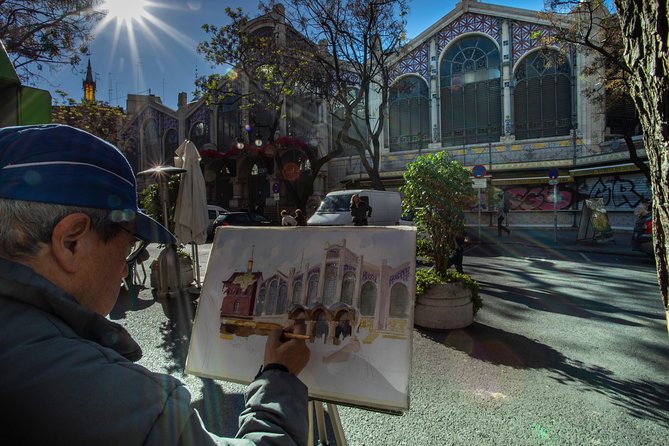
After that, you move to Ajuntament de Valencia for about 20 minutes, with free admission. This part is less about one “must-see object” and more about understanding the civic heartbeat of Valencia.
There’s also an important scheduling note baked into this stop: on working days, it runs unless there are official events or holidays, and evening timing can also affect it. So if you’re traveling at the edges of the calendar, don’t be surprised if the emphasis shifts.
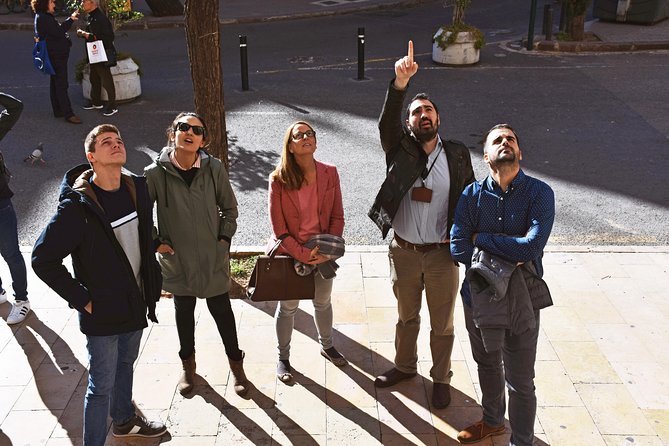
If you like architecture and civic spaces, this is a good moment to pause and look upward and around. Even in a short visit, you can pick out the visual language that ties Valencia’s public buildings together.
Mercat Central and the Mediterranean Diet: practical food culture, not trivia
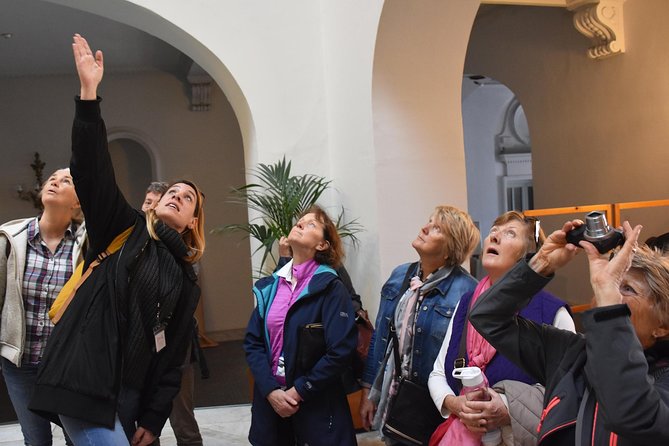
Then comes Mercat Central de Valencia. You get about 10 minutes here, and the guide explains the market and the Mediterranean Diet idea that Valencia is known for.
This is one of the more useful stops for travelers because it gives you a lens for what to eat later. Instead of thinking only in terms of “What’s famous here?”, you get a sense of how the diet works and why the market matters culturally.
One scheduling detail matters if you book evenings: for evening tours in August and September at 06:30pm, the note says entrances aren’t included. So you might spend more time observing than going in.
Either way, it’s short, which is good. You’ll get the story without losing the whole morning to shopping lines.





Entering La Lonja de la Seda: the Silk Exchange experience that earns the time
The centerpiece is La Lonja de la Seda—the Silk Exchange, a World Heritage Site declared in 1996. Here you actually enter, and the tour allocates about 30 minutes with admission included in the main version.
This is civil Gothic architecture with serious structure. You’ll be guided through the Sala de Contratación, where columns, vaults, and ribs help the building feel both grand and functional. The story your guide tells connects the space to Valencia’s prosperity during the Valencian Golden Age—so the building isn’t just pretty stone. It’s a reminder of how trade shaped power and urban growth.
If you only have one UNESCO interior in Valencia, this is a strong candidate. Getting in matters because the scale and the geometry are hard to appreciate from the street.
Another practical note: the entry detail changes for evening tours in August and September at 06:30pm, when the note says entrances aren’t included for this stop. If you want the full “inside” experience, prioritize the daytime departure.
Plaza de la Virgen and the Water Tribunal: the ritual you can time
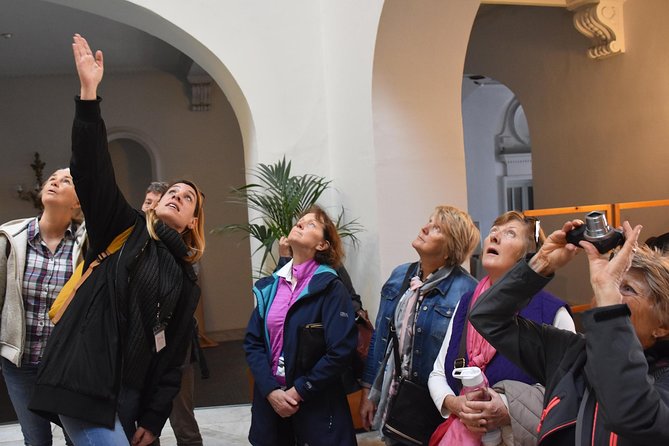
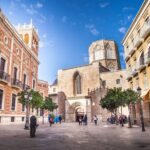
Your last themed stop is Plaza de la Virgen, about 15 minutes, also free. Here the focus is the Tribunal of the Waters, recognized as Intangible Heritage of Humanity since 2008.
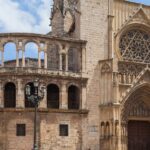
This is where the tour becomes more than architecture and festivals. You get a concrete time-and-place detail: the tribunal takes place every Thursday at 12:00 noon, at the Apostles’ Gate of the Cathedral.
Even if you’re not in Valencia on a Thursday, the value is in learning how a tradition stays alive in the city’s daily rhythm. It also helps you understand why this area feels like Valencia’s “old center logic” made physical—church, gates, community procedure, and all.
If you do happen to be there on a Thursday, plan your timing so you can watch without sprinting. The tour gets you close to the action, but you’ll still want a calm moment.
Pacing, group size, and what the guide does for you
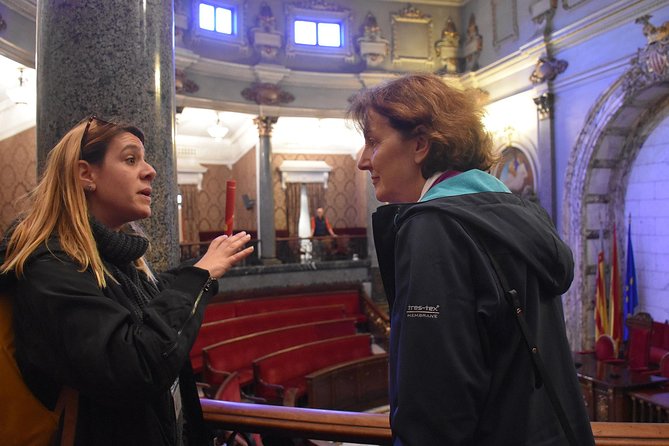
This tour runs with a maximum of 25 travelers, and that number is a big deal in a walking program. It keeps the group manageable enough for questions and course correction, especially inside the larger buildings.
The guides behind this tour style tend to be energetic and engaging, and names like Maria, Sara, Sarah, and Gabor show up in past departures. The common thread in those guide reports is a clear, well-prepared explanation plus a friendly tone that makes questions feel normal.
Another practical point from the way the walk is built: the pacing isn’t frantic. You get short stops, then movement, then short stops again. That pattern helps you absorb the “why” of each place without losing your energy.
You’ll still do walking in the center, so wear comfortable shoes. The route is designed to be efficient, not for marathon distances.
Price and value: is $20.85 really enough?
At $20.85 per person, this tour is priced like a quick win. The real question is what you’re buying: access to multiple UNESCO stories plus actual time inside a major heritage site.
Here’s the value math that matters:
- You’re getting a professional guide, not just an audio script.
- Most stops are free admission, including the station and the civic squares.
- The tour includes entry to La Lonja de la Seda in the main daytime version, which is the biggest ticket item on the route.
On top of that, the tour saves time you’d otherwise spend figuring out directions and sequencing. If you’re only in Valencia for a short trip, that alone can make it feel like good money.
If you’re the type who hates structured tours, this might feel too efficient. But if you want a “start here” overview that still delivers a true interior visit, the price is hard to argue with.
Who should book this Valencia UNESCO walk
I think this tour fits best when you match one of these situations:
- You’re a first-time Valencia visitor and want the center explained in a logical route.
- You want a UNESCO-focused day without building an itinerary.
- You like architecture and civic spaces, but you don’t want to spend hours reading before you step out the door.
- You’d rather ask a guide where to go next than wander until you feel hungry.
It might be less ideal if you plan to spend most of your day in markets, museums, or long photo sessions. This tour is designed to cover key points efficiently, so you’ll still need extra time after it if you want deeper exploring.
Quick practical tips before you go
- Bring water, especially in warm weather, since the walk connects several outdoor-to-indoor moments.
- If you care most about interior entry, prioritize the main daytime option. The notes specifically say certain entrances aren’t included for evening tours in August and September at 06:30pm.
- Use the final neighborhood area as a launch pad. The tour ends near Carrer del Micalet, which puts you in easy reach of the Cathedral zone.
Should you book it?
Yes, I’d book it if you want a fast, guided UNESCO start in Valencia with real highlights packed into about two hours. The big reasons are simple: the route makes sense, you get a guide, and you do get inside La Lonja de la Seda in the version where entrances are included.
Skip it only if you’re looking for a long, slow walk with lots of free time at each stop. For that style, you’d probably prefer a more flexible plan built around one or two neighborhoods.
If you’re still deciding, treat this as your orientation day. After this, you’ll know where you want to spend your extra hours.
FAQ
Where does the tour start?
It starts at Bailén – Estació del Nord Extramurs, 46007 Valencia, Spain.
Where does the tour end?
It ends at Carrer del Micalet, 7, Ciutat Vella, 46001 València, Valencia, Valencia.
How long is the tour and what does it cost?
The tour lasts about 2 hours and costs $20.85 per person.
What UNESCO-related sites and traditions are covered?
You’ll see or learn about three UNESCO-listed Valencia highlights in one day: the Silk Exchange, the Tribunal of the Waters, and Fallas (added to UNESCO in 2016).
Does the tour include entry to La Lonja de la Seda?
Yes. Entry to La Lonja de la Seda (Silk Exchange) is included in the tour, but the notes say evening tours in August and September at 06:30pm do not include entrance.
When does the Water Tribunal take place?
The Tribunal of the Waters happens every Thursday at 12:00 noon at the Apostles’ Gate of the Cathedral.
Is transportation to and from the meeting point included?
No. Transportation to/from the meeting and ending point is not included.
Will I get a mobile ticket?
Yes. The tour uses a mobile ticket.
How many people are in the group?
The tour has a maximum of 25 travelers.
Can I cancel for a refund?
Yes, free cancellation is available. You can cancel up to 24 hours in advance for a full refund.
Are kids allowed?
Children must be accompanied by an adult.