REVIEW · COOKING CLASSES
Valencia: Cooking Class of traditional spanish food
Book on GetYourGuide →Operated by VSI Tour · Bookable on GetYourGuide
Paella in Valencia is more than a dish. In this small-group cooking class in a local home, you learn how to make paella Valenciana step by step, then eat what you cook with traditional drinks. I like the up-close format—two hours is long enough to actually cook, not just watch. I also like the local touch: a Valencian host runs the session and shares stories about everyday life in the city. One drawback to consider: based on real past experiences, there have been cases where the host or setup didn’t match expectations, so you’ll want to be careful about the meeting details.
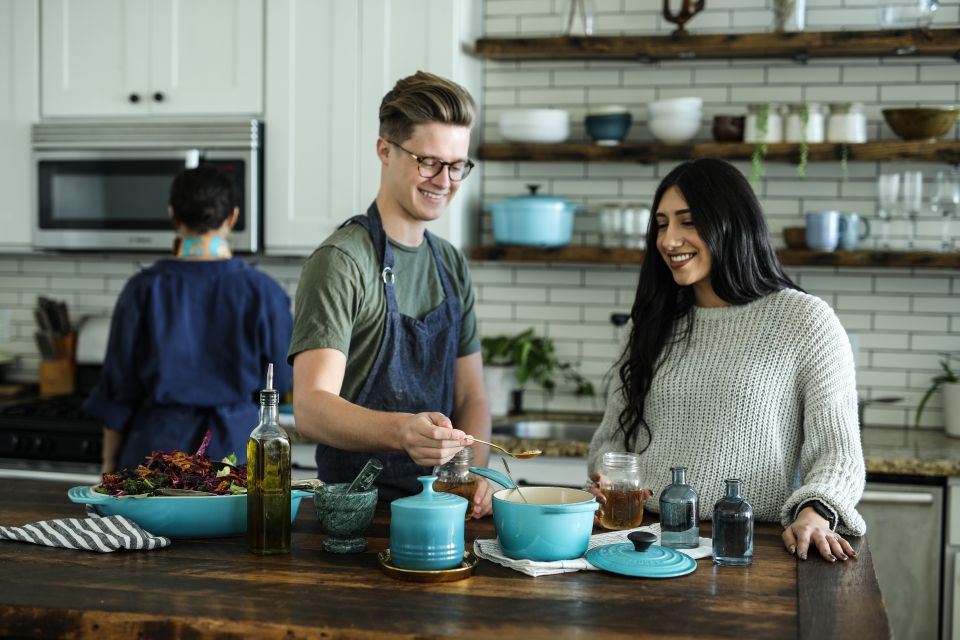
You’ll start in a cozy home kitchen, work with ingredients, cook paella, sip sangria, and finish at the table with a full Valenciana meal. The format is simple and practical, and that’s the point. The value depends on whether your kitchen tools and ingredient prep are in good shape when you arrive, so I’ll tell you what to watch for and how to make the experience smoother.
In This Review
- Key things to know before you go
- Two hours in a Valencian kitchen: what the class really feels like
- Paella Valenciana instruction: rice, seafood/meat, and the method behind it
- Drinks and the Valencian table: sangria and what you eat after cooking
- Group size: why max 5 can be great (and what can go wrong)
- Price and value: is $71 per person a fair deal in practice?
- Logistics you should double-check so you’re not left waiting
- Who this paella class is best for (and who should pass)
- The main takeaway: you’re buying a local skill, not a show
- Should you book this Valencia paella cooking class?
- FAQ
- How long is the cooking class?
- What does the price include?
- Is hotel pickup or drop-off included?
- How many people are in the group?
- What languages are available?
- Is free cancellation available?
- Can I reserve now and pay later?
- Is it suitable for babies?
- Should you book this Valencia paella cooking class?
Key things to know before you go
- Paella Valenciana focus: The class centers on authentic paella, not generic Spanish cooking.
- Max 5 people: It’s designed for a small group, which usually means more hands-on time.
- Cook + eat together: You don’t just learn; you sit down and enjoy what you make.
- Sangria included: Traditional drinks are part of the experience, not an add-on.
- Multilingual hosts: French, English, German, Lithuanian, and Spanish are offered.
Two hours in a Valencian kitchen: what the class really feels like
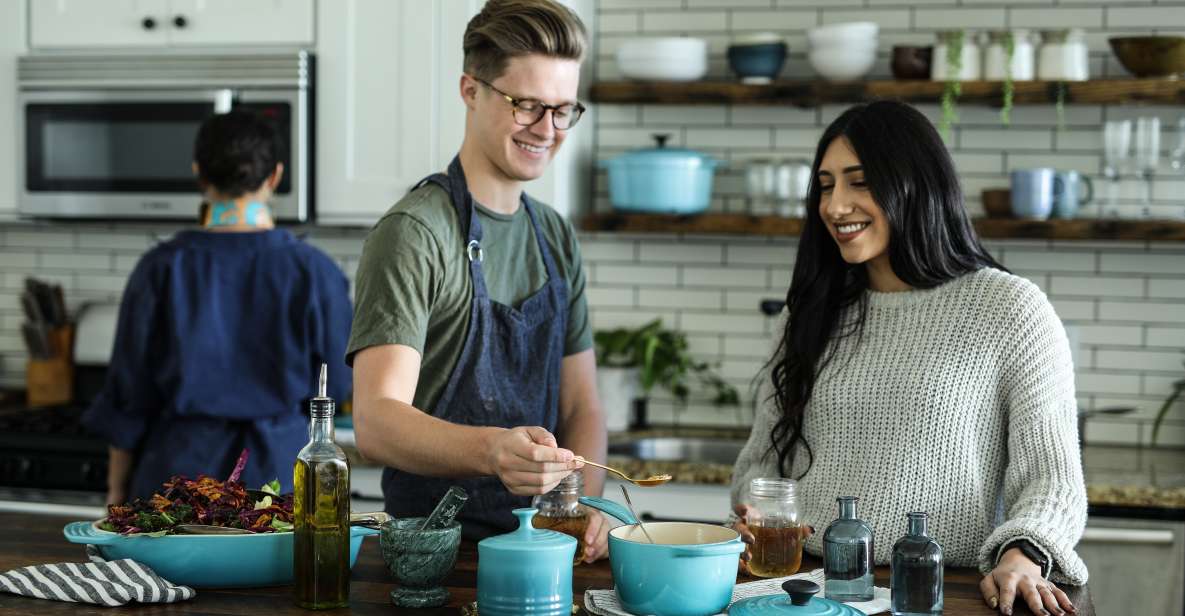
This is a home-based cooking experience, not a big classroom. You’re stepping into a regular Valencian kitchen where the goal is clear: learn the paella method, then enjoy it as a meal with others. The timing matters here. At 2 hours, the class is built around a compact workflow—meet the host, get organized, cook, then eat.
What makes it interesting is that paella isn’t just a recipe. It’s rhythm: prep, heat management, timing, and knowing when the rice and ingredients are ready. In this kind of setup, you’ll usually get guidance on how your host thinks about those moving parts, and you can ask questions while your hands are actually busy.
The host is also the main ingredient. This isn’t a script. You’ll be guided by a local Valencian host (with language support such as English or Spanish), so the session tends to feel more like learning a family skill than following a demonstration. That’s great when things are running smoothly—less great when you arrive expecting everything to be perfectly organized in a commercial kitchen.
You can also read our reviews of more food & drink experiences in Valencia

Paella Valenciana instruction: rice, seafood/meat, and the method behind it
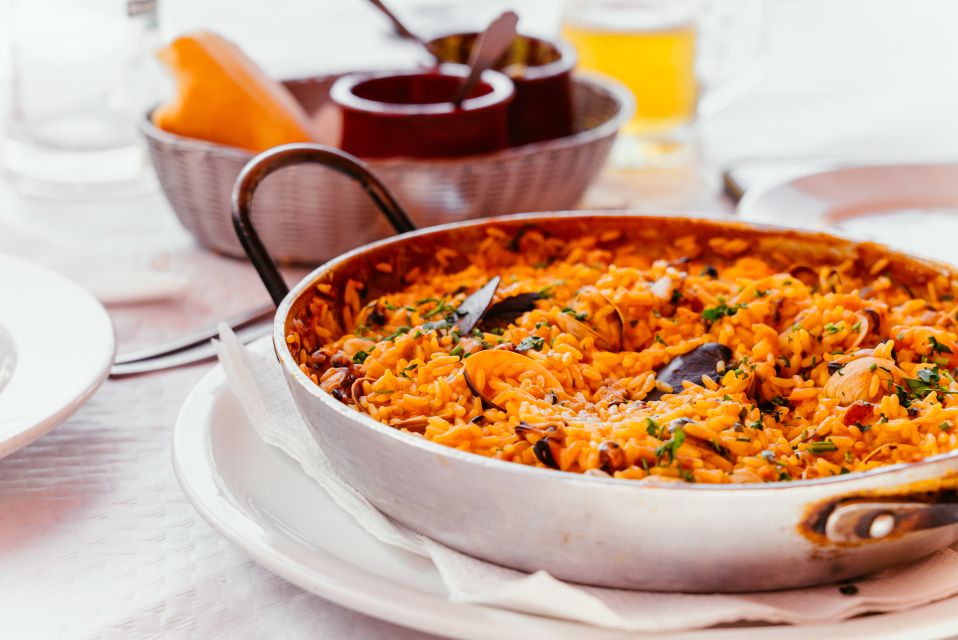
The heart of the experience is paella Valenciana. The course is built around the “how,” not only the “what.” You’ll work with local ingredients—things like rice varieties and regional staples—plus options that can include seafood and/or meat. Your host will guide you through the techniques passed down through generations, with attention to flavor balance and cooking technique.
Here’s what you should pay attention to, because this is where you’ll learn the most:
- Rice choice and texture goals: Paella rice behaves differently than regular short-grain rice. The goal is rice that cooks through and stays coherent, not mushy.
- Heat and timing: Paella cooking depends on controlling the cooking stage. Your host’s pacing is the lesson.
- Adding ingredients thoughtfully: Seafood and meats (if used) are handled with timing in mind so they don’t overcook or dry out.
If you’re hoping for a “quick tips” class, this is probably not the right fit. This is better for you if you want to understand the structure of paella—how the steps fit together so you can reproduce the dish later.
One important consideration: the format can vary depending on how many people show up and how the kitchen is set up. In at least some past instances, participants reported missing ingredient quantity guidance. That doesn’t mean the cooking concept is bad, but it does mean you should show up ready to ask questions early, before you start adding ingredients.
Drinks and the Valencian table: sangria and what you eat after cooking
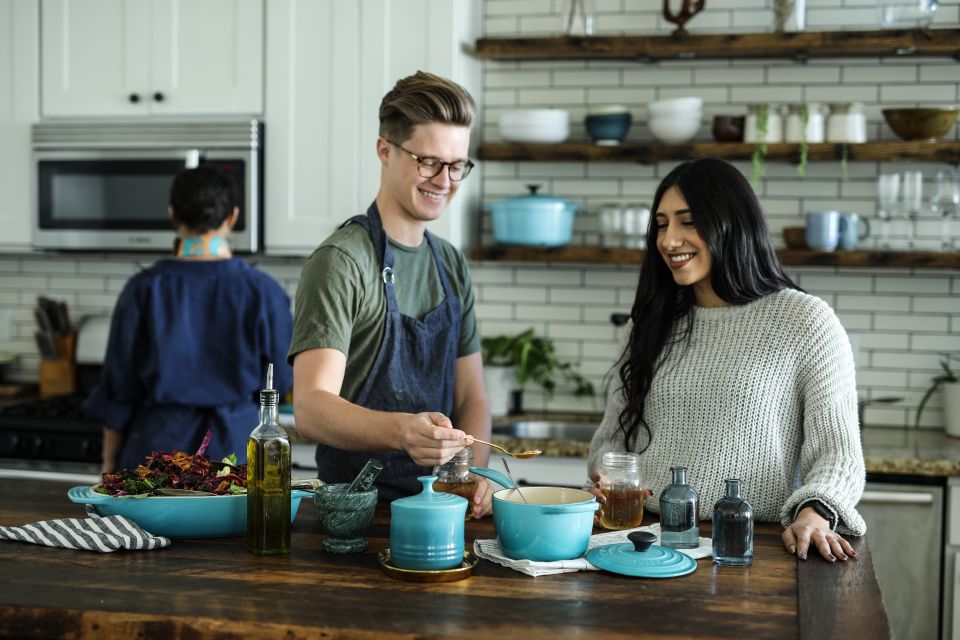
After the cooking work, you gather to eat your meal. The class includes a traditional Valenciana meal featuring what you cook, and you also get traditional sangria prepared by the host.
This part matters more than it sounds. For many people, a cooking class is only as good as the food you actually get to taste at the end. Here, the intent is that your paella becomes the centerpiece of the meal—so you can judge the results of what you learned, right away.
Sangria being included also adds to the local feel. It’s not a token drink; it’s part of the kitchen-to-table rhythm. If you’re used to tasting sangria as something “touristy,” this version is aimed at a more home-style approach, tied to the host’s way of serving drinks during the meal.
Do note a practical risk: a couple of negative experiences mention missing extras like dessert and describe the setting as basic. None of that changes the fact that food and drinks are included, but it does suggest you should manage expectations if your main goal is a full course experience with restaurant-level polish.
Group size: why max 5 can be great (and what can go wrong)

The class is listed as small group, limited to 5 participants. In theory, that’s ideal for paella instruction. Paella is hands-on, and crowded kitchens make it harder for you to control your station, get feedback, and ask questions without waiting.
When it works, you get:
- more direct attention from the host
- more time to ask about technique while you cook
- a better chance to actually do key tasks, not just hold a utensil
When it doesn’t work, you can still have problems—especially in home kitchens where space is tight. Some participants described having to cook turn by turn with limited tools, and others described a lack of clarity around ingredient amounts. If you’re the kind of person who learns best by having everything measured and well organized, you may want to be ready to adapt on the spot.
Also, one past experience involved a single participant showing up instead of a group. That can sound fine, but it can also mean the lesson shifts depending on how the host planned the session. In other words: small group is a plus, but it doesn’t guarantee a certain level of structure.
Price and value: is $71 per person a fair deal in practice?
At $71 per person for 2 hours, you’re paying for three things: instruction, ingredients, and the meal/drinks. The “included” list says the workshop, ingredients, and food and drinks are part of the price. Since you’re not adding separate meal costs, the math can work out well—especially if you’ll eat what you cook and you want the local-home format.
But value depends on execution. In the negative experiences, the complaint wasn’t only about price—it was about the mismatch between what was expected and what was delivered: basic tools, cramped space, ingredient handling that didn’t feel properly guided, and in more serious cases, no host at the address.
So how do you decide if it’s worth it?
- If you want authentic paella teaching in a home setting and you’re flexible about kitchen style, this can feel like good value.
- If you expect a polished, restaurant-grade workshop with fully staged ingredients and a perfectly managed meeting point, the price may feel steep if things go sideways.
My practical advice: treat this like an experience that can be excellent, but verify the logistics before you go so you’re not stuck waiting.
You can also read our reviews of more tours and experiences in Valencia


Logistics you should double-check so you’re not left waiting
There’s no hotel pickup or drop-off. You’ll need to make your own way to the meeting point. That’s normal for this kind of class, but it raises the stakes on the details: exact address, arrival time, and a reliable contact method.
Here’s the specific risk to plan around: there have been instances where nobody was present at the address and participants couldn’t reach anyone on the provided phone number. There’s also an instance where the guide wasn’t familiar with the event at that address. That’s rare, but it’s serious enough that you should protect your time.
What I’d do if you book:
- Save the full meeting instructions and confirm the address the day before.
- If the host is contacting you, keep an eye on messages right up to arrival time.
- Build a buffer into your schedule so you’re not rushing in from another appointment.
If everything is smooth, you’ll probably think, why can’t all classes be like this? If things aren’t smooth, you’ll be glad you planned ahead.
Who this paella class is best for (and who should pass)
This is a strong fit for you if you:
- want paella Valenciana specifically, not a general cooking sampler
- enjoy learning technique from locals in their home environment
- like sitting down to eat what you cooked, with sangria included
- prefer a small-group setup so you can ask questions
It may be less satisfying if you:
- need extremely precise, measured instructions and highly uniform cooking tools
- want a fully staged, high-comfort kitchen with big equipment
- can’t tolerate any chance of last-minute confusion around the meeting point
Also, it’s not suitable for babies under 1 year. Beyond that, the class sounds like it’s designed for adults and older kids who can stand, cook, and eat comfortably in a home setting.
The main takeaway: you’re buying a local skill, not a show
The best version of this experience teaches you how to think like a Valencian cook: how rice works, how timing affects flavor, and how paella is built to become a shared meal. If your host’s kitchen setup and ingredient guidance are solid, you’ll walk away with a method you can reuse, plus the satisfaction of eating something genuinely made by you.
The weaker version is where the kitchen feels cramped, tools seem inadequate, ingredient quantities feel unclear, or the meeting logistics fail. That’s why the class is a “check before you commit” type of activity.
Should you book this Valencia paella cooking class?
Book it if you want a hands-on paella Valenciana lesson in a small group, you enjoy eating as part of the learning, and you’re open to a real home-kitchen style (not a perfect showroom).
Skip or look carefully if meeting details and communication reliability are a deal-breaker for you, because there have been serious cases where nobody showed up and calls weren’t answered. If you do book, confirm your meeting address and arrival time in advance and don’t schedule anything tight right before the class.
If the logistics are confirmed and your kitchen experience is handled well, this can be a memorable, genuinely local way to understand Valencia through food.
FAQ
How long is the cooking class?
The class lasts 2 hours.
What does the price include?
It includes the workshop, ingredients, and food and drinks.
Is hotel pickup or drop-off included?
No, hotel pickup and drop-off are not included.
How many people are in the group?
It’s a small group limited to 5 participants.
What languages are available?
The host or greeter works in French, English, German, Lithuanian, and Spanish.
Is free cancellation available?
Yes. You can cancel up to 24 hours in advance for a full refund.
Can I reserve now and pay later?
Yes. The experience offers a reserve now, pay later option.
Is it suitable for babies?
No. It is not suitable for babies under 1 year.
Should you book this Valencia paella cooking class?
If you’re the kind of traveler who values learning technique from a local and eating what you make, this is worth considering at $71 for a 2-hour session—especially with food and drinks included. Just treat it like a home-based experience: confirm your meeting address and contact details early, and keep a little schedule slack. If everything clicks on the day, you’ll get a memorable Valencia paella-focused class with a real local feel.