REVIEW · OLD TOWN & CATHEDRAL TOURS
Valencia: Essentials and World Heritages Sites Walking Tour
Book on GetYourGuide →Operated by Turiart · Bookable on GetYourGuide
Three UNESCO sites in two hours sounds smart, and this Valencia walking tour keeps the focus on the city’s must-sees and the UNESCO trio, starting with Lonja de la Seda. I also like how the route stays practical for a first visit, with a steady pace and enough explanation to connect the sites to everyday Valencia. One thing to watch: access can shift on special days, especially around the Silk Exchange and the City Hall visit.
I love that you actually go inside Lonja de la Seda and you also get entrance to Valencia’s City Hall (when open), so this isn’t just a photo-stop stroll. With a bilingual local guide, you get the story behind the stones, not a generic script.
My only caution is timing and closures: if the Silk Exchange is shut during your visit due to an event, the tour offers ticket alternatives for later entry or a same-value swap to another museum or monument.
In This Review
- Quick hits before you go
- Why this Valencia walk works so well in a short time
- Meeting at Estación del Norte: the easiest way to begin
- The UNESCO core: how you connect Lonja, the Tribunal, and Fallas
- Lonja de la Seda (Silk Exchange): see the craftsmanship up close
- Water Tribunal: the UNESCO tie-in to Valencia’s everyday life
- Fallas: ephemeral art, fire, and fireworks
- City Hall and civic Valencia: why that stop matters
- The flow of the route: what you’ll do between stops
- Value check: is $21 really a fair deal?
- Who this tour suits best (and who might want something else)
- Small practical tips to get more from the walk
- Should you book this Valencia walking tour?
Quick hits before you go
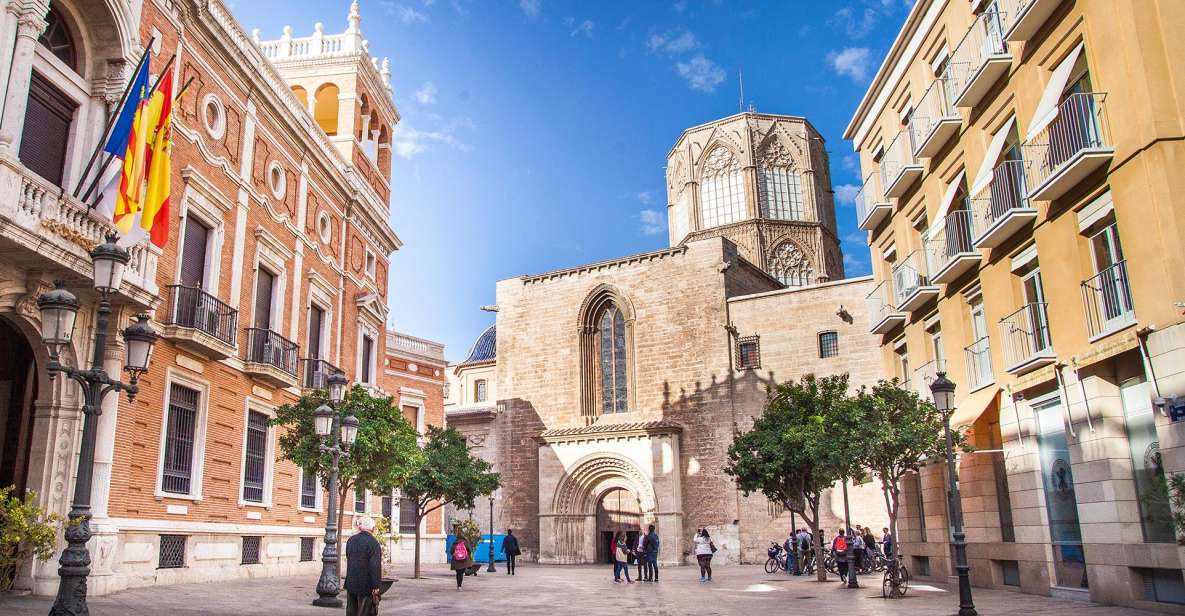
- UNESCO triple focus in 2 hours: You’ll connect Lonja de la Seda, the Water Tribunal, and Fallas to Valencia’s past and present.
- You enter key buildings: Silk Exchange entrance is included, plus City Hall entrance when it’s operating normally.
- Start at a transit-friendly meeting point: Estación del Norte (North Station), Xàtiva metro, makes arrival easy.
- Guides that bring the city to life: Past guides like Gabor, Maria, Sara, and Sofi are praised for clear English and an easy, friendly style.
- Limited walking distances: The pacing is described as manageable and suitable for many ages.
- Built-in backup plans: If the Silk Exchange is closed, you’re offered a solution for getting in later.
Why this Valencia walk works so well in a short time
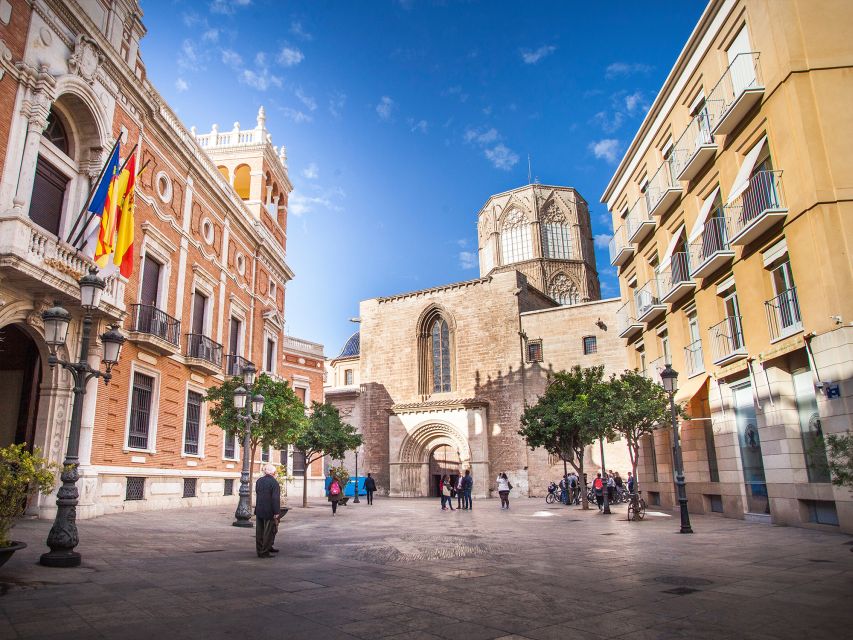
If you only have a slice of time in Valencia, you need the kind of tour that gives you structure. This one does that by anchoring the walk on three UNESCO-recognized cultural points: Lonja de la Seda, the Water Tribunal, and Fallas. The result is that you leave with a mental map, not just a stack of pictures.
I also like that the tour is designed as an essentials route through the historic center. You’re not asked to guess what to prioritize on your own, and the guide helps you understand why these places matter right now, not just centuries ago. The “big picture” storytelling is where the real value lives.
The timing is tight at two hours, but it doesn’t feel rushed. Many people specifically mention a steady pace and minimal walking compared with what you might fear from a “walking tour.” That matters because a city-center day can go sideways fast if you start with sore legs.
You can also read our reviews of more walking tours in Valencia
Meeting at Estación del Norte: the easiest way to begin
The meeting point is the Tourism Hub at Estación del Norte (north station), at the West Tower on the right when facing the station. You’ll meet on the ground floor, Carrer de Xàtiva, 24. The metro station is Xàtiva.
This sounds basic, but it’s the kind of detail that makes your morning smoother. If you arrive by train or metro, you can get straight into the day without a long taxi hunt or a confusing “meet us somewhere downtown” scenario. The fact that it’s clearly tied to a major station is a real quality-of-life upgrade.
Practical tip: if you’re using maps, search for Estación del Norte and then look for the West Tower direction. Being a few minutes early helps you get oriented before the group funnels in.
The UNESCO core: how you connect Lonja, the Tribunal, and Fallas
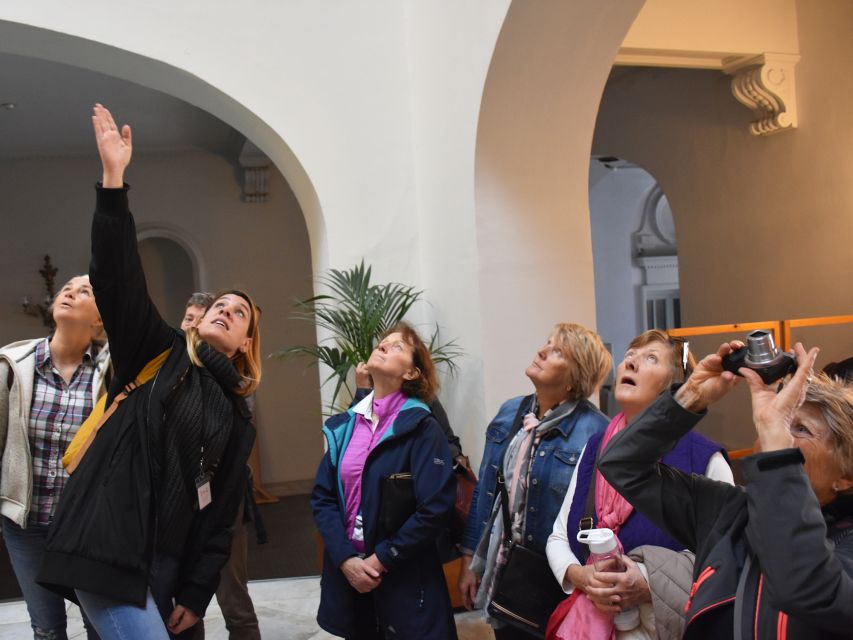
This tour’s main strength is the way it links the UNESCO sites into one story of Valencia. Instead of treating each stop like a separate checklist item, your guide pulls threads across centuries and traditions so the sites feel like parts of one living city.
Lonja de la Seda (Silk Exchange): see the craftsmanship up close
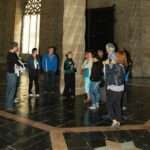
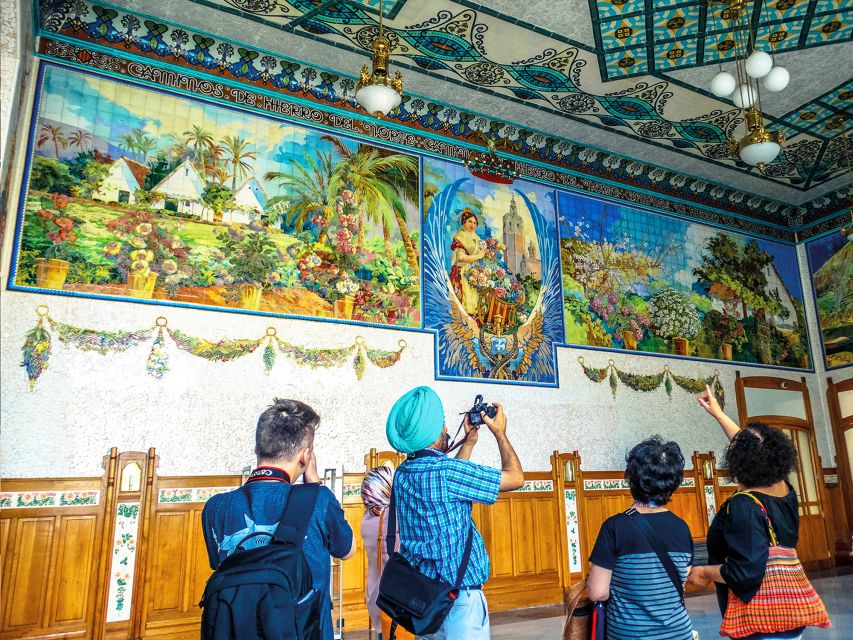
The highlight is entering Lonja de la Seda, the Silk Exchange. You’re not just looking at it from outside. Entrance is included (according to opening), so you can walk through the space and take in the kind of detail you’d easily miss without context.
I like tours where the guide helps you read the building. Here, that means you’ll understand what you’re seeing and why it became important enough for UNESCO recognition. It’s also a strong “anchor stop” because it gives you something physical and memorable in the middle of the walk.
One more practical note: there’s a closure contingency. If an event causes the Silk Exchange to close during your visit, the tour offers a way to handle it—either sending tickets so you can enter later in the afternoon, or exchanging for a same-value ticket to another museum or monument. That’s a meaningful promise when you’re booking ahead.
Water Tribunal: the UNESCO tie-in to Valencia’s everyday life
The Water Tribunal (Tribunal de las Aguas) is one of the UNESCO World Heritage properties highlighted on this walk. While you may not spend as long inside a building for this specific part (the tour is two hours total), the guide frames it as part of Valencia’s identity—past practices that still connect to present-day culture.
I recommend paying attention here even if you think you already know the “big sights.” This stop is a reminder that heritage isn’t only about grand monuments. Sometimes UNESCO recognition points to systems, traditions, and social life—things you can carry with you even after you move on to the next street.





Fallas: ephemeral art, fire, and fireworks
The third UNESCO-focused piece is Fallas, described as an annual festival featuring ephemeral art, fire, and fireworks. Even if you’re visiting outside peak festival dates, you can still understand why Fallas is central to Valencia’s cultural rhythm.
The best part of having a guide on this segment is interpretation. The name alone doesn’t tell you how the festival connects to identity and creativity. On this walk, you’ll get that bridge, so Fallas stops being just a seasonal headline and becomes something you can place in the city’s bigger story.
City Hall and civic Valencia: why that stop matters
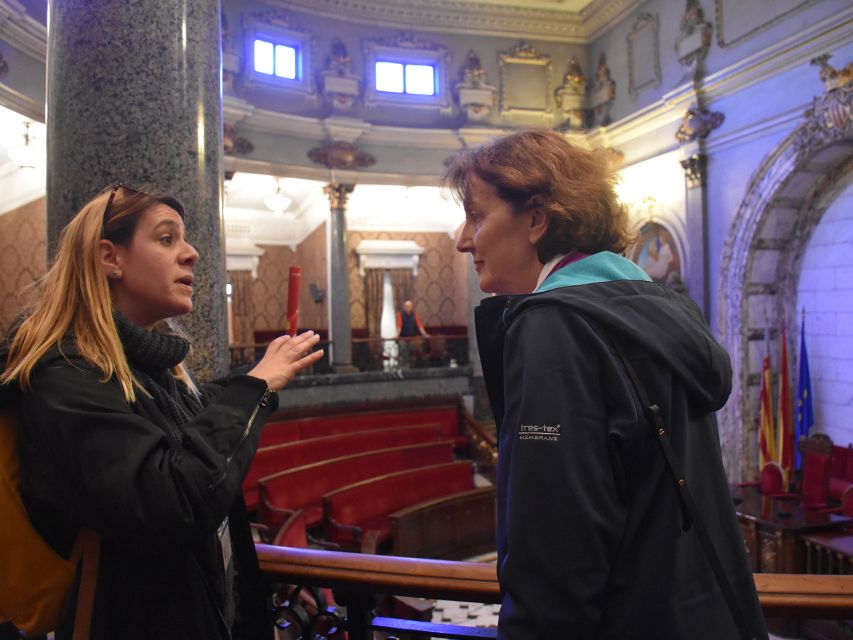
Entrance to the City Hall is included when the monument is open (according to opening). The tour also notes that guided City Hall visits happen on working days, except when an official event takes place.
This matters because civic buildings can feel intimidating or “not for tourists” if you don’t know what to look for. A guided moment inside helps you see it as part of the city’s public life, not just an impressive facade. And since the tour already centers UNESCO sites, adding City Hall gives you a second lens: how Valencia governs, represents itself, and preserves continuity.
If your day falls on a working day, this is one of the best add-ons you can get for the price. It’s an experience you can’t easily replicate on your own without luck and timing.
The flow of the route: what you’ll do between stops
The walk is set up to cover key historic-center highlights in a tight loop. People mention that the tour can include major plazas and central sights, with stops that line up nicely for an “old town orientation” morning.
A few guide-led patterns come up in feedback: you’ll move through the core on foot, pause to learn, and keep moving rather than getting stuck in one spot too long. Some descriptions mention a finish near the cathedral area. Whether you’re a museum person or not, finishing near a major landmark helps your next moves feel easier.
Also, the guide doesn’t just rattle off facts. The tone in many comments is that the guide adapts to the group, answers questions, and keeps the pacing comfortable—important if you want both history and the ability to take in the streets.
If you’re traveling with kids, seniors, or anyone who doesn’t want a long hike, this tour’s described walking distances are a plus. Two hours is short enough that you can still enjoy the afternoon after.
Value check: is $21 really a fair deal?
For $21 per person and a two-hour guided walk, the value comes from the combination of three things:
- Included entrances that you’d otherwise pay separately, especially Lonja de la Seda and City Hall (when open).
- A guide-led narrative that connects UNESCO sites into one coherent story, rather than leaving you to piece it together with an app.
- Time efficiency in Valencia’s historic center, where you can burn hours trying to decide what to see first.
Entrance fees alone can turn a self-guided plan into something that costs close to the tour price once you add up tickets and time. So think of this as paying for structure and interpretation, not just access.
And the price point makes it realistic for a first morning. Many people use it exactly that way: get your bearings fast, then explore deeper on your own with direction.
Who this tour suits best (and who might want something else)

This is a great match if you want:
- A first-timer orientation to Valencia’s old center
- A guided route that focuses on UNESCO highlights
- A two-hour activity that’s short enough to keep your energy for later
It’s also a good fit for people who appreciate a guide who can answer questions and keep the group moving. Multiple guides are praised by name, including Gabor, Maria, Sara, and Sofi, with consistent notes about friendly interaction and clear English.
You might consider a different option if you want a long, slow deep-dive with lots of inside time at each building. This walk is designed to cover essentials. You’ll leave knowing what’s important and why, but you won’t spend half a day in a single site.
Small practical tips to get more from the walk
- Wear comfortable shoes. Even if distances feel light, the old town has uneven spots and standing time at stops.
- Bring your curiosity. The guide pace is meant for questions, not silent listening.
- If the Silk Exchange closes, watch for the offered plan. The tour’s stated backup options help you avoid losing the UNESCO centerpiece.
One nice detail from feedback: guides like Gabor have been credited with offering recommendations for what to do after the tour, including restaurant suggestions such as Armonia for Valencian paella. That kind of next-step help is often what makes a short tour feel like a whole-day advantage.
Should you book this Valencia walking tour?
Yes—if you want an efficient, first-morning route that ties Valencia’s UNESCO sites together and includes real entrances. For $21 and two hours, it’s a strong value because the tour combines access, interpretation, and a route that helps you move confidently through the historic center.
Book it if:
- You want Lonja de la Seda and City Hall included in the plan
- You’d rather let a local guide handle the order and story
- You like walking tours with a manageable pace
Skip it if:
- You prefer spending lots of time inside fewer sites
- You’re visiting on a day where you’re extremely sensitive to closures and can’t handle an afternoon re-entry plan
If you’re planning a tight itinerary, this is one of the easiest ways to start Valencia with context instead of guesswork.